Leksikon fun der Nayer Yidisher Literatur
לעקסיקאָן פֿון דער נײַער ייִדישער ליטעראַטור

Browse All People
By Subjects
By Volume:

search tips
✕
≡

How to Build Your Search:

A. In the below “Advanced Search,” use the drop down parameters under "Scope" - ALL words, ANY words, or EXACT word/phrase. Build the parameters row by row.


OR


B. To define your search using the basic one-line search, in the above textbox:

  • Use a plus to REQUIRE the word:
    +music +theory << must contain the words music and the word theory
  • Use quotes for a phrase:
    song "music theory" << anything with song or phrase "music theory"
    or "levin" < exact match, not levine
  • Use + and quotes to require the phrase:
    +"music theory" << must include phrase
  • Use a minus to EXCLUDE:
    +music -theory << must include music, but not theory
NOTE: When searching in Yiddish letters, this Lexicon should find the word(s) with or without diacritics (e.g., אברהם vs. אַבֿרהם) -- but when searching in other systems, if you can't find it one way, try searching the other way.
⋮⋮
⋮⋮
Search:
Text
Dates
Subjects
Living People ONLY
Women ONLY
Records w/ Images ONLY
Search in:
Scope:
ALL words
ANY words
EXACT word/phrase
א אַ אָ ב בּ בֿ ג ד ה ו װ ױ ז ח ט י יִ ײ ײַ כ כּ ך ל מ ם נ ן ס ע פּ פֿ פ ף צ ץ ק ר ש שׂ תּ ת ־

click for image pop-out

Click, drag, enlarge the below information boxes. (Then click the arrow in upper right to return them to their place & size.)
Pen Names, Aliases, & Alternate Search Spellings

Kushnirov, Aaron

Kushnirovitsh, Arn

קושניראָװיטש, אַהרן

Places
Birth Place
Boyerke (Boyarka), near Kiev
Death Place
Moscow
Images (click an image for slideshow)

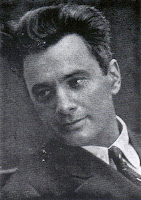
Image from Beider lexicon; see citation.


Credits
  • Chaim Beider Author
  • Dr. Eugene Orenstein Author
  • Joshua Fogel Translation to English & Research
  • Maria Zavorohina Research
  • Tetiana Shyshkina Updates
  • Mark H. David OCR - Optical Character Recognition
  • Also See
    •

    Kushnirov, Arn

    January 7, 1890–September 7, 1949

    59 years

    The author of poetry, stories, and plays, he was born in Boyerke (Boyarka), near Kiev. His surname was shortened from Kushnirovitsh. He received a traditional Jewish education. His father, a timber merchant, died when he was thirteen years old, and he then left religious elementary school and went to work in a Kiev grain shop. In his free time, he turned to self-study.

    From 1914 to 1917, during WWI, he served as a soldier in the Tsarist army and in 1920 joined the Red Army.

    He began writing poetry and stories in 1909, and in 1920 he debuted in print with a poem in the Red Army one-off newspaper Der Kamf Mit der Poylisher Shlyakhte (The Fight with the Polish Nobility), a bulletin of the Kharkov district committee of the Ukrainian Communist Party (Jewish section).

    In 1921 he brought out his fist collection of poetry, Vent (Walls), with a preface by Dovid Hofshteyn. He also placed poems in the Kharkov newspaper Komunist (Communist) and other publications.

    In 1922 he moved to Moscow, where he was one of founders and a member of the editorial board of the journal Shtrom (Current), in which he published poems, and he actively participated in the work of the Moscow circle of Yiddish writers and artists. He later stood with the leftist writers’ group which repudiated the program of Shtrom and planned to publish their own journal Ekran (Screen).

    In 1925 Kushnirov became a member of the Office of the Jewish Section of the Moscow Association of Proletarian Writers (MAPP). In its anthology Oktyabr (October) of 1925, he published his long story “Kinder fun Eyn Folk” (Children of One People), which Soviet Jewish literary criticism considered an important achievement in modern Yiddish proletarian prose.

    Together with Moyshe Litvakov, he led the Moscow group “Yungvald” (Young Forest) in 1926-1927, which brought out a serial of the same name. In 1928 the Yiddish state theater in Minsk performed his drama in verse Hirsh Lekert (Hirsh Lekert), and later for the same theater he translated and adapted Lope de Vega’s Shepsnkval (Fuenteovejuna).

    Over the course of the 1930s, he published numerous poems and stories. He was also a prominent organizer in the field of literature and editor of a series of journals. A poet of the revolutionary Broyz (Brewery), as he titled one of his first collections, he exercised a formidable influence on the development of Soviet Yiddish poetry. He made a major contribution to the popularization of world literature.

    Following the outbreak of the Soviet-German war, he volunteered to join the Red Army and excelled at the front for his heroism and courage as an officer at the rank of captain. He escaped from German captivity and was awarded with several medals.

    In the Russian divisional newspaper Doblest' (Valor), he published poems, stories, and notes. He served on the editorial board of Eynikeyt (Unity) and was editor-in-chief of the Moscow almanac Heymland (Homeland) (1947-1948, seven issues).

    He faced the same fate as all the giants of postwar Soviet Yiddish literature, although he did die a natural death. When the “fight against cosmopolitanism” reached its apex in late 1948, the management of the Soviet Writers’ Association, of which he was a member, demanded that he give a speech at a meeting of writers in Moscow which was to deal with the matter of Yiddish literature. At the dais, he was overcome with a spasmodic inability to speak; he was stricken ill, taken to a hospital, and shortly thereafter died (see Almuni, in Di Goldene Keyt [the Golden Chain] 25 [1956]).

    He died in Moscow.

    In 1956 there was published in Moscow a booklet of Kushnirov’s poetry in Russian translation (Izbrannoe, StiKhi i Poema [Poetry Selections], 179 pp.). Several early poems of his literary legacy (dated 1909-1912 and 1919) were published in Sovetish Heymland (Soviet Homeland) 4 (1962).

    Kushnirov also published plays in the Yiddish press, such as: Hirsh Lekert, fragments of which appeared in Shtern (Star) in Minsk (March 25, 1928), Emes-Zhurnal (Journal of Truth) (1928), Prolit (Proletarian Literature) 16 (1928), and Literarishe Bleter (Literary Newspaper) 16 (1928); and Vays un Shvarts (White and Black), fragments in Emes (Truth) (February 2, 1934) and Farmest (Competition) 5-6 (1934); among others.

    Kushnirov collected, edited, and co-edited (in addition to the items mentioned above): Yugnt (Youth) (Kharkov, 1922); with A. S. Rabinovitsh, Layb-Eygntum-Kinder (Moscow: Central People’s Publishers, USSR, 1926); with Yashe Bronshteyn and Avrom Vevyorke, the journal Shtern (Minsk, 1928); with Yoysef Rabin, Fertsn Oktyabers, Literarishe Zamlung (Fourteen Octobers, Literary Collection) (Moscow: Emes, 1931), 421 pp.; with Y. Rabin, Der Veg fun Farat, Kamf Kegn Bundizm un Menshevizm in der Yidisher Proletarisher Literatur (The Road from Treachery, the Struggle Against Bundism and Menshevism in Yiddish Proletarian Literature) (Moscow-Minsk: Central People’s Publishers, 1932), 150 pp.; Dos Land Darf Kenen Zayne Heldn, Literarishe Zamlung (The Country Should Know its Heroes, Literary Collection) (Moscow: Emes, 1932), 126 pp.; Sovetish (Soviet) (Moscow, 1934-1941); with Elye Gordon and Perets Markish, Komyug, Literarishe-Kinstlerisher Zamlbukh (Communist Youth, Literary-Artistic Anthology) (Moscow: Emes, 1938), 138 pp.; Osher Shvartsman, Zamlung Gevidmet dem Tsvantsik Yortog fun zayn Heldishn Toyt (Osher Shvartsman, Collection Dedicated to the Twentieth Anniversary of his Heroic Death) (Moscow: Emes, 1940), 138 pp.; Roytarmeyer Lider (Red Army Poetry) (Moscow: Emes, 1940), 32 pp.

    Kushnirov translated many works from Russian: Boris Pilnyak, Speranza (Speranza) (Moscow, 1927), 36 pp.; Ben Jonson, Volpone (Volpone) (Minsk, 1935), 131 pp.; Dos Gezang vegn Igors Khayel (The Song of Igor’s Campaign [original: Slovo o Polku Igoreve]) (Moscow: Emes, 1938), 109 pp.; Nikolay Alekseyevich Nekrasov, Saveli, Giber Rusisher, fun der Poeme “vemen in Rusland Lebt Zikh Gut” (Saveli, Russian Hero, from the Poem “who Lives well in Russia?” [original: Savelii, Bogatyrʹ Russkii And Komu Na Rusi Zhitʹ Khorosho]) (Moscow: Emes, 1940), 21 pp.; with Arn Gurshteyn, Oysgeyvelte Verk (Selected Works) of Mikhail Lermontov (Moscow: Emes, 1946), 310 pp.; and Maxim Gorky’s Dos Meydl un der Toyt (The Girl and the Death [original, Devushka i smert']).

    Kushnirov’s writings were represented in: Ezra Korman’s Brenendike Brikn in der Nayer Yidisher Dikhtung fun Ukraine (Burning Bridges in Modern Yiddish Poetry from Ukraine) (Berlin: Idisher Literarisher Farlag, 1923); Dobrushin and Rabin’s Deklamater fun der Sovetisher Yidisher Literatur (Declaimer of Soviet Jewish Literature) (Moscow: Emes, 1934); A Shpigl af a Shteyn, Antologye, Poezye un Proze fun TsVelf FarshniTene Yidishe Shraybers in Ratn-Farband (A Mirror on a Stone, Anthology, Poetry and Prose from Twelve Murdered Jewish Writers in the Soviet Union) (Tel Aviv: Di Goldene Keyt, 1964; Jerusalem: Hebrew University, 1987), 812 pp.; Af Naye vegn (Along New Paths) (New York: Yidishe Kultur Farband, 1949); Moshe Basok, MivḤar Shirat Yidish (Selection of Yiddish poetry) (Tel Aviv: Hakibuts hameuḥad, 1963); Joseph Leftwich, The Golden Peacock: An Anthology of Yiddish Poetry (Cambridge, MA, 1939; New York: T. Yoseloff, 1961); Joseph Milbauer, comp., Poètes Yiddish D’aujourd’hui (Contemporary Yiddish Poets) (Paris: Les Cahiers du Journal des Poètes, 1936); Charles Dobzynski, Anthologie de la Poésie Yiddish, Le Miroir D’un People (Anthology of Yiddish Poetry, the Mirror of a People) (Paris: Gallimard, 1971).

    His works include: Vent, poetry (Kiev: State Publishers, 1921), 37 pp.; Shtam-Azkore (Tribe—memorial for the Dead) (Moscow: Shtrom, 1924), 15 pp. (Stam is a work by Dovid Hofshteyn); Broyz, lider (Brewery, poems) (Minsk: Byelorussian State Publishers, 1928), 86 pp.; Kinder fun Eyn Folk, Dertseylungen (Children of One People, Stories) (Moscow: Shul un Bukh, 1928), 16 pp.; Hirsh Lekert, a play in three acts (Kiev: Kultur-Lige, 1929), 103 pp., (Moscow reissue: Central Publishers, 1930); Di Hintishe Stezhke (The Canine Trail), a story (Kharkov: Central Publishers, 1931), 24 pp.; Toyte Sopke (Dead Hillside), a story (Kharkov-Kiev: Central Publishers, 1932), 16 pp.; Gelungene Operatsye (Successful Operation), a comedy in one act (Kharkov-Kiev: Ukrainian State Publishers for National Minorities, 1934), 23 pp.; Dramen (Plays) (Moscow: Emes, 1935), 232 pp.; Lider (Poems) (Moscow: Emes, 1938), 88 pp.; A Simkhe in Birefeld (A Happy Event in Birefeld), a story (Moscow: Emes, 1938), 11 pp.; Mizrekh un Mayrev, Dramatishe Poemes un Lider (East and West, Dramatic Poems) (Moscow: Emes, 1940), 174 pp.; An Eshelon Roytarmey (A Troop Transport of the Red Army) (Moscow, 1940); Geklibene Verk (Selected Works), poems from the years 1915-1947 (Moscow: Emes, 1947), 303 pp.; Foter-Komandir (Father-Commander), poetry (Moscow: Emes, 1948), 124 pp.; Geklibene Lider (Selected Poems) (Moscow: Sovetski Pisatel, 1975), 205 pp.

    Kushnirov is “one of the most talented representatives of modern Soviet Yiddish lyric poetry of the post-Kiev period,” according to Yekhezkl Dobrushin, “and he grew under the influence of Dovid Hofshteyn on the one hand and Russian imagist poetry of A. Esenin” on the other.

    “This poet comes to us,” wrote Shmuel Gordon, “with long utilized, more confident, compressed experience. Each of Kushnirov’s poems is an accounting of many time-sensations. Totally foreign to him is the incidence of fleeting, precarious moods…. Kushnirov is too psychological to lock himself into the four cubits of imagism, which was an organic system for him, but not a goal.”

    Kushnirov’s “long story Kinder fun Eyn Folk,” noted Nokhum Oyslender, “…was one of the most important events in Yiddish prose in the Soviet Union, designating its transition from stilted schematics to genuine artistic depiction…. To be sure, Kushnirov found in his prose the courage to immerse his fine mastery in the fresh wellsprings of the primitive.”


    Sources: Zalmen Reyzen, Leksikon, vol. 3; Chone Shmeruk, comp., Pirsumim yehudiim babrit-hamoatsot, 1917-1961 (Jewish Publications in the Soviet Union, 1917-1961) (Jerusalem, 1961), see index; Prolit (Kharkov) 3, 7 (1928); Ber Orshanski, in Royte Velt (Kharkov) 9 (1929); Yashe Bronshteyn, Atake (Attack) (Moscow-Minsk, 1931), pp. 136-55; Yekhezkl Dobrushin, In Iberboy, Literarish-Kritishe Artiklen (Under Reconstruction, Literary-Critical Articles) (Moscow, 1932), pp. 39-60; Avrom Vevyorke, In Shturem (Under Assault) (Kharkov-Kiev: Ukrainian State Publishers for National Minorities, 1932), pp. 11-14, 56ff; Shmuel Zhurkovski, Pruvn, a Zamlung Konkrete Kritik (Endeavors, a Collection of Concrete Criticism) (Kharkov, 1934); Nakhmen Mayzil, Noente un Eygene, fun Yankev Dinezon biz Hirsh Glik (Near and One’s Own, from Yankev Dinezon to Hirsch Glick) (New York, 1957), pp. 238-54; Shmuel Niger, Yidishe Shrayber in Sovet-Rusland (Yiddish Writers in Soviet Russia) (New York, 1958), pp. 56-61; Aleksander Pomerants, Di Sovetishe Haruge Malkhes (The [jewish Writers] Murdered by the Soviet Government) (Buenos Aires, 1961); Arn Vergelis, in Sovetish Heymland (Moscow) 8 (1968); Yidisher Teater in Eyrope Tsvishn Beyde Velt-Milkhomes (Yiddish Theater in Europe Between the Two World Wars), vol. 2 (New York, 1971), p. 363; A Shpigl af a Shteyn, Antologye, Poezye un Proze fun TsVelf FarshniTene Yidishe Shraybers in Ratn-Farband (A Mirror on a Stone, Anthology, Poetry and Prose from Twelve Murdered Jewish Writers in the Soviet Union) (Tel Aviv, 1964; Jerusalem: Hebrew University, 1987), pp. 745-47.

    •

    קושניראָװ, אַהרן

    7 יאַנ׳ 1890 – 7 סעפּט׳ 1949

    59 יאָר

    גרבױרן אין באָיערקע, לעבן קיִעװ. —   —

    דיכטער, דערצײלער, דראַמאַטורג. פֿאַרקירצטער נאָמען פֿון קושניראָװיטש. באַקומען אַ טראַדיציאָנעלע ייִדישע דערציִונג. נאָכן פֿאָטערס טױט, צו דרײַצן יאָר, פֿאַרלאָזן דעם חדר און געאַרבעט אין אַ קיִעװער קראָם. אין דער פֿרײַער צײַט זיך פֿאַרנומען מיט אַלײן־בילדונג.

    דיכטער, פּראָזאַיִקער, דראַמאַטורג. געבױרן אין באָיאַרקע, לעבן קיִעװ. באַקומען אַ טראַדיציאָנאַלע ייִדישע דערציִונג. זײַן פֿאָטער, אַ װאַלד־אָנגשטעלטער, איז געשטאָרבן, װען אַהרן איז אַלט געװען 13 יאָר. געאַרבעט אין אַ מעלקראָם אין קיִעװ און זיך פֿאַרנומען מיט זעלבסטבילדונג. 

    בעת דער ערשטער װעלט־מלחמה געדינט אין דער צאַרישער אַרמײ, 1920 זיך אָנגעשלאָסן אין דער רױטער אַרמײ.

    פֿון 1914 ביזן 1917 געדינט אין אַרמײ און אָנטײל גענומען אין דער ערשטער װעלט־מלחמה װי אַ סאָלדאַט. אין 1920 פֿרײַװיליק אַװעק אין דער רויטער אַרמיי.

    אָנגעהױבן שרײַבן לידער און דערצײלונגען אין 1909, האָט קושניראָװ דעביוטירט מיט אַ ליד ערשט אין 1920 אין דער רױטאַר־ײאישער צײַטונג דער קאַמף מיט דער פּױלישער שלאַכטע. ביולעטין פֿון כאַרקאָװער גובערניאַלן קאָמיטעט פֿון דער קאָמוניסטישער פּאַרטײ פֿון אוקראַיִנע (ייִד־סעקציע).

    געדרוקט לידער אין דער כאַרקאָװער צײַטונג קאָמוניסט א״אַ אױסגאַבעס.

    לידער און דערצײלונגען אָנגעהױבן שרײַבן נאָך אין 1909, נאָר דעביוטירט מיט אַ ליד ערשט אין 1920 אין דער כאַרקאָװער אײנמאָליקער אױסגאַבע דער קאַמף מיט דער פּױלישער שליאַכטע.

    אין 1921 איז אין קיִעװ דערשינען זײַן ערשטע זאַמלונג װענט מיט אַ פֿאָרװאָרט פֿון דוד האָפֿשטײן.

    1922 אַריבערגעפֿאַרן קײן מאָסקװע. געװען אַ מיטגליד אין רעדקאָלעגיע פֿונעם זשורנאַל שטראָם. װאו ער האָט פֿאַרעפֿנטלעכט לידער, און זיך אַקטיװ באַטײליקט אין דער אַרבעט פֿונעם מאָסקװער קרײַז ייִדישע שרײַבערס און קינסטלערס. שפּעטער צוגעשטאַנען צו דער לינקער שרײַבער־גרופּע, װאָס האָט אָפּגעװאָרפֿן די פּראָגראַם פֿון שטראָם און האָט פּלאַנירט אַרױסצוגעבן אַן אײגענעם זשורנאַל עקראַן.

    אין 1922 אַריבערגעפֿאָרן קײן מאָסקװע און געװאָרן אײנער פֿון די גרינדער פֿונעם זשורנאַל שטראָם. פֿון דעמאָלט אָן אָנגעהױבן רעגולער צו דרוקן לידער און דערצײלונגען.

    1925 איז קושניראָװ געװען אַ מיטגליד אינעם ביוראָ פֿון דער ייִד־סעקציע בײַ דער מאָסקװער אַסאָציאַציע פֿון פּראָלעטאַרישע שרײַבערס. אין איר זאַמלבוך אַקטיאַבר (1925) האָט ער פּובליקירט זײַן גרעסערע דערצײלונג „קינדער פֿון אײן פֿאָלק“, װאָס די סאָװעטיש־ייִדישע ליטעראַטור־קריטיק האָט פֿאַררעכנט װי אַ װיכטיקע דערגרײכונג אין דער נײַער ייִדישער פּראָלעטאַרישער פּראָזע.

    צוזאַמען מיט משה ליטװאַקאָװן אָנגעפֿירט מיטן מאָסקװער קרײַז „יונגװאַלד“ אין 1926–1927.

    געװען אַ מיטגליד פֿון ביוראָ פֿון דער ייִדישער סעקציע בײַ דער מאָסקװער אַסאָציאַציע פֿון פּראָלעטאַרישע שרײַבער („מאַפּפּ“) און פֿון די אַרױסגעבערס פֿון איר אַלמאַנאַך „אָקטיאַבער“ (1925).

    אין 1926–1927 געשטאַנען מיט משה ליטװאַקאָװן בראָש פֿון מאָסקװער קרײַז יונגװאַלד, װאָס האָט אַרױסגעגעבן דעם זשורנאַל מיט דעם זעלבן נאָמען. אין 1928 רעדאַקטירט ער, צוזאַמען מיט יאַשע בראָנשטײן און אַבֿרהם װעװיאָרקע, דעם מינסקער זשורנאַל שטערן. אין 1928 האָט דער ייִדישער מלוכה־טעאַטער אין מינסק אױפֿגעפֿירט זײַן דראַמע אין פֿערזן הירש לעקערט, שפּעטער האָט ער פֿאַר דעם זעלבן טעאַטער איבערגעזעצט און באַאַרבעט לאָפּע דע װעגאַס שעפּסנקװאַל. אין משך פֿון די 1930ער יאָרן דערשײַנען אײנס נאָכן אַנדערן זײַנע לידער און דערצײלונגען. ער איז אױך אַן אָנגעזעענער אָרגאַניזאַטאָר פֿון דער ליטעראַטור, רעדאַקטאָר פֿון אַ רײ אױסגאַבעס. אַ פּאָעט פֿון רעװאָלוציאָנערן „ברױז“ (אַזױ האָט ער אָנגערופֿן אײנע פֿון זײַנע ערשטע זאַמלונג), האָט ער געהאַט אַ שטאַרקע השפּעה אױף דער אַנטװיקלונג פֿון דער סאָװעטישער ייִדישער דיכטונג. אַ גרױסן צושטײַער האָט ער אַרײַנגעטראָגן אין דער פּאָפּולאַריזאַציע פֿון דער װעלט־ליטעראַטור. ער האָט איבערגעזעצט פֿיל װערק פֿון רוסיש, צוגעגרײט (צוזאַמען מיט אַהרן גורשטײנען) אַ ייִדישע אױסגאַבע פֿון מ. לערמאָנטאָװס אױסגעװײלטע װערק (1946), דאָס מײדל און דער טױט פֿון מ. גאָרקי, פֿראַגמענטן פֿונעם אַלטן רוסישן געזאַנג װעגן איגאָרס חיל א״אַ.

    נאָכן אױסבראָך פֿון דער דײַטשיש־סאָװעטישער מלחמה זיך פֿרײַװיליק אָנגעשלאָסן אין דער רױטער אַרמײ, אױפֿן פֿראָנט זיך אױסגעצײכנט װי אַן אָפֿיציר מיטן ראַנג פֿון קאַפּיטאַן. אַנטלאָפֿן פֿון דײַטשישער געפֿאַנגענשאַפֿט און באַשאָנקען געװאָרן מיט עטלעכע מעדאַלן.

    אין די ערשטע טעג פֿון דער צװײטער װעלט־מלחמה גײט ער פֿרײַװיליק אַװעק אױפֿן פֿראָנט און װײַזט אַרױס העלדנמוט און געװאַגטקײט װי קאָמאַנדיר פֿון אַ מיליטערישן טײל.

    אין דער רוסישער דיװיזיע־צײַטונג דאָבלעסט געדרוקט לידער, דערצײלונגען און פֿאַרצײכענונגען. געװען אין רעדאַקציע־קאָלעגיע פֿון אײניקײט און רעדאַקטאָר פֿון אַלמאַנאַך הײמלאַנד (1947–1948).

    נאָך דער דעמאָביליזאַציע באַװײַזט ער נאָך אַ סך אױפֿטאָן, באַזונדערס װי הױפּט־רעדאַקטאָר פֿונעם זשורנאַל הײמלאַנד (מאָסקװע, 1947– 1948, דערשינען 7 נומערן).

    װעגן קושניראָװס טױט װערט איבערגעגעבן, אַז דער דיכטער איז אױפֿגעפֿאָדערט געװאָרן דורך דער פֿאַרװאַלטונג פֿון סאָװעטישן שרײַבער־פֿאַרבאַנד צו האַלטן אַ רעדע אױף דער פֿאַרזאַמלונג פֿון די סאָװעטישע שרײַבערס, װאָס האָט געדאַרפֿט באַהאַנדלען דעם ענין ייִדישע ליטעראַטור. אױף דער טריבונע האָט ק׳ באַקומען אַ ספּאַזמאַטישע פֿאַרשטומונג, קורץ נאָך דעם איז ער פֿאַרשלאַפֿט געװאָרן און געשטאָרבן („אַלמוני“ אין גאָלדענע קײט, 1956: 25). 

    אױף אים האָט געװאַרט דער זעלבער גורל, װי אױף אַלע אַנדערע גדולים פֿון דער ייִדישער סאָװעטישער ליטעראַטור, נאָר ס‘איז אים געװען באַשערט צו שטאַרבן מיט אַ נאַטירלעכן טױט. װען דער „קאַמף קעגן קאָסמאָפּאָליטיזם“ האָט אין סוף 1948 דערגרײכט דעם העכסטן אָנגלי, האָט די פֿאַרװאַלטונג פֿונעם שרײַבער־פֿאַרבאַנד, אַ מיטגליד פֿון װעלכן דער דיכטער איז געװען, אױפֿגעפֿאָדערט, ער זאָל אַרױסטרעטן מיט אַ רעדע אױף דער פֿאַרזאַמלונג פֿון די מאָסקװער שרײַבער, װאָס האָט געזאָלט באַהאַנדלען דעם ענין פֿון דער ייִדישער ליטעראַטור. קושניראָװ איז אַרױס אױף דער טריבונע און באַקומען אַ ספּאַזמאַלונגאַטישע פֿאַרשטומונג. פֿון דער טריבונע האָט מען אים אָפּגעפֿירט אין שפּיטאָל און קורץ נאָך דעם איז ער געשטאָרבן.

    געשטאָרבן אין מאָסקװע.

    אין 1956 איז אין מאָסקװע אַרױס אַ ביכל ק׳ס לידער אין רוסישער איבערזעצונג. עטלעכע פֿריִאיקע לידער פֿון ק׳ס ליטעראַרישן עזבון (דאַטירט 1909–1912 און 1919) זײַנען פֿאַרעפֿנטלעכט געװאָרן אין סאָװעטיש הײמלאַנד (1962: 4).

    אױף רוסיש: ,Гирш Леккерт מאָסקװע, Австрйиская ночь ;1930, מאָסקװע, Избранное ;1939, מאָסקװע, Стихи ;1956, מאָסקװע, 1964.

    ק׳ האָט פּובליקירט אױך דראַמעס אין דער ייִדישער פּרעסע, װי הירש לעקערט (פֿראַגמענטן אין מינסקער שטערן, מערץ 25, 1928; עמעס־זשורנאַל, 1928; פּראָליט, 1928: 16; ליטעראַרישע בלעטער, 1928: 16); װײַס און שװאַרץ (פֿראַגמענטן אין עמעס, פֿעב׳ 2, 1934; פֿאַרמעסט, 1934: 5–6) א״אַ.

    עטלעכע ק׳ס דראַמעס זײַנען אױפֿגעפֿירט געװאָרן אין ייִדישע טעאַטערס פֿון סאָװעט־רוסלאַנד. — ק׳ האָט צונױפֿגעשטעלט, רעדאַקטירט אָדער מיטרעדאַקטירט (אױסער פֿריִער דערמאָנטע): יוגנט, כאַרקאָװ, 1922; (מיט א.ס. ראַבינאָװיטש) ײַב־אײגנטום־קינדער. מאָסקװע, 1926; (מיט י. בראָנשטײן, אַ. װעװיאָרקע) זש׳ שטערן מינסק, 1928; (מיט י. ראַבין) פֿערצן אָקטיאַבערס. מאָסקװע, 1931; דער װעג פֿון פֿאַראַט (קאַמף קעגן בונדיזם און מענשעװיזם אין דער ייִדישער פּראָלעטאַרישער ליטעראַטור). מאָסקװע־מינסק, 1932; דאָס לאַנד דאַרף קענען זײַנע העלדן. מאָסקװע, 1932; סאַװעטיש. מאָסקװע, 1934–1941; (מיט ע. גאָרדאָן, פּ. מאַרקיש) קאָמיוג. דאָרט, 1938; אָשער שװאַרצמאַנ. דאָרט, 1940. רױטאַרמײער לידער. מאָסקװע, עמעס, 1940. 32 זז׳.

    ק׳ האָט אַ סך איבערגעז׳ פֿון רוסיש: ב.  פּילניאַק, ספּעראַנצאַ. (מאָסקװע, 1927. 36 זז׳); בען דזשאָנסאָן, װאַלפּאָנע. (מינסק, 1935); דאָס געזאַנג װעגן איגאָרס כאַיִל (מאָסקװע, 1938); נ.א. נעקראָסאָװ סװעלי. גיבער רוסישער (דאָרט, 1940); צוגעגרײט (מיט א. גורשטײן) אַ ייִדישע אױסג׳ אױסגעװײלטע װערק פֿון מ. א. לערמאָנטאָװ (דאָרט, 1946). — ק׳ס שאַפֿונגען זײַנען רעפּרעזענטירט אין ע. קאָרמאַנס ברענענדיקע בריקן (בערלין, 1923), דאָברושין־ראָבינס דעקלאַמאַטער (1934), אַ שפּיגל אױף אַ שטײן (תּ״א, 1964), אױף נײַע װעגן. מ. בסוקס מבחר שירה יִדיש.

    J. Leftwich, Anthology (1961); J. Milbauer, Poets Yiddish d'aujoud'hui. Paris. 1936; Ch. Dobzynski, Le miroir d'un peuple. Paris, 1971.

    — װערק: װענט, לידער. קיִעװ, מעלוכע־פֿאַרלאַג, 1921. 37 זז׳; שטאַם־אַזכּאַרע, לידער; שטאַם האָט געשריבן דוד האָפֿשטײן. מאָסקװע, שול און בוך, 1924. 15 זז׳; ברױז, לידער. מינסק, מעלוכע־פֿאַרלאַג. 1928. 86 [2] זז׳; קינדער פֿון אײן פֿאָלק, דערצײלונגען. מאָסקװע, שול און בוך, 1928. 16 זז׳;
    הירש לעקערט, דראַמע אין 3 אַקטן. קיִעװ, קולטור־ליגע, 1929. 103 [1] זז׳, איבערדרוק אין 1930; די הינטישע סטעזשקע, דערצײלונג. כאַרקאָװ, צענטרפֿאַלאַג, 1931. 24 זז׳; טױטע סאָפּקע, דערצײלונג. כאַרקאָװ־קיִעװ, אוקרמעלוכענאַצמינד־פֿאַרלאַג, 1932. 16 זז׳; אַ געלונגענע אָפּעראַציע. קאָמעדיע אינ אײנ אַקט. דאָרט, 1934. 23 זז׳;
    דראַמענ. מאָסקװע, עמעס, 1935. 232 [4] זז׳, צוזאַמען מיט די פּיעסעס דער אורטײל און פֿאָלק. איבעראַרבעטונג פֿון לאָפּע דע װעגאַס שעפּסנקװאָל: לידער. דאָרט, 1938. 88 [4] זז׳; אַ סימכע אין בירעפֿעלד, דערצײלונג. דאָרט, 1938. 11 [1] זז׳; מיזרעכ אונ מײַרעװ דראַמאַטישע פּאָעמעס אונ לידער. 174 [2] זז׳: געקליבענע װערק, אױסגעװײלטע לידער פֿאַר די יאָרן 1915–1947. דאָרט, 1947. 303 זז׳; פֿאָטער־קאָמאַנריר, לידער. דאָרט, 1948. 124 זז׳; געקליבענע לידער. דאָרט, סאָװעטסקי פּיסאַטעל, 1975. 205 זז׳.

    װערק: װענט, קיִעװ, 1921; (צוזאַמען מיט דוד האָפֿשטײן) שטאַם־אַזכּרה, (שטאַם האָט געשריבן ד. האָפֿשטײן), מאָסקװע, 1924; קינדער פֿון אײן פֿאָלק, דערצײלונגען, מאָסקװע, 1928; ברױז, מינסק, 1928; האַװריק, (אַ קינדער־מעשׂה), מאָסקװע, 1928; הירש לעקערט, דראַמע אין 3 אַקטן, קיִעװ, 1929; די הינטישע סטעזשקע, דערצײלונג, כאַרקאָװ, 1931; טױטע סאָפּקע, דערצײלונג, כאַרקאָװ־קיִעװ, 1932; אַ געלונגענע אָפּעראַציע, קאָמעדיע אין אײן אַקט, קיִעװ, 1934; דראַמען, מאָסקװע, 1935; לידער, מאָסקװע, 1938; אַ שׂימחה אין ביראָפֿעלד, דערצײלונג, מאָסקװע, 1938; רױטאַרמײער, מאָסקװע, 1939; האַרטע ערד, דערצײלונגען, מאָסקװע, 1939; אַן עשעלאָן רױטאַרמײער, לידער מיט נאָטן, מוזיק פֿון ריװע באָיאַרסקע, מאָסקװע, 1940; מיזרח און מערבֿ, דראַמאַטישע פּאָעמעס און לידער, מאָסקװע, 1940; געקליבענע װערק, אױסגעװײלטע לידער פֿאַר די יאָרן 1915–1947, מאָסקװע, 1947; פֿאָטער־קאָמאַנדיר, לידער, מאָסקװע, 1948; געקליבענע לידער, מאָסקװע, .1975

    ק׳ איז „אײנער פֿון די טאַלאַנטפֿולסטע פֿאָרשטײערס פֿון דער נײַער ייִדיש־סאָװעטישער ליריק פֿון דעם נאָכקיִעװער פּעריאָד, זיך אַנטװיקלט אונטער דער השפּעה פֿון דוד האָפֿשטײן פֿון אײן זײַט און דער רוסישער אימאַזשיניסטישער פּאָעזיע פֿון אַ יעסענין [פֿון דער אַנדער זײַט].“ (י. דאָברושין).

    „דער דיכטער קומט צו אונדז מיט לאַנג־אױסגעטראָגענע, זיכערערע, געפּרעסטע צײַט־איבערלעבונגען. יעדעס ליד איז בײַ קושניראָװן אַ סך־הכּל פֿון פֿיל צײַט־שפּירונגען. אים איז אין גאַנצן פֿרעמד די צופֿעליקײט פֿון לױפֿנדיקע אומזיכערע שטימונגען ... ק׳ איז צו פֿיל פּסיכאָלאָגיש, כּדי אײַנצושליסן זיך אין די ד׳ אַמות פֿונעם אימאַזשיניזם, װאָס איז בײַ אים אַן אָרגאַנישע סיסטעם, אָבער ניט קײן ציל.“ (ש. גאָרדאָן).

    ק׳ס „גרעסערע דערצײלונג קינדער פֿון אײן פֿאָלק ... איז געװען אײנע פֿון די װיכטיקסטע דערשײַנונגען אין דער ייִדישער פּראָזע אין ראַטן־פֿאַרבאַנד, באַצײכענענדיק איר איבערגאַנג פֿון געקינסטלטער סכעמאַטישקײט צו עכטערער קינסטלערישער שילדערונג ... דװקא אין דער פּראָזע האָט קושניראָװ געפֿונען דעם מוט צו אײַנטונקען זײַן רײַכע מײַסטערשאַפֿט אין די פֿרישע קװאַלן פֿון פּרימיטיװ.“ (נ. אױסלענדער)

    מקורים: ז. רײזען, 3; פּרסומים. אינדעקס; פּראָליט, 1928: 3, 7; ב. אָרשאַנסקי, רױטע װעלט, 1929: 7; י. בראָנשטײן, אַטאַקע. מאָסקװע־מינסק, 1931. זז׳ 136–155; י. דאָברושינ, אינ איבערבוי. מאָסקװע, 1932. זז׳ 39–60; אַ. װעװיאָרקע, אינ שטורעם. כאַרקאָװ, 1932. זז׳ 11–14, 56 א״װ; ס. זשוקאָװסקי, פּרוּװן. כאַרקאָװ־קיִעװ, 1934; נ. מײַזיל, נאָענטע און אײגענע. נ״י, 1957. זז׳ 238–254; ש. ניגער, ייִדישע שרײַבער אין סאָװעט־רוסלאַנד. נ״י, 1958. זז׳ 56–61; סאָװעטישע הרוגי מלכות; אַ. װערגעליס, סאָװעטיש הײמלאַנד. 1968: 8; ייִדישער טעאַטער אין אײראָפּע צװישן בײדע װעלט־מלחמות, ב׳ 2. נ״י, 1971. ז׳ 363; אַ שפּיגל אױף אַ שטײן. תּ״א, 1964, ירושלים, 1987. זז׳ 745–747.

    © 2026 Congress for Jewish Culture 
    Rights are reserved. If you wish to quote small portions of text or data from this Lexicon, you may do so with full attribution to the Congress for Jewish Culture and a link to the specific site, which credits the sources. The Lexicon is perpetually in process; so some elements cited might change as we correct and update information.

    If you notice any errors or omissions in this Lexicon (or if you have any concerns or need help) please email us -- Or feel free to post a Public Comment, form at the end of each person's biography.

    NOTE
    A lot of our English and Yiddish texts and metadata are being worked on: researched, checked, corrected, fixed, formatted, updated, and translated.
    There are many ways you can help.

    Your Comment *
    Reminder - Please state your Source of info in your comment
    You will get an email for verification before your comment is put on the site. We will not make your email address public.