Leksikon fun der Nayer Yidisher Literatur
לעקסיקאָן פֿון דער נײַער ייִדישער ליטעראַטור

Browse All People
By Subjects
By Volume:

search tips
✕
≡

How to Build Your Search:

A. In the below “Advanced Search,” use the drop down parameters under "Scope" - ALL words, ANY words, or EXACT word/phrase. Build the parameters row by row.


OR


B. To define your search using the basic one-line search, in the above textbox:

  • Use a plus to REQUIRE the word:
    +music +theory << must contain the words music and the word theory
  • Use quotes for a phrase:
    song "music theory" << anything with song or phrase "music theory"
    or "levin" < exact match, not levine
  • Use + and quotes to require the phrase:
    +"music theory" << must include phrase
  • Use a minus to EXCLUDE:
    +music -theory << must include music, but not theory
NOTE: When searching in Yiddish letters, this Lexicon should find the word(s) with or without diacritics (e.g., אברהם vs. אַבֿרהם) -- but when searching in other systems, if you can't find it one way, try searching the other way.
⋮⋮
⋮⋮
Search:
Text
Dates
Subjects
Living People ONLY
Women ONLY
Records w/ Images ONLY
Search in:
Scope:
ALL words
ANY words
EXACT word/phrase
א אַ אָ ב בּ בֿ ג ד ה ו װ ױ ז ח ט י יִ ײ ײַ כ כּ ך ל מ ם נ ן ס ע פּ פֿ פ ף צ ץ ק ר ש שׂ תּ ת ־

click for image pop-out

Click, drag, enlarge the below information boxes. (Then click the arrow in upper right to return them to their place & size.)
Pen Names, Aliases, & Alternate Search Spellings

Ran, Lazar

Lazaranu

Raley

Reysh, H.

L-n

Places
Birth Place
Vilna
Death Place
New York
Images (click an image for slideshow)
Subjects
Further Info

The great Yiddish writer, Leyzer Ran, left an unpublished manuscript of his Gulag Memoirs, initially written during his 10 year imprisonment (1936-1946), lost or destroyed in the gulag, rewritten from memory soon after. Ran's descendant, his daughter Faye Ran, needs help to retype it in Yiddish, chapter by chapter, in a computerized format so that the Yiddish book can finally be published. She has also prepared a full English annotated translation which is to be published concurrently. Help Needed: If you can help type the manuscript in Yiddish, contact Ms. Ran at 212-925-5128 or by email for more information. Stipend available. 

Credits
  • Lexicon Committee Author
  • Berl Kagan Author
  • Joshua Fogel Translation to English & Research
  • Shoshke-Rayzl Yuni Updates
  • Mark H. David OCR - Optical Character Recognition
  • Also Cited In
    47
    Astur, Mikhl (1916–2004)
    אַסטור, מיכאל (1916–2004)
    Blis, Dovid (1870–March 8, 1942) (1870–1942)
    בליס (בליזניאַנסקי־האַלפּערין), דור (1870–1942)
    Dubelman, Avrom-Yoysef (1908–1990)
    דובעלמאַן, אַבֿרהם־יוסף (1908–1990)
    Elinovitsh, Dovid
    עלינאָװיטש, דור
    Faynshteyn, Daniel (1901–1944)
    פֿײַנשטײן, דניאל (1901–1944)
    Feygenberg, Basheve
    פײגענבערג, בת־שבע
    Finkel, Yitskhok (1907–1940)
    פֿינקעל, יצחק (1907–1940)
    Gilinski, Motl (1899–1944)
    גילינסקי, מאָטל (1899–1944)
    Gorin-Germanishski, Avrom-Leyb (1910–1936)
    גאָרין־גערמאַנישסקי, אַברהם־לײב (1910–1936)
    Halbershtat, Shmuel (1893–1944)
    האַלבערשטאַט, שמואל (1893–1944)
    Hirsh, Avrom-Mortkhe (1906–)
    הירש, אַבֿרהם־מרדכי (1906–)
    Kahan, Shimshn (1905–1941)
    קאַהאַן, שמשון (1905–1941)
    Kahanovitsh, Mortkhe (1904–1941)
    קאַהאַנאָװיטש, מרדכי (1904–1941)
    Katsherginski Shmarye (1908–1954)
    קאַטשערגינסקי, שמריהו (1908–1954)
    Levin, Isay (1917–)
    לעװין, איסאַי (1917–)
    Leybenzon, Arye
    לײבענזאָן, אריה
    Leyzerovitsh, Yankev (1911–)
    לײזעראָװיטש, יעקבֿ (1911–)
    Mandelkern, Julio (1905–)
    מאַנדעלקערן, כוליאָ (1905–)
    Minkov, Motl (1910–1940)
    מינקאָװ, מאָטל (1910–1940)
    Miranski, Perets (1908–1993)
    מיראַנסקי, פּרץ (1908–1993)
    Mortkhe, Bar-Tana (1909–)
    מרדכי, בר־תּנא (1909–)
    Munits, Khayim (1911–1942)
    מוניץ, חײם (1911–1942)
    Nesaneli, Yankev
    נתנאלי, יעקבֿ
    Pekler, Avrom (1904–1940)
    פּעקלער, אַבֿרהם (1904–1940)
    Porudominski, Hirsh (1913–1941)
    פּאָרודאָמינסקי, הירש (1913–1941)
    Romer, Khayim
    ראָמער, חײם
    Safyan, H. (1898–1930)
    סאַפֿיאַן, ה. (1898–1930)
    Sapir, Abe (1898–1974)
    סאַפּיר, אַבא (1898–1974)
    Sarabski, Benyomen (–1936)
    סאַראַבסקי, בנימין (–1936)
    Shabad, Tsemekh (1864–1935)
    שאַבאַד, צמח (1864–1935)
    Shalit, Moyshe (1885–1941)
    שאַליט, משה (1885–1941)
    Sharafan, Shmarye (1881–1941)
    שאַראַפֿאַן, שמריהו (1881–1941)
    Shik, Zalmen (–1942)
    שיק, זלמן (–1942)
    Slutski, Avrom-Yitskhok (1876–1936)
    סלוצקי, אַבֿרהם־יצחק (1876–1936)
    Smushkovitsh, Khane (1912–1941)
    סמושקאָװיטש, חנה (1912–1941)
    Soloveytshik, Henekh (–1936)
    סאָלאָװײטשיק, הענעך (–1936)
    Solyartshik, Y. (–1939)
    סאָליאַרטשיק, י. (–1939)
    Stotski, Leyb (1902–)
    סטאָצקי, לײב (1902–)
    Terkel, Betsalel (1909–1961)
    טערקעל, בצלאל (1909–1961)
    Valt, Leye (1920–1939)
    װאַלט, לאָה (1920–1939)
    Valt, Reyzl (1914–1939)
    װאַלט, רײזל (1914–1939)
    Vaynshteyn, Avrom-Zelik (1906–)
    װײַנשטײן, אַבֿרהם־זעליק (1906–)
    Vaynshteyn, Yoysef L.
    װײַנשטײן, יוסף ל.
    Verbloyn, Elye (1908–1982)
    װערבליון, עליע (1908–1982)
    Vidutshinski, Yitskhok (1921–)
    װידוטשינסקי, יצחק (1921–)
    Yunin, Volf (1908–1984)
    יונין, װאָלף (1908–1984)
    Zilberblat-Zakhaym, Lyuba (1904–)
    זילבערבלאַט־זאַקהײם, ליובאַ (1904–)
    Also See
    •

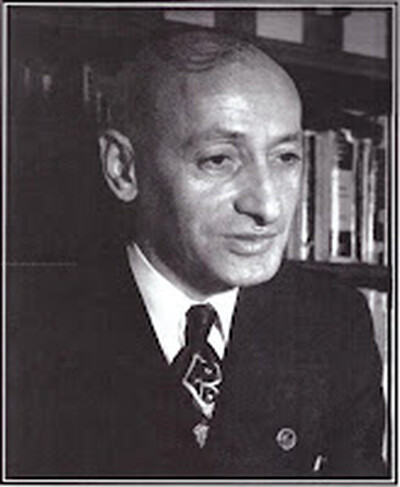
    Ran, Leyzer

    February 7, 1911-mid-August 1995

    84 years

    He was born in Vilna and received a secular Jewish education in public school, high school, and People’s University. He was one of the first research students in Vilna’s YIVO and among its youngest co-workers (1928-1935). He was active in the leftist movement.

    In 1936 he received a stipend from Moscw University for National Minorities (“Mayrevke”); but immediately upon crossing the border, he and his wife were arrested (part of the mass arrests in the Soviet Union) -- falsely accused of being spies. They were deported to prisons and Gulag camps, including Soviet camps in exile, until their release in 1946.

    Over the years 1947-1953, he lived in Havana, Cuba, where he served as administrator of the ORT (Association for the Promotion of Skilled Trades) trade school and the Jewish center in Havana.

    He was director and contributor to the Vilna YIVO archives in New York (1953-1958) and later worked as a typesetter.

    In New York he organized the association Nusekh Vilne (Vilna Style). He turned his attention to collecting and publishing materials concerning Yiddish literature and Yiddish theater and especially Jewish Vilna.

    He officially debuted in print in 1928 with a reportage piece in

    Vilner Tog (Vilna Day)

    But several children’s poems of his were already published in 1920 in

    Grininke Beymelekh (Little Green Trees).

    As one of the leaders of Bin (Bee), the Jewish socialist scout movement in Vilna, he co-edited its

    Bin-Bletlekh (Bee Leaflets) (1929-1930) and

    its journal Moyern (Walls) (4 issues, 1934-1935).

    He also brought out (using the name Leyzer) the pamphlets:

    Bin, 18 pp. and

    Yidishizm (Yiddishism), 16 pp.

    — both through the Bin-library (1934)

    He also wrote songs (text and music) for Bin and for the theaters Davke (Necessarily) and Maidim. Some of these were published:

    Hent un Tsigl (Hands and [Bricks]), musical leitmotif (Vilna, 1934), hectographically produced under the pen name Lazaranu;

    Zingendik, Lider far Yugent (Singing, Songs for Youth) (Vilna, 1936), 2 booklets, 16 pp. each, using the pen name Raley.

    He wrote and produced scout plays:

    Bay Nakht Afn Vinter-Lager (In Winter Camp at Night),

    Vi in Lager iz Geven (How it Was in Camp), and

    Gerotfreyd (Harvest fun),

    among others.

    He translated for theatrical ensembles:

    Ridley, A Tsug, a Geshpenst (A Train, a Specter) (1929)" is a 1929 Yiddish translation or adaptation of Arnold Ridley's famous 1925 thriller play, The Ghost Train. The play follows passengers trapped in a haunted station, often associated with translations by figures like Leyzer Ran;

    Wolfie (?), Ikh Hob Bazigt dem Krizis (I Have Subdued the Crisis) (1935);

    Mahali István, Ikh bin 26 Yor Alt (I’m Twenty-Six Years Old) (1935/1936).

    From translated Soviet humorous sketches, he dramatized eighteen scenes for

    Tsu Gast in Khotshitsa-Kolitsa (A Guest in Khochitsa-Kolitsa).

    He contributed to the leftist weeklies:

    Kurts (Short),

    Nayes (News),

    Vokh (Week), and

    Tsaytung (Newspaper);

    and he co-edited:

    the scholarly journal Etyudn (Studies) (1934-1935) and

    Oyfboy (Construction) (November 1934-January 1935).

    After WWII, he edited the anthology

    Bleter fun Vilne (Pages from Vilna) (Lodz: Vilner farband, 1947), 80 pp.

    In Havana he published:

    ORT Bulyetinen (Ort Bulletins) (1948-1949);

    ORT-Yoyvl Almanakh (ORT Anniversay Almanac) (1950), 64 double pages;

    and he edited Yiddish-Spanish anthologies:

    Vegn Yidishe Kinder-Dertsiung in Kuba (On Jewish Children’s Education in Cuba) (1947), 20 pp.;

    Hemshekh af Kubaner Erd (Continuity on Cuban Soil) (1951), 172 double pages;

    Di Legende Perets (The Legend of Perets) (1952), 52 pp. (Yiddish) and 24 pp. (Spanish), and a supplement for school children (1952), 16 pp.;

    Zog Nisht Keyn Mol, Yizker-Shrift Tsum…Varshever Geto (Don’t Say Never, Memorial Work for the Warsaw Ghetto) (1952), 68 pp.

    He compiled:

    Yoyvl Zamlung fun der Ley-Kase Baym Yidishn Froyen Farayn in Kuba, 1937-1952 (Anniversary Collection for the Loan Office of the Jewish Women’s Association in Cuba, 1937-1952) (Havana, 1952), 104 pp.; and

    Mit der Perets-Fon, Mit der Shvartsman-Traditsye, Yidish-Sovetishe Shrayber in Gezang un Gerangl far Folk un Heymland, Mitn Fon, Mitn Biks, Mit Layb un Lebn, Kredos-Antologye (With the Perets Banner and the Schwartzman Tradition, Soviet Yiddish Writers in Song and Struggle for the People and Homeland, with Banner, with Gun, with Life and Soul, Kredos Anthology) (New York: Workmen’s Circle, 1982), 66 pp.

    He also contributed to local Yiddish publications in Cuba and to Zalmen Zilbertsavyg’s

    Leksikon fun Yidishn Teater (Lexicon of the Yiddish Theater), and

    Leksikon fun der Nayer Yidisher Literatur (vol. 1-8). New York: Congress for Jewish Culture, Marstin Press, 1956-1981.

    He served as secretary to the editorial board of

    Algemeyne Entsiklopedye (General Encyclopedia), “Yidn (Jews),” vol. 4-5.

    Portions of Ran’s monograph on Jews in Cuba were published in the collection:

    Hemshekh af Kubaner Erd and

    Algemeyne Entsiklopedye (General Encyclopedia), “Yidn,” vol. 4 (New York, 1957), pp. 421-35.

    For the second (unpublished) volume of Arkhiv fun Yidishn Teater (Archive of the Yiddish Theater), he submitted a work entitled

    “Yidn-Daytsh Teater in Odes (1862-1872)” (Judeo-German Theater in Odessa, 1862-1872).

    A piece of a work being prepared for the publisher under the title

    Tsu der Geshikhte fun Yidish Teater in Vilne (On the History of Yiddish Theater in Vilna)

    was published in

    Yidish Teater in Eyrope Tsvishn Beyde Velt-Milkhomes (Yiddish Theater in Europe Between the Two World Wars), vol. 1 (New York, 1968), pp. 228-64,

    and a chapter on Hebrew theater in Vilna appeared in

    Haḥinukh vehatarbut haivrit beeyropa ben shete milḥamot haolam (Hebrew Education and Culture in Europe Between the Two World Wars) (New York, 1957).

    Together with Menakhem Flakser and Alexander Pomerants, he compiled for YIVO a bibliography of Yiddish literature in Soviet Russia, 1917-1948.

    In manuscript he prepared a geographical index of Jewish communities in Europe, some of which material appeared in

    Der Groyser Yidisher Verterbukh (The Great Yiddish Dictionary) (New York: 1961-).

    He published a volume of

    Lider (Poems) by Leyzer Volf, with a preface by H. Leivick and an introduction and bibliography (New York, 1955), 204 pp.

    He prepared lists of the murdered Soviet Jewish writers, artists, and painters, a part of which was published in

    Folks-Mishpet (People’s Judgment) (New York, 1956).

    Ran discovered four variants of

    Y. L. Perets’s Monish and

    Kise Shloyme (Solomon’s Throne)

    —published in YIVO-Bleter (YIVO Monthly Bulletin), special Perets issue (1937).

    In addition to the aforementioned works, he published:

    Ash fun Yerusholáyim D’líte (Ashes from Jerusalem of Lithuania), essays (New York: Vilner Farlag, 1959), 366 pp.;

    Fun Elye Bokher biz Hirsh Glik, Kartn-Leksikon (From Elye Bokher to Hirsh Glik, a [Trading] Card Biographical Dictionary), covering 400 years of Yiddish literature (New York, 1963), 100 cards and a forty-page pamphlet;

    Hirsh Glik’s Der Himn fun Yidishn Vidershtand (The Hymn of the Jewish Resistance), in eleven languages with music (New York, 1972), 16 pp.;

    Yerusholaim Delite, Ilustrirt un Dokumentirt (Jerusalem of Lithuania, Illustrated and Documented), a thematic guide for 500 years of Jewish life and creativity in Vilna, with explanations in Yiddish, Hebrew, English, and Russian, and a multi-lingual, topical bibliography [in vol. 3] (New York, 1974-1975), 3 vols., 1000 pp. in album format.

    Among his pen names: H. Reysh, Raley, Lazaranu, Leyzer, and L-n.

    He died in New York.

    A collection of his documents was donated to the Leyzer Ran Archive at Harvard University. Click here for a PDF description of the archive -- or click here to view the detailed online catalog of his archive.

    Sources: Motl Minkov, Yoyvl-Heft fun der Yinglshul Mefitse Haskole (Jubilee Volume from the Mefitse Haskole Boys’ School) (Vilna, 1933); Y. Varshavski [Bashevis], in Forverts (New York) (June 10, 1950; July 8, 1962); Y. Leshtshinski, in Aktuele Yedies fun Yidishn Lebn (New York) 4 (1951); Khayim Shoshkes, in Tog (New York) (April 5, 1953); Shmuel Niger, in Tog (April 7, 1955); Yankev Glatshteyn, in Idisher Kemfer (New York) (November 16, 1956); B. Ts. Goldberg, in Tog (April 5, 1957); Mark Dvorshetski, in Di Goldene Keyt (Tel Aviv) 38 (1960); Meylekh Ravitsh, in Tsukunft (New York) (March 1961); Khayim Liberman, in Forverts (July 19, 1961); Zalmen Zilbertsvayg, in Forverts (June 8, 1962); Avrom Shulman, in Forverts (December 8, 1974); Yudel Mark, in Di Goldene Keyt 86 (1975); Sol Liptzin, in Jewish Bookland (New York) (May 1963); Lucy Dawidowicz, in Commentary (New York) (October 1975); D. Levin, in Soviet Jewish Affairs (London) (1976), vol. 6.1.; Faye Ran, daughter.

    •

    ראַן, לײזער

    7טן פֿעב׳ 1911 – 13טן אױג׳ 1995

    84 יאָר

    געבױרן אין װילנע. — באַקומען ייִדיש־װעלטלעכע דערציאונג אין פֿאָלקשול, גימנאַזיע און פֿאָלקס־אוניװערסיטעט. אײנער פֿון די ערשטע אַספּיראַנטן אין װילנער ייִװאָ און פֿון זײַנע ייִנגסטע מיטאַרבעטערס (1928–1935). אַקטיװ אין דער לינקער באַװעגונג.

    1936 באַקומען סטיפּענדיע פֿון מאָסקװער אוניװערסיטעט („מײַרעװקע“), אַזױ באַלד װי אַריבערפֿאָרן דעם גרעניץ איז ער מיט זײַן פֿרױ אָנגעקומען צו די מאַסן־אַרעסטן אין סאָװעט־רוסלאַנ – פֿאַלש באַשולדיקט אין שפּיאָנירן, אַרעסטירט געװאָרן און פֿאַרשיקט אין תּפֿיסות און לאַגערן ביז 1946.

    1947–1953 אין האַװאַנאַ, װאו געװען פֿאַרװאַלטער פֿון דער „אָרט“־פֿאַכשול און פֿון ייִדישן צענטער אין האַװאַנאַ.

    1953–1958 אָנפֿירער און מיטאַרבעטער פֿון װילנער ייִװאָ־אַרכיװ אין נ״י, שפּעטער געאַרבעט װי אַ זעצער. אין נ״י אָרגאַניזירט דעם פֿאַרבאַנד „נוסח װילנע“. — פֿאַרנעמט זיך מיט קלײַבן און פֿאָרשן מאַטעריאַלן װעגן ייִדישער ליטעראַטור און ייִדישן טעאַטער, גאָר באַזונדערס װעגן ייִדישן װילנע.

    1928 דעביוטירט מיט רעפּאָרטאַזשן אין

    װילנער טאָג

    אָבער אַ פּאָר קינדערלידלעך שױן 1920 פֿאַרעפֿנטלעכט אין

    גרינינקע בײמעלעך).

    װי אײנער פֿון די אָנפֿירערס פֿון דער ייִדישיסטיש־סאָציאַליסטישער סקױטן־באַװעגונג אין װילנע „בין“, מיטרעד׳ אירע

    בין־בלעטלעך (1929–1930) און

    זשורנאַל מױערן (1934–1935, 4 נומ׳);

    אַרױסגעגעבן די בראָשורן (א״פּ לײזער)

    בין, 18 זז; און

    ייִדישיזם, 16 זז.

    — בײדע אין בין־ביבליאָטעק, 1934.

    געשריבן לידער (טעקסטן און מוזיק) פֿאַר דער „בין“, טעאַטערס „דאַװקע“ און „מײַדים“. טײל זײַנען פּובליקירט געװאָרן:

    הענט און ציגל, מוזיקאַלישער ליטמאָנטאַזש. דאָרטן, 1934 (העקטאָגראַפֿירט, א״פּ לאַזאַראַנו);

    זינגענדיק, װילנע, 1936. 2 העפֿטן צו 16 זז׳ (א״פּ ראַלײ).

    געשריבן און אױפֿגעפֿירט סקױטישע פּיעסן:

    בײַ נאַכט אױפֿן װינטער־לאַגער,

    װי אין לאַגער איז געװען, און

    געראָטפֿרײד

    א״אַ.

    איבערגעז׳ פֿאַר טעאַטער־אַנסאַמבלען:

    רידלעי, אַ צוג — אַ געשפּענסט (1929) איז אַן אַדאַפּטירונג פֿון אַרנאָלד רידעיס באַרימטער 1925 שפּאַנענדיקער פּיעסע, The Ghost Train. די פּיעסע פֿאָלגט פּאַסאַזשירן אין אַ שדים־באַן, אָפֿט איבערגעזעצט...;

    װאָלפֿי, איך האָב באַזיגט דעם קריזיס (1935);

    מיהאַלי איסטאַװאַן, איך בין 26 יאָר אַלט (1935/36).

    פֿון איבערגעז׳ סאָװעטישע הומאָרעסקעס אינסצעניזירט אַ רעװי אין 18 בילדער:

    צו גאַסט אין כאָטשיצאַ־קאָליצאַ.

    מיטגעאַרבעט אין די לינקע װ״בל

    קורץ,

    נײַס,

    װאָך,

    צײַטונג

    און מיטרעד׳

    װיסנשאַפֿטלעכן זשורנאַל עטיודן (1934–1935), און

    אױפֿבױ (נאָװ׳ 1934 – יאַנ׳ 1935).

    נאָך דער מלחמה רעד׳ זמ״ב

    בלעטער װעגן װילנע (לאָדזש, װילנער פֿאַרבאַנד, 1947. 80, XLV זז׳).

    אין האַװאַנאַ אַרױסגעגעבן:

    „אָרט״־בולעטינען (1948–1949);

    אָרט־יובל אַלמאַנאַך (1950, 64 טאָפּלזײַטן);

    רעד׳ ייִדיש־שפּאַנישע זאַמלביכער:

    װעגן ייִדישער קינדער־דערציאװג אין קובאַ (1947, 20 זז׳);

    המשך אױף קובאַנער ערד (1951, 172 טאָפּלזײַטן);

    די לעגענדע פּרץ (1952. 52 זז׳ ייִדיש, 24 שפּאַניש, און אַ בײַלאַגע פֿאַר שולקינדער, 16 זז׳);

    זאָג נישט קײן טאָל ... יזכּור־שריפֿט (1952. 68 זז׳).

    צונױפֿגעשטעלט

    דאָס יובל־זאַמלבוך פֿון דער לײַ־קאַסע בײַם פֿרױען־פֿאַראײן (1952, 104 זז׳).

    מיט דער פּרץ־פֿאָן, מיט דער שװאַרצמאַן־טראַדיציע. ייִדיש־סאָװעטישע שרײבער... קרעדאָס־אַנטאָלאָגיע. נ״י, אַרבעטער־רינג, 1982. 66 זז׳.

    מיטגעאַרבעט אין די אָרטיקע ייִדישע אױסג׳. — מיטאַרבעטער פֿון ז. זילבערצװײַגס

    לעקסיקאַן פֿון ייִדישן טעאַטער, און

    פֿון לעקסיקאָן פֿון דער נײַער יִדישער ליטעראַטור (בב׳ 1–8). נ״י: אַלװעלטלעכער ייִדישער קולטור־קאָנגרעס, מאַרסטין פּרעסע, 1956–1981.

    געװען רעדאַקציע־סעקרעטאַר פֿון

    אַלגעמײנע ענציקלאָפּעדיע, ייִדן. בב׳ ד–ה.

    טײלן פֿון ר׳ס אַ מאָנאָגראַפֿיע װעגן ייִדישן לעבן אין קובאַ זײַנען געדרוקט אין זמ״ב

    המשך אױף קובאַנער ערד און

    אין אַלגעמײנע ענציקלאָפּעדיע (ייִדן, ה׳. נ״י, 1957. זז׳ 421–435).

    פֿאַרן צװײטן (ניט־אַרױסגעגעבענעם) באַנד פֿון אַרכיװ פֿון ייִדישן טעאַטער צוגעשטעלט די אַרבעט

    „ייִדן־דײַטש טעאַטער אין אַדעס (1862–1872).“

    אַ טײל פֿון אַ צוגעגרײט בוך צום דרוק א״ט

    צו דער געשיכטע פֿון ייִדיש טעאַטער אין װילנע

    איז פֿאַרעפֿנטלעכט געװאָרן אין

    ייִדיש טעאַטער אין אײראָפּע צװישן בײדע װעלט־מלחמות. ב׳ 1 (נ״י, 1968. זז׳ 228–264)

    און אַ קאַפּיטל װעגן העברעאישן טעאַטער אין װילנע אין

    החינוך והתּרבות העברית באירופּה בין שתּי מלחמות העולם (נ״י, 1957).

    צוזאַמען מיט מ. פֿלאַקסער און אַ. פּאָמעראַנץ צונױפֿגעשטעלט פֿאַרן ייִװאָ אַ ביבליאָגראַפֿיע פֿון דער ייִדישער ליטעראַטור אין סאָװעט־רוסלאַנד, 1917–1948.

    האָט אין מאַנוסקריפּט אַ געאָגראַפֿישן אינדעקס פֿון ייִדישע ייִשובים אין אײראָפּע, טײל מאַטעריאַל אַרײַן אין דער גרױסער ייִדישער װערטערבוך (נ״י, 1961–).

    אַרױסגעגעבן אַ ב׳

    לידער פֿון לײזער װאָלף, מיט הקדמה פֿון ה. לײװיק און אַרײַנפֿירן און ביבליאָגראַפֿיע (נ״י, 1955). 205 זז.

    צונױפֿגעשטעלט רשימות פֿון די אומגעבראַכטע ייִדיש־סאָװעטישע שרײַבערס, אַרטיסטן און מאָלערס (טײל אַרײַן אין

    פֿאַלקס־משפּט (נ״י, 1956).

    ר׳ האָט אָפּגעפֿונען די פֿיר װאַריאַנטן פֿון

    י.ל. פּרצעס מאָניש און

    כּסא שלמה

    — ייִװאָ־בלעטער, פּרץ־נומער, 1937.

    אױסער די דערמאָנטע שריפֿטן אַרױסגעגעבן:

    אַש פֿון ירושלים דליטאַ. עסײען. נ״י, װילנער פֿאַרלאַג [פֿון ל. ראַן], 1959. 366 זז׳;

    פֿון אליהו בחור ביז הירש גליק. קאַרטן־לעקסיקאָן פֿאַר 400 יאָר ייִדישע ליטעראַטור. דאָרטן, 1963. 100 קאַרטן און בראָשור 40 זז׳;

    ה. גליק, דער הימן פֿון יִדישן װידערשטאַנד, אין 11 שפּראַכן מיט מוזיק. דאָרטן, 1972. 16 זז׳;

    ירושלים דליטאַ, אילוסטרירט און דאָקומענטירט ... אַ טעמאַטישער װעגװײַזער ... פֿאַר 500 יאָר ייִדיש לעבן און שאַפֿן אין װילנע ... מיט דערקלערונגען ... אין ייִדיש, עברית, ענגליש און רוסיש ... און אַ פֿילשפּראַכיקע טעמאַטישע ביבליאָגראַפֿיע [אין ב׳ 3]. נ״י, 1974–1975. 3 בב׳ (1,000 זז׳ אַלבאָם־פֿאָרמאַט).

    פּסעװד׳ — ה. רײש, ראַלײ, לאַזאַראַנו, לײזער, ל־ן א״אַ.

    ער איז געשטאָרבן אין נ״י.

    אַ זאַמלונג פֿון זײַנע דאָקומענטן איז געשאָנקען געװאָרן דעם לײזער־ראַן־אַרכיװ בײַ דער האַרװאַרדער אוניװערסיטעט. דריקט דאָ צו באַקומען אַ PDF־באַשרײַבונג פֿונעם אַרכיװ — אָדער דריקט דאָ צו זען די אָנלײַנעם קאַטאַלאָג פֿון זײַן אַרכיװ.

    מקורים: מ. מינקאָװ, יובל־העפֿט „מפֿיצי־השׂכּלה“. װילנע, 1933; י. װאַרשאַװסקי [י. באַשעװיס], פֿאָרװערטס, 10טן יוני, 1950 און יולי 8, 1962; י. לעשטשינסקי, אַקטועלע ידיעות װעגן ייִדישן לעבן, נ״י, 1951: 4; ח. שאָשקעס, טאָג, אַפּריל 5, 1953; ש. ניגער, טאָג, אַפּריל 7, 1955; י. גלאַטשטײן, אידישער קעמפֿער, נ״י, נאָװ׳ 16, 1956; ב.צ. גאָלדבערג, טאָג, אַפּריל 5, 1957; מ. דװאָרזשעצקי, גאָלדענע קײט, תּ״א, 1960: 38; מ. ראַװיטש, צוקונפֿט, נ״י, מערץ 1961; ח. ליבערמאַן, פֿאָרוערטס, יולי 19, 1961; ז. זילבערצװײַג, פֿאָרװערטס, יוני 8, 1962; אַברהם שולמאַן, פֿאָרװערטס, דעצ׳ 8, 1974; יודל מאַרק, גאָלדענע קײט, תּ״א, 1975: 86. S. Liptzin, Jewish Bookland, N.Y., May 1963; L. Davidowiez, Commentary, N.Y., Oct. 1975; D. Levin, Soviet Jewish Affairs, London, 1976, vol. 6:1; פֿײגעלע ראַן, טאָכטער.

    © 2026 Congress for Jewish Culture 
    Rights are reserved. If you wish to quote small portions of text or data from this Lexicon, you may do so with full attribution to the Congress for Jewish Culture and a link to the specific site, which credits the sources. The Lexicon is perpetually in process; so some elements cited might change as we correct and update information.

    If you notice any errors or omissions in this Lexicon (or if you have any concerns or need help) please email us -- Or feel free to post a Public Comment, form at the end of each person's biography.

    NOTE
    A lot of our English and Yiddish texts and metadata are being worked on: researched, checked, corrected, fixed, formatted, updated, and translated.
    There are many ways you can help.

    Your Comment *
    Reminder - Please state your Source of info in your comment
    You will get an email for verification before your comment is put on the site. We will not make your email address public.