Leksikon fun der Nayer Yidisher Literatur
לעקסיקאָן פֿון דער נײַער ייִדישער ליטעראַטור

Browse All People
By Subjects
By Volume:

search tips
✕
≡

How to Build Your Search:

A. In the below “Advanced Search,” use the drop down parameters under "Scope" - ALL words, ANY words, or EXACT word/phrase. Build the parameters row by row.


OR


B. To define your search using the basic one-line search, in the above textbox:

  • Use a plus to REQUIRE the word:
    +music +theory << must contain the words music and the word theory
  • Use quotes for a phrase:
    song "music theory" << anything with song or phrase "music theory"
    or "levin" < exact match, not levine
  • Use + and quotes to require the phrase:
    +"music theory" << must include phrase
  • Use a minus to EXCLUDE:
    +music -theory << must include music, but not theory
NOTE: When searching in Yiddish letters, this Lexicon should find the word(s) with or without diacritics (e.g., אברהם vs. אַבֿרהם) -- but when searching in other systems, if you can't find it one way, try searching the other way.
⋮⋮
⋮⋮
Search:
Text
Dates
Subjects
Living People ONLY
Women ONLY
Records w/ Images ONLY
Search in:
Scope:
ALL words
ANY words
EXACT word/phrase
א אַ אָ ב בּ בֿ ג ד ה ו װ ױ ז ח ט י יִ ײ ײַ כ כּ ך ל מ ם נ ן ס ע פּ פֿ פ ף צ ץ ק ר ש שׂ תּ ת ־

click for image pop-out

Click, drag, enlarge the below information boxes. (Then click the arrow in upper right to return them to their place & size.)
Pen Names, Aliases, & Alternate Search Spellings

Bialik

Places
Birth Place
Radi, Volhynia, Ukraine
Death Place
Vienna
Images (click an image for slideshow)


Credits
  • Berl Kagan Author
  • B. Tshubinski Author
  • Joshua Fogel Translation to English & Research
  • Mirjam Gutschow Further Research & Updates
  • Maria Zavorohina Research
  • Mark H. David OCR - Optical Character Recognition
  • Also Mentioned In
    122
    Adler, Shmuel (1878–1948)
    אַדלער, שמואל (1878–1948)
    Altshuler, Yitskhok (1888–)
    אַלטשולער, יצחק (1888–)
    An-Sky, Sh. (1863–1920)
    אַנ־סקי, ש. (1863–1920)
    Bakon, Yitskhok (1919–2013)
    באַקאָן, יצחק (1919–2013)
    Barukh, Yitskhok-Leyb (1874–1953)
    ברוך, יצהק־לײב (1874–1953)
    Ben-Gurion, David (1886–1973)
    בן־גוריון, דוד (יוסף) (1886–1973)
    Berkovitsh, Yitskhok-Dov (1885–1967)
    בערקאָװיטש, יצחק־דוב (1885–1967)
    Biletski, Yisroel-Khayim (1914–1992)
    בילעצקי, ישׂראל־חײם (1914–1992)
    Brainin, Reuven (1862–1939)
    ברײנין, ראובֿן (1862–1939)
    Bridzher, Dovid (1907–1967)
    ברידזשער, דוד (1907–1967)
    Brunov, Platon (1859–1924)
    ברונאָוו, פּלאַטאָן (1859–1924)
    Davidzon, Mikhl (1883–1941)
    דאַװידזאָן, מיכל (1883–1941)
    Dayen, Leyb (1891–1947)
    דײן, לײב (1891–1947)
    Dinezon, Yankev (1852–1919)
    דינעזאָן, יעקבֿ (1852–1919)
    Druyanov, Alter (1870–1938)
    דרױאַנאָװ, אַלטער (1870–1938)
    Druzdov, Nakhmen (1874–1963)
    דרוזדובֿ, נחמן (1874–1963)
    Dubnov-Erlikh, Sofye (1885–1986)
    דובנאָװ־ערליך, סאָפֿיע (1885–1986)
    Epshteyn, Avrom (1879–1952)
    עפּשטײן, אַבֿרהם (1879–1952)
    Erlikh, Pinkhes (1917–2001)
    ערליך, פּנחס (1917–2001)
    Fahn, Ruvn (1878–1939)
    פֿאהן, ראובֿן (1878–1939)
    Falk, Yoysef (1889–1968)
    פֿאלק, יוסף (1889–1968)
    Farber, Khayim-Yitskhok (1889–)
    פֿאַרבער, חײם־יצחק (1889–)
    Faynberg, Leyb (1897–1969)
    פֿײַנבערג, לײב (1897–1969)
    Fikhman, Yankev (1881–1958)
    פֿיכמאַן, יעקב (1881–1958)
    Finkelshteyn, Z.F. (1886–1959)
    פֿינקעלשטײן, ז. פֿ. (1886–1959)
    Frenkel, Yirmyehu (1885–1948)
    פֿרענקעל, ירמיהו (1885–1948)
    Frishberg, Yisroel-Zev (1874–1955)
    פֿרישבערג, ישׂראל־זאבֿ (1874–1955)
    Frishman, Dovid (1860–1922)
    פֿרישמאַן, דוד (1860–1922)
    Frug, Shimen-Shmuel (1860–1916)
    פֿרוג, שמעון־שמואל (1860–1916)
    Gafni, M. (1883–)
    גפני, מ. (1883–)
    Ginzburg, Shimen (1890–1944)
    גינזבורג, שמעון (1890–1944)
    Goldenberg, Shimen (1910–1941)
    גאָלדענבערג, שמעון (1910–1941)
    Goldenburg, Shimen (1908–1942)
    גאָלדענבערג, שמעון (1908–1942)
    Gordon, Sholem (1890–1963)
    גאָרדאָן, שלום (1890–1963)
    Goren, Nosn (1887–1956)
    גורן, נתן (1887–1956)
    Gotesdiner, Mortkhe (1909–1981)
    גאָטעסדינער, מרדכי (1909–1981)
    Grent, Khayim (1901–1952)
    גרענט, חײם (1901–1952)
    Grinberg, Khayim (1889–1953)
    גרינבערג, חײם (1889–1953)
    Grinboym, Yitskhok (1879–1970)
    גרינבױם, יצחק (1879–1970)
    Heftman, Yoysef (1888–1955)
    העפֿטמאַן, יוסף (1888–1955)
    Hirshbeyn, Perets (1880–1948)
    הירשבײן, פּרץ (1880–1948)
    Hirszhorn, Samuel (1876–1942)
    הירשהאָרן, שמואל (1876–1942)
    Hurvits, Aleksander Zuskind (1859–)
    הורװיץ, אַלכּסנדר־זיסקינד (1859–)
    Indelman, Elchanan (1913–1983)
    אינדעלמאַן, אלחנן (1913–1983)
    Katsenelson, Yitskhok (1885–1944)
    קאַצענעלסאָן, יצחק (1885–1944)
    Khashin, Aleksander (1886–1938)
    כאַשין, אַלכּסנדר (1886–1938)
    Khmelnitski, Meylekh (1885–1946)
    כמעלניצקי, מלך (1885–1946)
    Kholodenko, Tsvi (1896–)
    כאָלאָדענקאָ, צבֿי (1896–)
    Kleynman, Moyshe (1870–1948)
    קלײנמאַן, משה (1870–1948)
    Kotler, Zalmen (1874–1953)
    קאָטלער, זלמן (1874–1953)
    Koyfman, Frits-Mortkhe (1888–1922)
    קױפֿמאַן, פֿריץ־מרדכי (1888–1922)
    Koyfman, Mikhl (1881–1946)
    קױפֿמאַן, מיכאל (1881–1946)
    Krants, Filip (1858–1922)
    קראַנץ, פֿיליפּ (1858–1922)
    Kreditor, Leyb-Sholem (1875–1966)
    קרעדיטאָר, לײב־שלום (1875–1966)
    Leib, Mani (1883–1953)
    לײב, מאַני (1883–1953)
    Levin, Ruth
    לעװין, רות
    Liessin, Avrom (1872–1938)
    ליעסין, אַבֿרהם (1872–1938)
    Likerman, Moyshe (1875–1939)
    ליקערמאַן, משה (1875–1939)
    Litvin, A. (1862–1943)
    ליטװין, א. (1862–1943)
    London, Nekhame (1899–1962)
    לאָנדאָן, נחמה (1899–1962)
    Lyov, Leo (1878–1960)
    ליאָװ, לעאָ (1878–1960)
    Malachi, Eliezer-Refoel (1895–1980)
    מלאכי, אליִעזר־רפֿאל (1895–1980)
    Margolis, Menashe (1837–1912)
    מרגליות, מנשה (1837–1912)
    Mark, Natan (1897–1988)
    מאַרק, נתן (1897–1988)
    Markish, Perets (1895–1952)
    מאַרקיש, פּרץ (1895–1952)
    Mayofis, Yisroel-Avrom (1897–1930)
    מה־יפית, ישׂראל־אַבֿרהם (1897–1930)
    Mayzil, Nakhmen (1887–1966)
    מײַזיל, נחמן (1887–1966)
    Mayzlsh, Shmuel (1877–1942)
    מײַזלש, שמואל (1877–1942)
    Merkin, Moyshe (1887–)
    מערקין, משה (1887–)
    Meytus, Elye (1892–1977)
    מײטוס, אליהו (1892–1977)
    Mordkhele, Reb (1862–1917)
    מרדכילע, ר׳ (1862–1917)
    Moykher-Sforim,Mendele (1835–1917)
    מוכר־ספֿרים, מענדעלע (1835–1917)
    Naroditski, Yisroel (1874–1942)
    נאַראָדיצקי, ישׂראל (1874–1942)
    Niger, Shmuel (1883–1955)
    ניגער, שמואל (1883–1955)
    Nisenboym, Yitskhok (1868–1942)
    ניסענבױם, יצחק (1868–1942)
    Ostrovyer, Liev (1889–)
    אָסטראָװיער, ליעװ (1889–)
    Perets, Yitskhok-Leybush (1852–1915)
    פּרץ, יצחק־לײבוש (1852–1915)
    Perski, Daniel (1887–1962)
    פּערסקי, דניאל (1887–1962)
    Pinski, Dovid (1872–1959)
    פּינסקי, דוד (1872–1959)
    Pirozhnikov, Yitskhok (1859–1933)
    פּיראָזשניקאָװ, יצחק (1859–1933)
    Pogrebinski, Yokhonen (1894–1959)
    פּאָגרעבינסקי, יוחנן (1894–1959)
    Rabnitski, Shiye-Khone (1859–1944)
    ראַבניצקי, יהושע־חנא (1859–1944)
    Reyzen, Avrom (1876–1953)
    רײזען, אַברהם (1876–1953)
    Rivkind, Yitskhok (1895–1968)
    ריבֿקינד, יצחק (1895–1968)
    Royzn, Berl (1913–1986)
    רױזן, בערל (1913–1986)
    Saboltshi, Mortkhe (1857–1915)
    סאַבאָלטשי, מרדכי (1857–1915)
    Sadan, Dov (1902–1989)
    סדן, דבֿ (1902–1989)
    Sandel, Yoysef (1894–1962)
    סאַנדעל, יוסף (1894–1962)
    Sapir, Yosef (1869–1935)
    סאַפּיר, יוסף (1869–1935)
    Shafir, Berl (1876–1922)
    שאַפֿיר, בערל (1876–1922)
    Shapiro, Shmuel (1895–1979)
    שאַפּיראָ, שמואל (1895–1979)
    Sherman, Leyzer (1886–March 7, 1946)
    Shimoni, David (1891–1956)
    שמעוני, דוד (1891–1956)
    Shklarski, Moyshe-Shmuel
    Shmeruk, Khone (1921–1997)
    שמערוק, חנא (1921–1997)
    Shneur-Okun, Zalmen (1892–1952)
    שניאור־אָקון, זלמן (1892–1952)
    Shneur, Zalkind-Zalmen
    Sholem Aleichem (1859–1916)
    שלום עליכם (1859–1916)
    Shternberg, Yankev (1890–1973)
    שטערנבערג, יעקבֿ (1890–1973)
    Shteynbarg, Eliezer (1880–1932)
    שטײנבאַרג, אליעזר (1880–1932)
    Shvarts, Yisroel-Yankev (1885–1971)
    שװאַרץ, ישׂראל־יעקבֿ (1885–1971)
    Slushts, Nokhum (1872–1966)
    סלושץ, נחום (1872–1966)
    Slutski, Dov-Ber (1877–1955)
    סלוצקי, דובֿ־בער (1877–1955)
    Smolyar, Hersh (1905–1993)
    סמאָליאַר, הערש (1905–1993)
    Stavski, Gershon (–1939)
    סטאַװסקי, גרשון (–1939)
    Stavski, Moyshe (1884–1964)
    סטאַװסקי, משה (1884–1964)
    Sutskever, Avrom (1913–2010)
    סוצקעװער, אַבֿרהם (1913–2010)
    Taytsh, Moyshe (1882–1935)
    טײַטש, משה (1882–1935)
    Tshemerinski, Borekh (1899–1946)
    טשעמערינסקי, ברוך (1899–1946)
    Tsidkuni, Yankev (1902–)
    צדקוני, יעקבֿ (1902–)
    Turberg, Pinkhes (1875–1951)
    טורבערג, פּנחס (1875–1951)
    Ungerfeld, Moyshe (1898–1983)
    אונגערפֿעלד, משה (1898–1983)
    Vayner, Khayim (1901–1952)
    װײַנער, חײם (1901–1952)
    Vladek-Tsharni, Borekh-Nakhmen (1886–1938)
    װלאַדעק־טשאַרני, ברוך־נחמן (1886–1938)
    Volpyanski, Nekhemye (1871–1937)
    װאָלפּיאַנסקי, נחמיה (1871–1937)
    Yerushalmi, Eliezer (1900–1962)
    ירושלמי, אליעזר (1900–1962)
    Yeshurin, Yefim (1885–1967)
    ישורין, יעפֿים (1885–1967)
    Yofe, Leyb (1876–1948)
    יפֿה, לײב (1876–1948)
    Yofe, Mortkhe (1899–1961)
    יפֿה, מרדכי (1899–1961)
    Zaks, Khayim-Yisroel (1864–)
    זאַכּס, חײם־ישׂראל (1864–)
    Zelmanovski, Perets (1897–1970)
    זעלמאַנאָװסקי, פּרץ (1897–1970)
    Zhabotinsky, Vladimir (1880–1940)
    זשאַבאָטינסקי, װלאַדימיר (זאבֿ) (1880–1940)
    Also See
    •

    Byalik, Khayim-Nakhmen

    January 9, 1873–July 4, 1934

    61 years

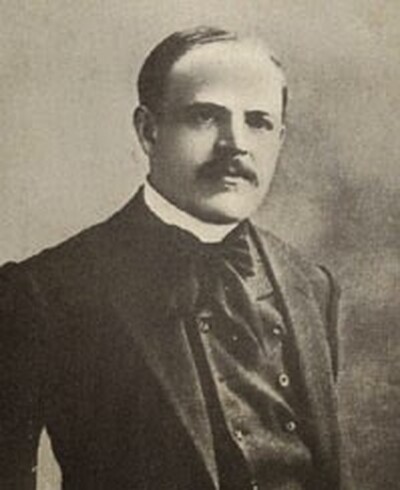
    He was born in the town of Radi, Volhynia, Ukraine. His father (Yitskhok-Yoysef) was an accomplished scholar and a quiet, good-hearted man who was not terribly adept at practical matters. He eked out a living working for a timber merchant—partly as a trustee and partly as a partner. He would come home only on Shabbat or holidays. Bialik’s mother (Dine-Freyde), a fine woman though embittered by her difficult fate, was always preoccupied, full of worries about her household. And, little Chaim Nachman was left on his own. Often alone, he absorbed his first impressions of nature between forests and fields.

    When he was six years of age, his family moved to a suburb of Zhitomir, where his father opened an inn. His father did not endure such a difficult life for long, as he soon died. His mother had to leave the seven-year-old orphan with his grandfather who lived on the far side of the city. Already in his elementary-school years, Bialik acquired the notoriety of a prodigy. He had an eagerness to study and early on began an avid reader. He would rush into his grandfather’s closet with religious texts and devour one after the next volumes of sermons, etiquette manuals, religious law, homiletic legends, tales, kabbalah, and speculation.

    With the few kopeks that he saved over the course of a year, he began to build his own library. He was at age eleven influenced a bit by the Kuzari [by Judah Halevi] and by More Nevukhim (Guide of the Perplexed [by Moses Maimonides]). A little later, he obtained by chance works of the Jewish Enlightenment. At age thirteen he left the religious elementary school and set out to study in a synagogue study hall on his own. The inclination in him to write developed very early on. In a language which mixed words of Hebrew, Aramaic, and Yiddish, as early as his elementary school years he wrote down everything that he heard from his friends, and later other things as well. Alone in the silence of the small study chamber, he began to write both poetry and florid prose. His goal became the famed yeshiva in Volozhin where students studied both Talmud and worldly subjects.

    After a long and painful struggle with his grandfather, in 1888 he was off to Volozhin. His hope to acquire a general education in the yeshiva quickly vanished. He began to devote himself entirely to reading and writing, as well as to studying Russian. Achad Ha’am and Shimen Frug made especially strong impressions on him. He was taken with the Love of Zion notion that also penetrated his mind in Volozhin. Without any contact with Bnei Moshe (Children of Moses), organ of Achad Ha’am and his associates, not knowing even of its origins, he founded a group of the best yeshiva students—using the very same name. Enjoined by his comrades to write, he wrote up an article, something of a manifesto of the group: “On the Idea of a Settlement in the Land of Israel.” Unbeknownst to him, it was signed with the initial “Kh. N. B.” and published in Hamelits (The Advocate) in 1891.

    Soon thereafter, and without informing his grandfather, he set out for Odessa. Without friends or acquaintances, he suffered considerable hardship there. Thanks to a chance occurrence, his poem “El hatsipor” (To the Bird) appeared in Y. Kh. Ravnitski’s collection Pardes (Paradise) (1891). A short time after this first literary publication, his comrades informed him that his grandfather was close to death, and his family desired that he return home. He then left Odessa and once again he stood “at the threshold of the old study hall.” His grandfather passed away shortly after his return, and an elder brother also soon died from tuberculosis. His family compelled him to marry. For several years he worked in the timber industry and lived in a forest in the Kiev area. Later, he worked as a teacher of Hebrew.

    During these years, he studied, read much, and often published in Hebrew-language anthologies, primarily in Hashiloaḥ. With every new poem, he became ever more popular among Jewish intellectuals. In 1899 he succeeded in settling in Odessa where he became a teacher and director of a modern Hebrew school. At that time he published in the weekly Der Yud (The Jew) his first poem in Yiddish: “Afn Hoykhn Barg” (On the High Mountain). Following the pogrom in Kishinev in the spring of 1903, he traveled to the city and wrote in Hebrew and in Yiddish his celebrated poem, “In the City of Slaughter.” It made him famous through the entire Jewish world. The self-defense organizations that came into existence at that time were heavily influenced by Bialik’s poem.

    In 1905 he formed in Odessa, together with Y. Kh. Ravnitski, the publishing house Moriah. The years preceding WWI were the most productive in his life. He produced his strongest poetic works, stories, and essays, as well as his research into the Hebrew poets of the Middle Ages. Together with Ravnitski, he selected homiletic works from the Talmud, translated them into Yiddish, and then published them in both languages. In partnership with Mendele and Ravnitski, he translated the first part of Sipure hamikra (Bible Stories). This should have been the beginning of a full Bible translation into Yiddish, but the eruption of WWI forced the discontinuation of this work.

    In the prewar period, Bialik translated into Hebrew writings by Avrom Reyzen, Sholem-Aleykhem, B. Shapir, Sh. An-sky, and Ben-Ami. After the February Revolution in 1917, Bialik lived for a short time in Moscow. He worked intensively at his writing. He edited Hebrew-language anthologies, continued his studies of the Hebrew poets of the medieval era, and participated in Jewish communal life.

    In 1921, he left Soviet Russia and settled in Berlin. There he founded the press Dvir (Berlin-Tel Aviv), publishing a series of important writings as well as textbooks, reissued works that Moriah had earlier published but which had disappeared from the book market in the years of war and revolution.

    In 1924 he transported Dvir to Palestine. He became a resident of Tel Aviv—in the heart of the entire cultural life of the new settlement. Dvir expanded its activities and became a national press; among its dozens and dozens of works, Bialik published a complete edition of Samuel ibn Gabirol’s poetry and a first volume of Moshe ibn Ezra’s poems, with annotations and notes by himself and Ravnitski; he also set out to translate into Hebrew classical poetry of the world.

    In 1924 he published his translation of Schiller’s Wilhelm Tell, and in 1929 Shakespeare’s Julius Caesar. In 1926 Bialik made a lengthy trip to the United States and in 1931 he traveled to Poland.

    He died in Vienna after an operation. His body was transferred for burial to Tel Aviv next to the grave of Achad Ha’am.

    Among his books in Yiddish: Fun Tsar un Tsorn (Of Sorrow and Wrath) (Odessa, 1906), 32 pp., second edition: (Berlin, 1922); Der matmid (The Talmud Student), translated by Y. Y. Shvarts (New York, 1908), 24 pp.; Di Fayer-Megile (The Burning Scroll), translated by Y. Y. Shvarts (New York, 1909), 34 pp.; Arye Bal-Guf (Corpulent Arye), translated by Moyshe Taytsh (Warsaw, 1910), 76 pp.; Marinka, translated by Shimen Ginzburg (Odessa, 1911), 73 pp.; Poezye, Lider un Poemes (Poetry, Songs and Poems) (Warsaw, 1913), 135 pp.; R’ Yehude Halevis Yam-Lider (R. Yehudah Halevi’S Songs of the Sea), melody from the musician Shnier (Warsaw, 1916), 3 pp.; Dos Yidishe Bukh (The Jewish Book), translated by Z. Kotler (New York, 1918), 30 pp.; Di Yidishe Agodes: Dertseylungen, Zogn, Legendn, Mesholim, Aforizmen un Shprikhverter, Geklibn fun Talmud un Midroshim Nokhn Hebreyishn “Sefer Haagode” (Jewish Homiletics: Stories, Tales, Legends, Fables, Aphorisms, and Sayings, Selected from the Talmud and Midrashim in the Hebrew-Language Sefer haagoda), 4 vols. (Odessa, 1910), photostatic reprint; (Odessa: Moriyah, 1917-1919), 3 volumes; (New York, 1948), with Y. Kh. Ravnitski; Noyekh un Marinke (Noah and Marinka) (Warsaw, 1921), 23 pp.; Shirim, Lider un Poemes (Poetry and Songs) (Berlin, 1922), 111 pp.; Tsvey Redes (Two Speeches) (Kovno, 1930), 24 pp.; Lider un Poemen, Mit Byaliks Oytobiografyeaph un Aynlaytung fun Sh. Niger (Songs and Poems, with Bialik’S Autobiography and a Preface by Shmuel Niger) (New York, 1935), 291 pp.; Shriftn (Writings), translated by Y. Y. Shvarts (Detroit, 1946), 314 pp.; Lider un Poemen (Munich, 1948), 136 pp.; Bialik’s poem Yesoymes (Orphans)—four poems: “Mayn Tate” (My Father), “Shvue” (Oath), “Almone” (Widow), and “Opsheyd” (Distinct)—was translated by Nosn Mark (Bucharest, 1938); Oygeklibene Shriftn (Selected Writings) (Buenos Aires: Lifshits-fond, 1964), 380 pp.

    Bialik’s poetry and prose have been translated into twenty-two languages.

    A special place in the literature by and about Bialik is occupied by the work of “Bialik Sheb’Al Pe” (Oral Bialik)—his shrewd witticisms in private conversations and the significant words that he had to say at important opportunities in Jewish life in his era. He was linked with virtually every leading Jewish personality of his time. His rich correspondence with them remains a treasury for research on him and for research into literature and history generally.

    Bialik composed his best and most important writings in Hebrew, yet Bialik’s Yiddish retains great significance as well. He fertilized the Yiddish language.

    “Bialik’s Yiddish,” wrote Shmuel Niger, “was not, just as his Hebrew was not, frozen in tradition, but fresh and alive rooted in the linguistic tradition. And, the profound, juicy, living roots of his Yiddish, as with his Hebrew, were not serendipitous. They drew their spiritual nourishment from the entire spiritual heritage of the Jewish people.”
     

    Sources: Zalmen Reyzen, Leksikon, vol. 1; Algemayne Entsiklopedye (General Encyclopedia), vol. 5; Bal-Makhshoves, Geklibene Shriftn (Selected Writings) (Warsaw, 1929), pp. 171-74; Bal-Makhshoves, Geklibene Verk (Selected Works) (New York, 1953), pp. 221-50; Y. D. Berkovitsh, in Forverts (January 29 and February 19, 1933); Kh. Grinberg, Yid un Velt (Jew and World) (New York, 1953), pp. 123-34, 140, 243-59; S. Dubnov-Erlikh, in Folks-Tsaytung (Warsaw) (February 9, 1923); B. Vladek, in Tsukunft (July 1916); M. Zolotaryov, in Shikago (June-July 1934); Sh. Ts. Zetser, Figurn (Fugures) (New York, 1928), pp. 11-27; Y. Y. Trunk, Idealizm un Naturalizm in der Yidisher Literatur (Warsaw, 1927), pp. 234-75; D. Tsharni, A Yortsendlik Aza (What a Decade) (New York, 1943), p. 80; Yehoyesh, in Tsukunft (February 1911); Dr. Y. Lanski, in Seyfer Bialik (Chicago) (December 1934); N. Mayzil, Khayim-Nakhmen Byalik (Warsaw, 1934), 64 pp.; N. Mayzil, in Tsukunft (August 1934); Shmuel Niger, in Dos Naye Lebn (New York) (June, July, August 1921); Niger, in Tsukunft (August 1934); Niger, Preface to Kh. N. Byalik, Lider un Poemen (Chaim Nachman Bialik, Songs and Poems) (New York, 1935); Y. Pat, in Vokhshrift far Literatur (Warsaw) (July 12, 1934); Y. Elzet, in Reshumot (New York, 1921), 223-27; Y. Fikhman, Regnboygn (Rainbow) (Buenos Aires, 1953); Z. Rubashov, in YIdisher Kemfer (July 19, 1935); Dr. M. Reyzen, Groyse Yidn Vos Ikh Hob Gekent (Great Jews Whom I Have Known) (New York, 1950), pp. 63-79; A. L. Shusheym, in Di Naye Tsayt (Buenos Aires) (July 9, 1953); A. L. Shusheym, in Ilustrirte Bleter (Buenos Aires) (July 8, 1954); A. Sherman, Der Mentsh Byalik (Bialik, the Man) (Philadelphia, 1936), p. 173; Shmuel Niger, “Kh. N. Byaliks Briv tsu zayn Froy in Yidish” (Bialik’S Letters to his Wife in Yiddish), Tog-Morgn-Zhurnal (New York) (December 25, 1955); M. Ungerfeld, Ḥayim Nakhman Byalik Veyetsirotav (Haim Nakhmen Bialik and his Creative Output) (Tel Aviv, 1960); Dov Sadan, Sugyat Yidish Bemasekhet Byalik (The Issue of Yiddish in the Work of Bialik) (Jerusalem, 1965); Y. Kh. Biletski, Ḥ. N. Byalik veYidIsh (Ḥ. N. Bialik and Yiddish) (Tel Aviv: Peretz Publ., 1970); D. Sadan, Avne shaashua (Stones of Play), in the style of Ḥ. N. Bialik (Tel Aviv, 1983); Sh. Ravidovits, Siḥot im Byalik (Conversations with Bialik) (Jerusalem-Tel Aviv, 1983); Sh. Verses (Werses), Ben gilui lekhisui, byalik besipur uvemasa (The Explicit and the Implicit, Bialik in Stories and Essays) (Tel Aviv, 1984).

    •

    ביאַליק, חיים־נחמן

    9 יאַנ׳ 1873 – 4 יולי 1934

    61 יאָר

    געב. אין דאָרף ראַדי, װאָלין, אוקראַינע. זײן פֿאָטער, יצחק־יוסף, איז געװען אַ ײד אַ למדן און אַ שטילער, גוטהאַרציקער מענטש, װאָס האָט זיך װינציק אױסגעטױגט אין פּראַקטישן לעבן. ער האָט געצױגן קאַרגע חיונה פֿון אַ באַשעפֿטיקונג בײ אַ װאַלד־מסחר, װאו ער איז צום טײל געװען נאמן, צום טײל אַ שטיקל שותּף. אַהײם פֿלעגט ער קומען בלױז אױף שבת אָדער אַ יום טוב. ב׳־ס מוטער, דינה־ פֿרײדע, אַן אײדעלע פֿרױ, אָבער פֿאַרביטערט פֿון איר שװערער מערכה, איז תּמיד געװען פֿאַרהאַװעט, פֿול מיט דאגות פֿאַר איר הױזגעזינד. דעם קלײנעם נחמנדל האָט מען געלאָזט אױף אײגענעם באַראָט. תּמיד אַלײן, האָט ער צװישן װאַלד און פֿעלד אײנגעזאַפּט אין זיך זײנע ערשטע נאַטור־אײנדרוקן.

    װען ער איז אַלט געװען 6 יאָר, האָט די משפּחה זיך אַריבער געצױגן אין אַ פֿאָרשטאָט פֿון זשיטאָמיר, װאו זײן פֿאָטער האָט געעפֿנט אַ שענק. ער האָט לאַנג ניט אױסגעהאַלטן די שװערע פּרנסה און איז אין קורצן געשטאָרבן. די מוטער האָט דעם 7־יאָריקן יתום געמוזט איבערלאָזן בײ זײן זײדן, װאָס האָט געװאױנט אין אַ צװײטן עק שטאָט. שױן אין זײנע ערשטע חדר־יאָרן האָט ב׳ געקראָגן דעם שם פֿון אַן עילױ. ער האָט געהאַט חשק צו לערנען און איז גאָר פֿרי געװאָרן אַ פֿאַרברענטער לײענער. ער האָט זיך צוגעכאַפּט צו זײן זײדנס אַלמער מיט ספֿרים און געשלונגען אײנעם נאָכן אַנדערן ספֿרים פֿון דרוש, מוסר, הלכה, אגדה, מעשה־ביכלעך, קבלה, חקירה.

    מיט די קאָפּיקעס, װאָס ער האָט געקליבן אַ גאַנצן יאָר, האָט ער אָנגעהױבן זיך אײנשאַפֿן אַז אײגענע ביבליאָטעק. צו 11 יאָר האָט ער שױן געהאַט אַ שטיקל השגה פֿונעם כוזרי, פֿונעם מורה נבוכים. אַ ביסל שפּעטער זײנען על פּי צופֿאַל אים געקומען צו דער האַנט השכלה־ביכלעך. צו 13 יאָר איז ער אַרױס פֿון חדר און געזעצט זיך לערנען אין בית־המדרש פֿאַר זיך אַלײן. די נטיה צו שרײבן האָט אין אים דערװאַכט גאָר פֿרי. אין אַ שפּראַך, װאָס איז געװען אַ געמיש פֿון לשון קודש, תּרגום־לשון מיט ײדישע װערטער, פֿלעגט ער שױן אין זײנע חדר־יאָרן פֿאַרשרײבן אַלץ, װאָס ער האָט געהערט פֿון זײנע חברים, דערנאָך — אַנדערע ענינים. אַלײן אין דער שטילקײט פֿונעם קלײנעם בית־המדרש האָט ער אָנגעהױבן שרײבן אױך שירים און מליצות. זײן אידעאַל איז געװאָרן די ישיבה אין װאָלאָזשין, װאו מ׳האָט צוזאַמען מיט תּלמוד געלערנט אױך װעלטלעכע לימודים.

    נאָך אַ לאַנגן, שװערן קאַמף מיטן זײדן איז ב׳ אין 1888 אַװעק קײן װאָלאָזשין. זײן האָפֿענונג צו קריגן אין דער ישיבה אַלגעמײנע בילדונג װערט גיך צערונען. ער הײבט אָן זיך אָפּגעבן אין גאַנצן מיט לײענען, שרײבן און מיט לערנען זיך רוסיש. אחד העם און פֿרוג מאַכן אױף אים גאָר אַ באַזונדערס שטאַרקן רושם. ער װערט פֿאַרכאַפּט פֿונעם חיבת־ציון־געדאַנק, װאָס האָט אַרײנגעדרונגען אױך אין װאָלאָזשין. אָן קײן שום קאָנטאַקטן מיטן אחד־ העמיסטישן אָרדען בני משה, ניט װיסנדיק אַפֿילו פֿון זײן אױפֿקום, גרינדעט ב׳ אַ גרופּע פֿון די בעסטע ישיבה־בחורים — מיטן זעלביקן נאָמען. אױף דער אױפֿפֿאָדערוננ פֿון זײנע חברים שרײבט ער אָן אַ מאמר, אַ מין מאַניפֿעסט פֿון דער גרופּע „צום געדאַנק פֿון ישוב אין א״י“. אָן זײן װיסן, געצײכנט מיט די איניציאַלן ח. נ. ב., דרקט מען אָפּ זײן מאמר אין המליץ (1891).

    קורץ דערױף, און בסוד פֿון זײן זײדן, לאָזט זיך ב׳ אַװעק קײן אָדעס. אָן פֿרײנד און באַקאַנטע, לײדט ער שװערע נױט. אַ דאַנק עפּעס אַ צופֿאַל װערט זײן שיר „אל הצפּור“ אָפּגעדרוקט אין י. ח. ראַװניצקיס זמ״ב פּרדס, 1891. אַ קורצע צײט נאָך זײן ערשטן אַרױסטריט װי אַ דיכטער זײנען זײנע חברים אים מודיע, אַז זײן זײדע האַלט בײם שטאַרבן און משפּחה פֿאַרלאַנגט, ער זאָל קומען אַהײם. ער פֿאַרלאָזט אָדעס און פֿון ס׳נײ שטײט ער „אױף דער שװעל פֿון אַלטן בית־מדרש“ דער זײדע איז געשטאָרבן אַ קורצע צײט נאָך זײן צוריקקומען. געשטאָרבן פֿון שװינדזוכט איז אױך זײנער אַן עלטערער ברודער. משפּחה צװינגט אים חתונה צו האָבן. עטלעכע יאָר באַשעפֿטיקט ער זיך מיט װאַלד־מסחר און לעבט אין אַ װאַלד אין דער געגנט פֿון קיעװ. שפּעטער װערט ער לערער פֿון העברעאיש.

    די אַלע יאָרן לערנט ער און לײענט אַ סך און דרוקט אָפֿט אין די העברעאישע זמ״ב, דער עיקר אין השלח. מיט יעדן נײעם ליד װערט ער אַלץ מער באַליבט בײ דער ײדישער אינטעליגענץ. 1899 געלינגט אים צו באַזעצן זיך אין אָדעס, װאו ער װערט לערער און פֿאַרװאַלטער פֿון אַ מאָדערנער העברעאישער שול. אין יענעם יאָר דרוקט ער אין דער װכ״ש דער יוד זײן ערשט ליד אין ײדיש: „אױפֿן הױכן באַרנ“. נאָכן פּאָגראָם אין קעשעניעװ, פֿרילינג 1903, פֿאָרט ער אין דער פּאָגראָמירטער שטאָט און שרײבט אין העברעאיש און אין ײדיש זײן באַרימטע פּאָעמע אין שחיטה־שטאָט. זי מאַכט אים באַקאַנט אין דער גאָרער ײדישער װעלט. די זעלבסטשוץ־אָרגאַניזאַציעס, װאָס זײנען דעמאָלט אױפֿגעקומען, זײנען אונטער דער שטאַרקער השפּעה פֿון ב׳־ס פּאָעמע.

    1905 גרינדעט ער אין אָדעס, אין אײנעם מיט י. ח. ראַװניצקי, דעם פֿ״ג „מוריה“. די יאָרן ביז דער ערשטער װעלט־מלחמה זײנען די פּראָדוקטיװסטע אין זײן לעבן. ער שאַפֿט זײנע שטאַרקסטע פּאָעטישע װערק, דערצײלונגען און עסײען, אױך זײנע פֿאָרש־אַרבעטן איבער די העברעאישע פּאָעטן פֿונעם מיטלאַלטער. אין אײנעם מיט ראַװניצקין קלײבט ער אָפּ אגדות פֿונעם תּלמוד, זעצט זײ איבער אױף ײדיש און גיט זײ אַרױס איז בײדע שפּראַכן. בשותּפֿות מיט מענדעלען און ראַװניצקין (געצײכנט: בא״ר) זעצט ער איבער דעם 1טן טײל פֿון ספֿורי המקרא. דאָס האָט געזאָלט זײן דער אָנהײב פֿון אַן אַלגעמײנער תּנ״ך־איבערזעצוננ אין ײדיש. מיטן אױסבראָך פֿון דער ערשטער װעלט־מלחמה װערט די אַרבעט אָפּגעשטעלט.

    אין דעם פֿאַרמלחמהדיקן פּעריאָד האָט ב׳ איבערגעזעצט אױף העברעאיש װערק פֿון אַבֿרהם רייזען, ש״ע, ב. שאַפֿיר, ש. אַנ־סקי, בן־עמי. נאָך דער מערץ־רעװאָלוציע, 1917, לעבט ב׳ אַ צײט איז מאָסקװע. ער אַרבעט אינטענסיװ שרײבעריש. רעדאַקטירט העבדעאישע זמ״ב, איז ממשיך זײנע שטודיעס איבער די העברעאישע דיכטער פֿונעם מיטל־אַלטער און איז דערבײ באַטײליקט אין ײדישן געזעלשאַפֿטלעכן לעבן.

    1921 פֿאַרלאָזט ב׳ סאָװעט־ רוסלאַנד און באַזעצט זיך אין בערלין. ער גרינדעט דעם פֿ״ג „דביר“ (בערלין־תּל־אביב), גיט אַרױס אַ רײ װיכטיקע װערק, אױך לערן־ביכער, דרוקט איבער װערק פֿונעם פֿ״ג „מוריה“, װאָס אין די מלחמה־און רעװאָלוציע־יאָרן זײנען זײ פֿאַרשװאונדן פֿון ביכער־מאַרק.

    1924 פֿירט ב׳ אַריבער דעם פֿ״ג „דביר“ קײן א״י. ער װערט אַ תּושב אין תּל־אָבֿיבֿ  — און דער מיטל־פּונקט פֿון גאַנצן קולטורלעבן אין נײעם ישוב. „דביר“ ברײטערט אױס זײן טעטיקײט און װערט אַ נאַציאָנאַלער פֿ״ג; צװישן די צענדליקער און צענדליקער װיכטיקע װערק גיט ב׳ אַרױס אױך אַ קאָמפּלעטע אױסגאַבע פֿון שלמה אבן גבירולס שירים, אַן ערשטן באַנד פֿון ר׳ משה אבן־עזראס שירים, מיט דערקלערונגען און הערות פֿון ביאַליק און ראַװניצקי; ער גיט זיך אױך אָפּ מיט איבערזעצן אױף העברעאיש קלאַסישע װעלט־פּאָעזיע.

    1924 דערשײנט זײן איבערזעצונג פֿון שילערס װילהעלם טעל,      1929 — שעקספּירס יוליוס צעזאַר. 1926 איז ב׳ געקומען אױף אַ לענגערן באַזוך קײן אַמעריקע; 1931 האָט ער געמאַכט אַ רײזע קײן פּױלן.

    געשטאָרבן איז ער אין װין נאָך אַן אָפּעראַציע. געבראַכט געװאָרן צו קבורה אין  תּל־אָבֿיבֿ, לעבן קבר פֿון אחד העם.

    אין בוכפֿאָרם אין ײדיש: פֿון צער און צאָרן, אָדעס, 1906, 32 ז׳, 2טע אױפֿל., בערלין, 1922; דער מתמיד, איבערגעזעצט פֿון י. י. שװאַרץ, נ״י, 1908, 24 ז׳; די פּײער־מגילה, איבערגעז. פֿון י. י. שװאַרץ, נ״י,1909, 34 ז׳; אריה בעל־גוף, איבערגעז. פֿון מ. טײטש. װאַרשע, 1910, 76 ז׳; מאַרינקא, איבערגעז. פֿון שמעון גינצבורנ, אָדעס, 1911, 73 ז׳; פּאָעזיע (לידער און פּאָעמעס), װאַרשע, 1913, 135 ז׳; רי יהודה הלױס  ים־לידער, מעלאָדיע פֿון מוזיקער שניאור, װאַרשע, 1916, 3 ז׳; דאָס ײדישע בוך, איבערגעז. פֿון ז. קאָטליאַר, נ״י, 1918, 30 ז׳; נח און מאַרינקע, װאַרשע, 1921, 23 ז׳; שירים, לידער און פּאָעמען, בערלין, 1922, 111 ז׳; צװײ רעדעס, קאָװנע, 1930, 24 ז׳; לידער און פּאָעמען, מיט ב׳ס אױטאָביאָגראַפֿיע און אַרײנפֿירװאָרט פֿון ש. ניגער, נ״י, 1935, 291 ז׳; שריפֿטן, ײדיש: י. י. שװאַרץ, דעטראָיט, 1946, 134 ז׳; לידער און פּאָעמען, מינכען, 1948, 136 ז׳; די ײדישע אגדותּ, געקליבן פֿון תּלמוד און מדרשים, באַאַרבעט (אין אײנעם מיט י. ח. ראַװניצקין), 4 ב׳, אָדעס, 1910; פֿאָטאָסטאַטישע אױסגאַבע, נ״י, 1948. ליעדער, אָריגינעלע און איבערגעזעצטע (פֿאָררעדע — בעל־מחשבֿות). אָדעס, מוריה, תּרע״ח. 20, 135 זז׳; די ייִדישע אַגדות [מיט י. ח. ראַבניצקי]. דאָרטן, תּרע״ז־תּרע״ט. 3 בב׳; אױסגעקליבענע שריפֿטן. ב״אַ, ליפֿשיץ־פֿאָנד, 1964. 380 זז׳. ב׳ס פּאָעמע יתמות [פֿיר לידער: מײַן טאַעט, שבֿעה, אַלמנה, אָפּשײד] איז איבערגעז׳ געװאָרן דורך נתן מאַרק (בוקאַרעשט, 1938).

    ב׳־ס פּאָעזיע און פּראָזע איז איבערגעזעצט געװאָרן אין 22 שפּראַכן.

    אַ באַזונדערן פּלאַץ אין דער ליטעראַטור פֿון און װעגן ב׳־ן פֿאַרנעמען די אַרבעטן בנוגע צו ביאַליק שבעל פּה, זײנע פּיקחותדיקע װערטלעך אין פּריװאַטע שמועסן און זײן װאָגיק װאָרט, װאָס ער האָט געהאַט צו זאָגן בײ װיכטיקע געלעגנהײטן אין ײדישן לעבן פֿון זײן תּקופֿה. ער איז געװען פֿאַרבונדן כמעט מיט אַלע פֿירנדיקע ײדישע פּערזענלעכקײטן פֿון זײן צײט. זײן רײכע קאָרעספּאָנדענץ מיט זײ פֿאַרבלײבט אַן אוצר פֿאַרן ביאַליק־פֿאָרשער און פֿאַרן פֿאָרשער פֿון ליטעראַטור און געשיכטע בכלל.

    זײנע גרעסטע און װיכטיקסטע װערק האָט ב׳ געשאַפֿן אין העברעאיש, דאָך האָט אױך דער ײדישער ביאַליק אַ גרױסן באַדײט. ער האָט באַפֿרוכפּערט די ײדישע שפּראַך.

    „ביאַליקס ײדיש איז, אַזױ װי זײן העברעאיש, ניט פֿאַרגליװערט־טראַדיציאָנעל, נאָר פֿריש און לעבעדיק פֿאַרװאָרצלט אין דער שפּראַכלעכער טראַדיציע. און אָט די טיפֿע, זאַפֿטיקע און לעבעדיקע װאָרצלען פֿון זײן ײדיש, װי פֿון זײן העברעאיש, זײנען ניט קײן צופֿעליקע װאָרצלען, זײ ציען זײער יניקה פֿון דער גאַנצער גײסטיקער ירושה פֿון דעם ײדישן פֿאָלק“ (ש. נײער).


    ז. רײזען, לעקסיקאָן, ב 1; אַלנעמײנע ענציקלאָפּעדיע, ב. 5; בעל מחשבות, געקליבענע שריפֿטן װאַרשע, 1929, ז״ז 171–174, און געקליבענע װערק, שטײן־ביבליאָטעק, נ״י, 1953, ז״ז 221–250; י. ד. בערקאָװיטש, פֿאָרװערטס, 29 יאַנ. און 19 פֿעב., 1933; ח. גרינבערג, ײד און װעלט, נ״י, 1953, ז״ז 123–134, 140, 243–259; ס. דובנאָװ־ערליך, פֿאָלקס־צײטונג, װאַרשע, 9 פֿעב., 1923; ב װלאַדעק, צוקונפֿט, יולי, 1916; ס. זאָלאָטאַריאָװ, שיקאַגאָ, יוני־יולי, 1934; ש. צ. זעצער, פֿיגורן, נ״י, 1928, ז״ז 11–27; י. י. טרונק, אידעאַליזם און נאַטוראַליזם אין דער ײדישער ליטעראַטור, װאַרשע, 1927, ז״ז 234–275; ד. טשאַרני, אַ יאָרצענדליק אַזאַ, נ״י, 1943, ז׳ 80; יהואש, צוקונפֿט, פֿעברואַר, 1911; ד״ר י. לאַנסקי, ספֿר ביאַליק, שיקאַגאָ, דעצ., 1934; נ. מײזיל, חײם־נחמן ביאַליק, װאַרשע, 1934, 64 ז׳, און צוקונפֿט, אױג, 1934; ש. ניגער: דאָס נײע לעבן, נ״י, יוני, יולי, אױג., 1921; צוקונפֿט, אױג, 1934; אײנלײטונג צום בוך: ח. נ. ביאַליק, לידער אװ פּאָעמען, נ״י, 1935; י. פּאַט, װאָכנשריפֿט פֿאַר ליטעראַטור, װאַרשע, 12 יולי, 1934; י. עלזעט, רשומות, נ״י, תרפּ״א, ז״ז 223–227; י. פֿיכמאַן, רעגנבױגן, ב אײרעס, 1954; ז. רובאַשאָװ,אידישער קעמפֿער, 19 יולי, 1935; ד״ר מ. רײזען, גרױסע ײדן, װאָס איך האָב געקענט, נ״י, 1950, ז״ז 63–79; א. ל. שוסהײם, די נײע צײט, ב אײרעס, 9 יולי, 1953, און אילוסטרירטע בלעטער, ב״א, 8 יולי, 1954; א. שערמאַן, דער מענטש ביאַליק, פֿילאַדעלפֿיע, 1936, 173 ז׳; ש. ניגער, „ח. נ. ביאַליקס בריװ צו זײן פֿרױ אין ײדיש“, טאָג־מ.־זשורנאַל, נ״י, 25 דעצ., 1955. מ. אונגרפֿלד, ח.נ. ביאַליק ױצירותיו. תּ״א, 1960; ד. סגן, סוגײת ייִדיש במסכת ביאַליק. ירושלים, תּשכ״ה;י. ח. בילצקי, ביאַליק וייִדיש; ד. סדן, אַבֿני שעשוע (לדרכּו של ח. נ. ביאַליק). תּ״א, 1983; תּ״א, 1970; ש. רבֿידוביץ, שׂיחותי עם ביאַליק. ירושלים־תּ״א, 1983; ש. ורסס, בין גילױ לכיסױ: ביאַליק בסיפּור וּבמסה. תּ״א, 1984.

    © 2026 Congress for Jewish Culture 
    Rights are reserved. If you wish to quote small portions of text or data from this Lexicon, you may do so with full attribution to the Congress for Jewish Culture and a link to the specific site, which credits the sources. The Lexicon is perpetually in process; so some elements cited might change as we correct and update information.

    If you notice any errors or omissions in this Lexicon (or if you have any concerns or need help) please email us -- Or feel free to post a Public Comment, form at the end of each person's biography.

    NOTE
    A lot of our English and Yiddish texts and metadata are being worked on: researched, checked, corrected, fixed, formatted, updated, and translated.
    There are many ways you can help.

    Leave a comment

    Полина Пайлис

    Хаим Нахман Бялик: "Меня влечёт "Литовская Эрец-Исраэль!" Визиты в Литву в 1930 и 1931 году.

    https://dzen.ru/a/YEFNFCu3T2tPgArb

    10/16/2024
    Polina

    Bialik's translations of Heynrikh Heyne were included into collection of works of H. Heyne in 8 volumes, published in New York by ferlag Yidish in 1918.
    די ווערק פון היינריך היינע : אין אכט בענד
    היינע, היינריך; מיט א ביאגראפיע פון ע. קאלישער און א פארווארט פון נ. סירקין; איבערזעצט פון אייזלאנד, ר., ביאליק, ח.נ., באראכאוויטש, גראס, נ., האלפערן, מ.ל., לאנדוי, ז., ליליפוט, עדעלשטאט, ד., פרישמאן, ד., פרץ, י.ל., שווייד, מ., רייזען, א., און י. ראלניק,
    צװײטע אױפלאגע
    ניו-יארק : פערלאג אידיש

    1/9/2020
    zavorokhina maria
    Your Comment *
    Reminder - Please state your Source of info in your comment
    You will get an email for verification before your comment is put on the site. We will not make your email address public.