
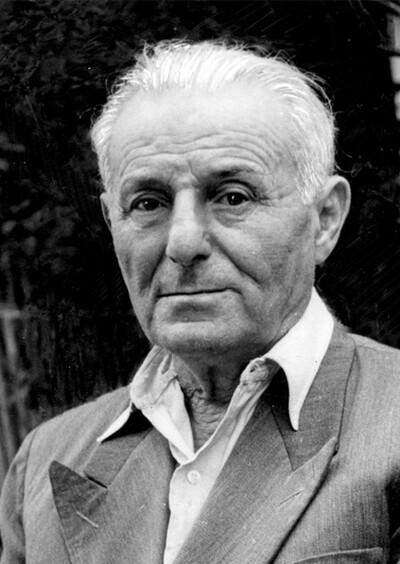
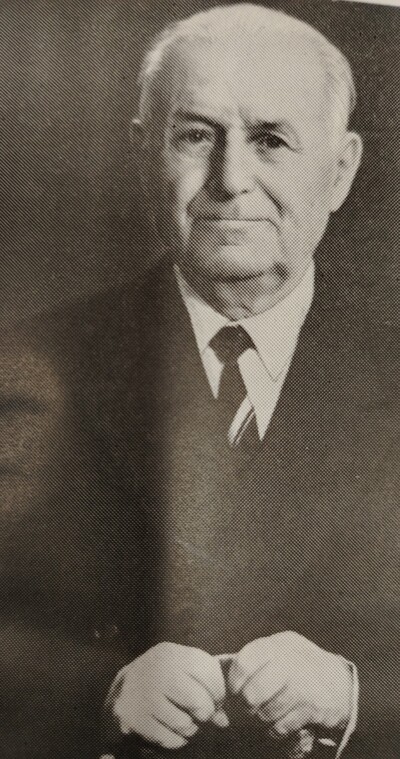
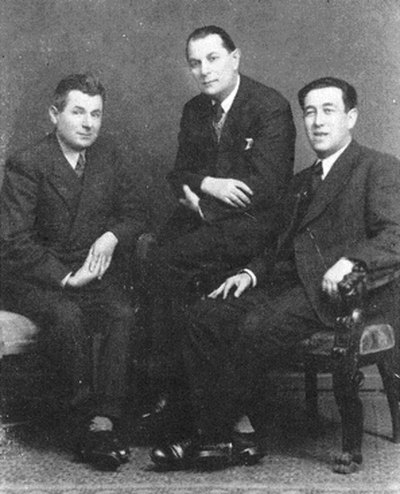
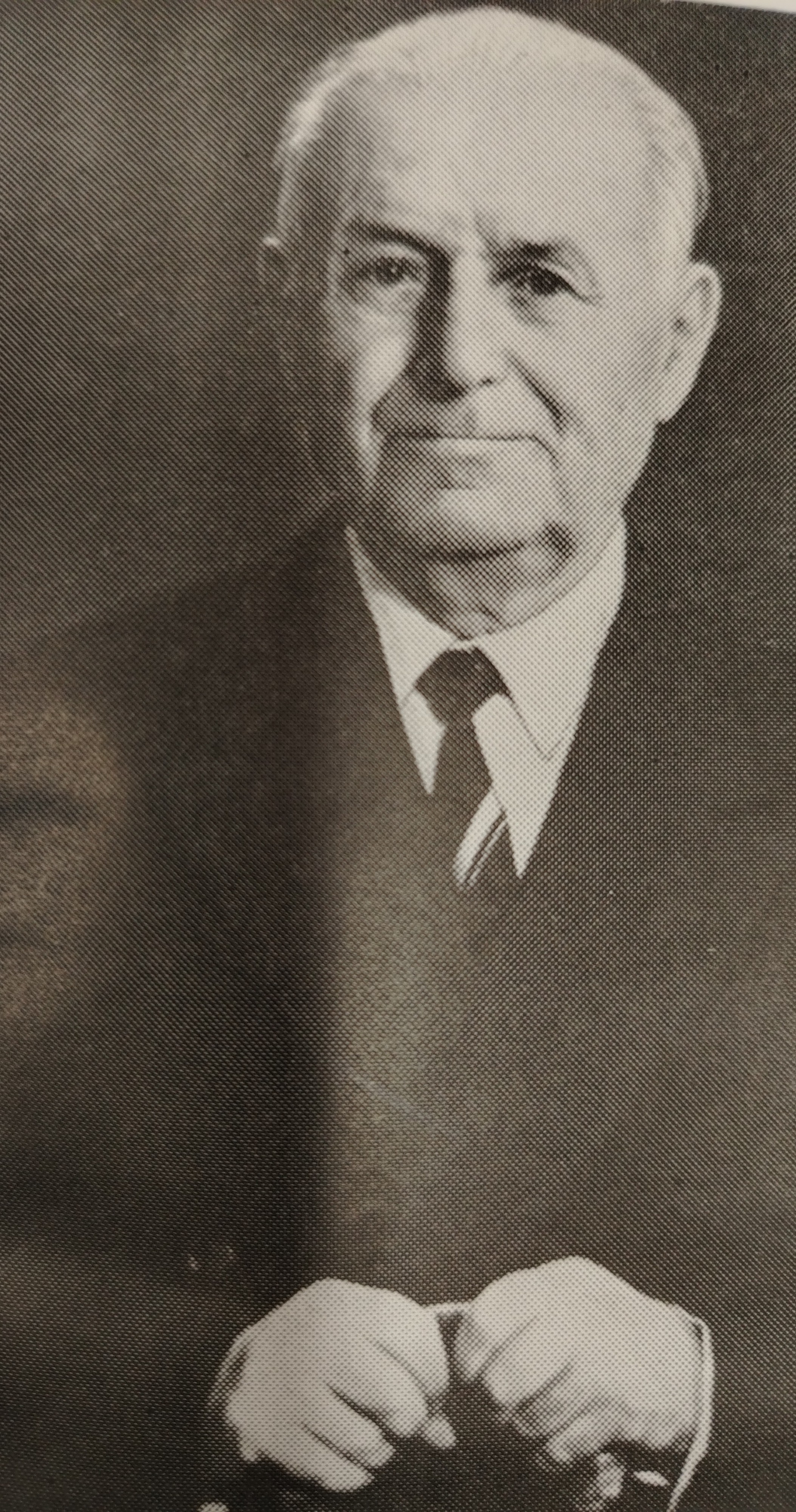
Altman, Moyshe
May 7, 1890–October 21, 1981
Author of prose, poetry, and drama, he was born in Lipkan (Lipcani), Bessarabia. He studied in religious schools, and for a time in a secular high school as well in Kamyanets-Podilsky. He studied modern languages on his own, and he was especially assiduous in acquiring a solid knowledge of French language and literature. After WWI, when Bessarabia became a part of the newly created Greater Romania, for a time he was a traveling instructor and lecturer for the Jewish Cultural Federation whose center was in Czernowitz.
His first work of literature appeared in 1920. In 1930 he emigrated to Argentina, where he worked as the director of the Jewish orphanage in Buenos Aires. In 1931 he returned to Romania. He tried all manner of employment, for a time running a village farm in Bessarabia. In the end he settled in Bucharest which was in the 1930s second only to Czernowitz as a Jewish cultural center in Greater Romania. In 1940—after the Red Army occupied Bessarabia—he moved to Kishinev.
During the years of WWII, he lived in central Russia. He returned to Czernowitz in 1945 and worked for the local Yiddish State Theater which the Soviet authorities had moved there from Kiev. Later there was news of him from Kishinev. In 1948 his name appeared on a list of the Yiddish writers of the Soviet Union who were purged. In 1955 he returned from Soviet captivity in a camp in Irkutsk, Siberia, and he then continued his literary activities in Czernowitz. In the early 1960s he was an active author placing work in Sovetish Heymland (Soviet Homeland).
Altman’s literary debut took place when he published poems and articles of literary criticism in Di Frayhayt (Freedom), organ of the Labor Zionists, and shortly thereafter in Dos Naye Lebn (The New Life), organ of the Bund, both in Czernowitz. He was a contributor to: Literarishe Bleter (Literary Newspaper) in Warsaw; Shoybn (Glass) in Bucharest; Heymland (Homeland) and Eynikeyt (Unity) in Moscow.
He edited (together with Y. Shternberg and Sh. Bikl) Di Vokh (The Week) in Bucharest (1934); and Yidish (Yiddish), a monthly periodical in Bucharest (1935).
Among his books:
Blendenish (Radiance), stories (Czernowitz, 1926), 120 pp.;
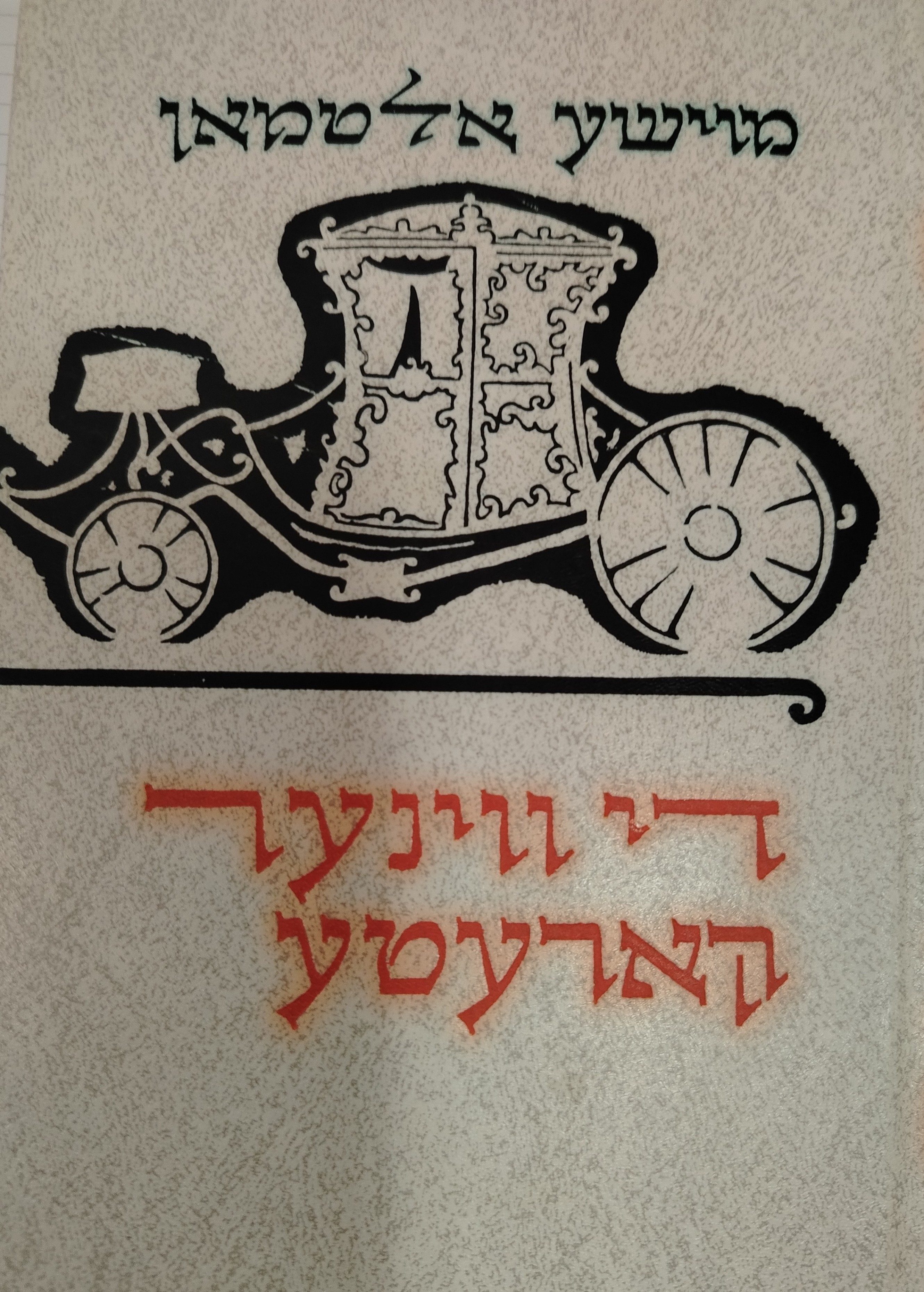
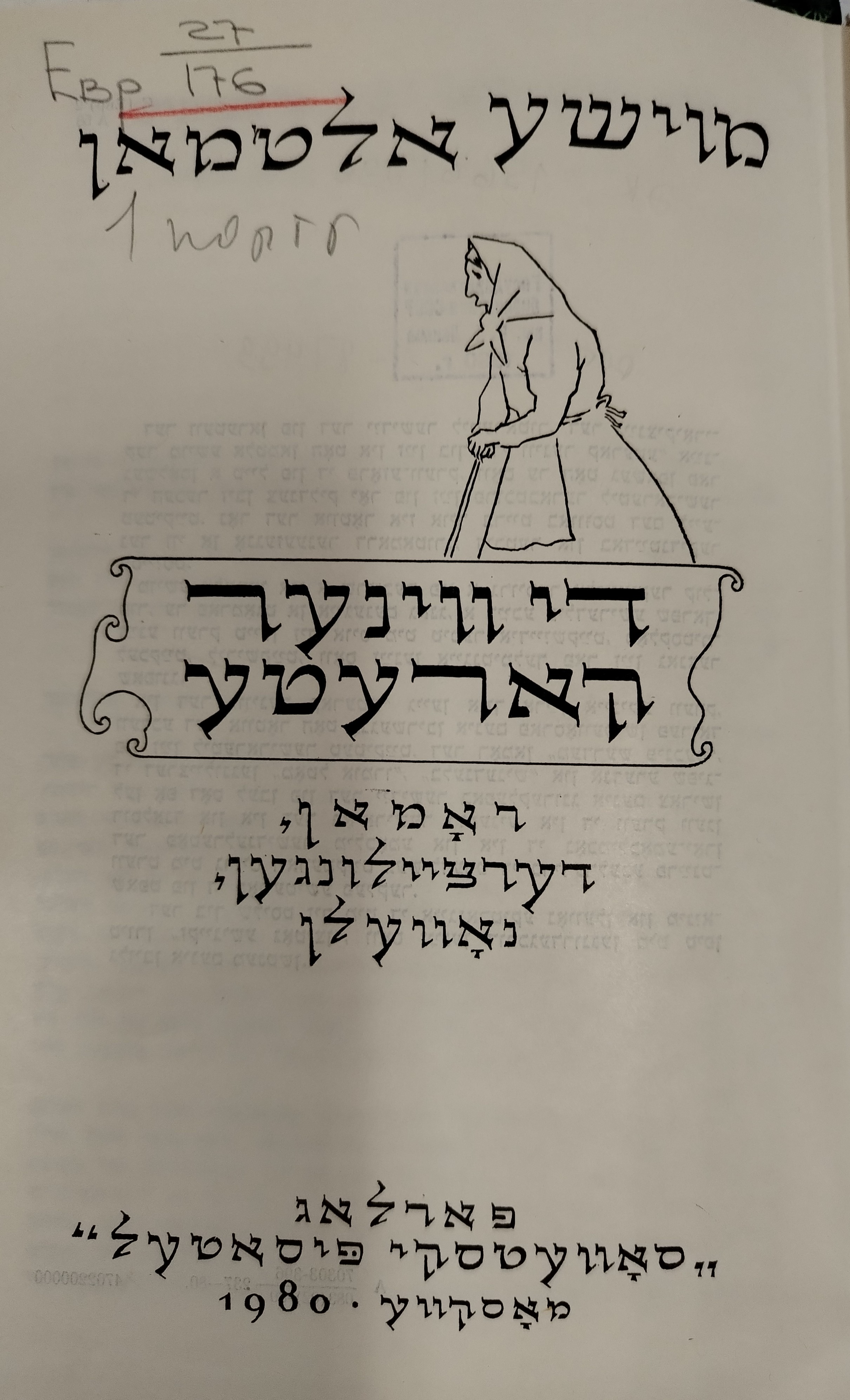
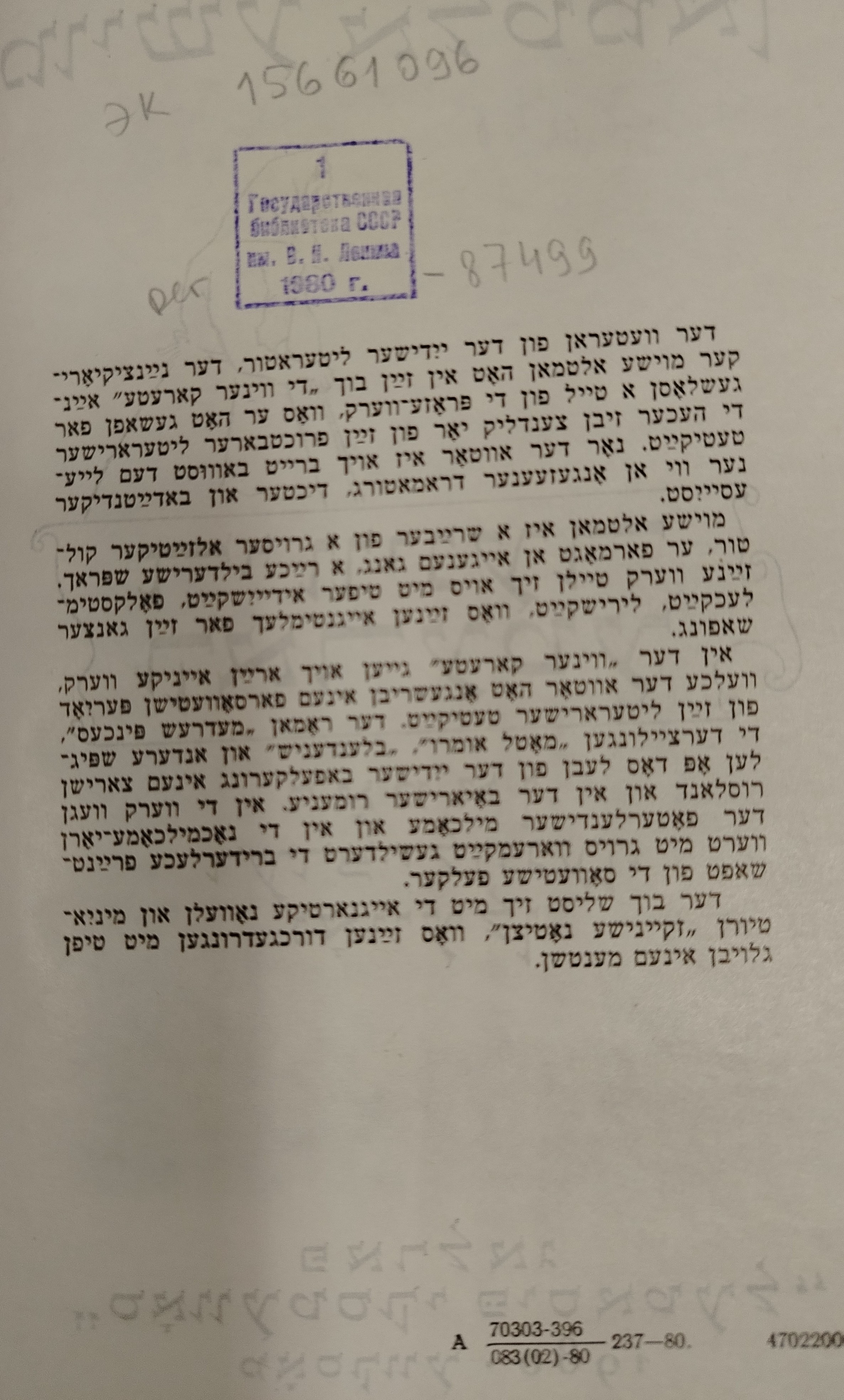
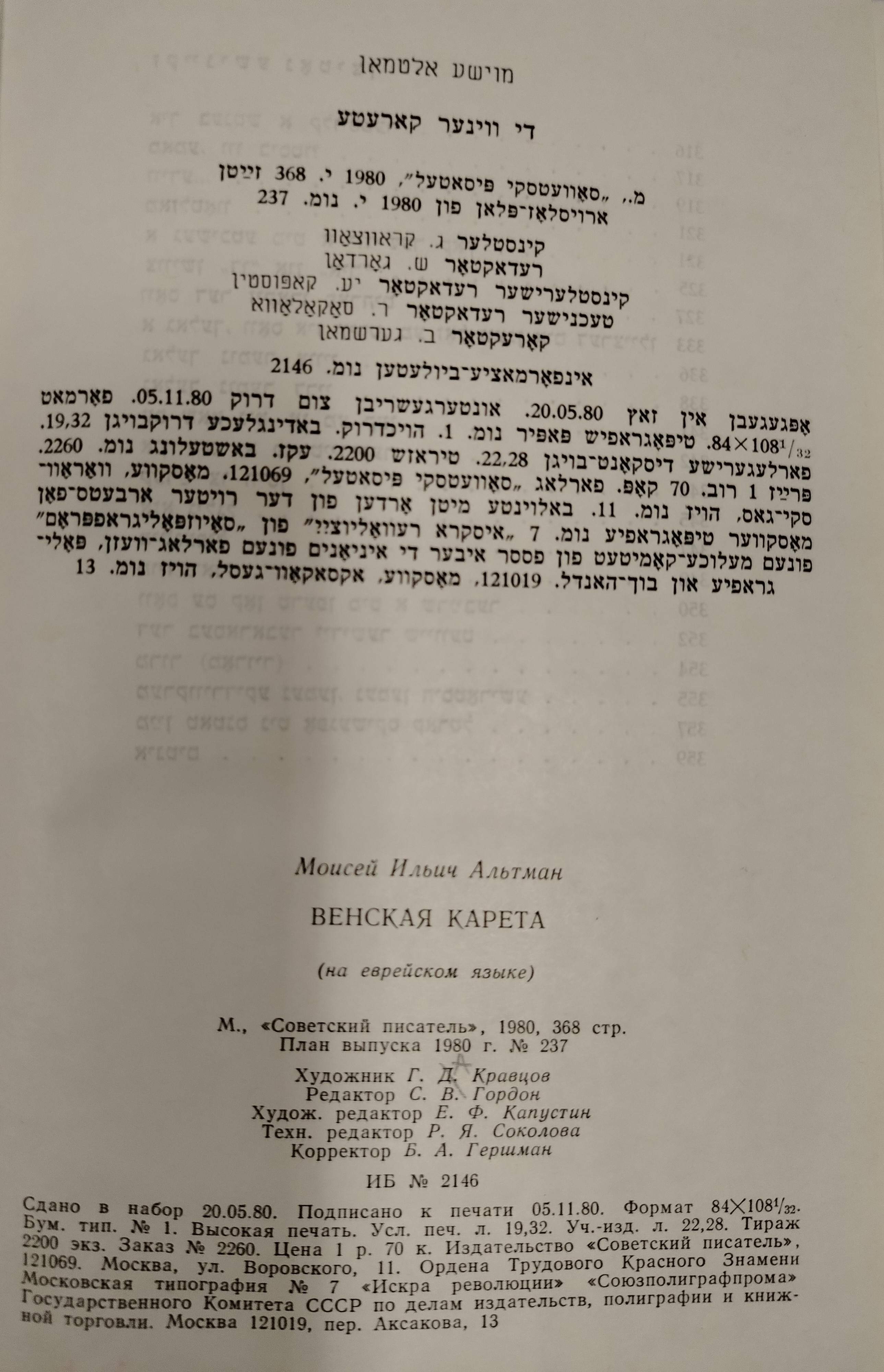
Di Viner Karete, un Andere Noveln (The Viennese Coach, and Other Stories) (Bucharest, 1935; Moscow, 1980), 158 pp.;
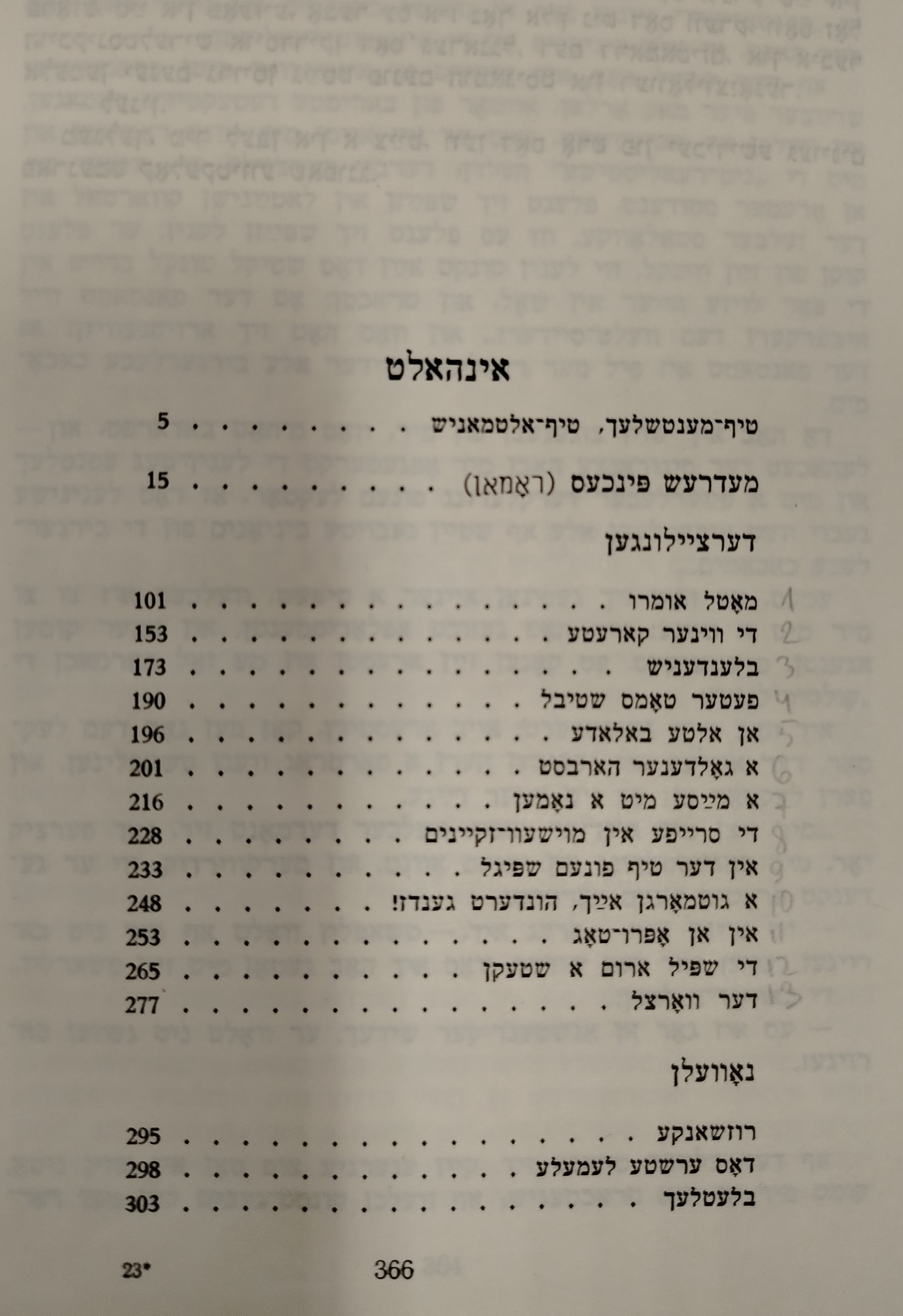
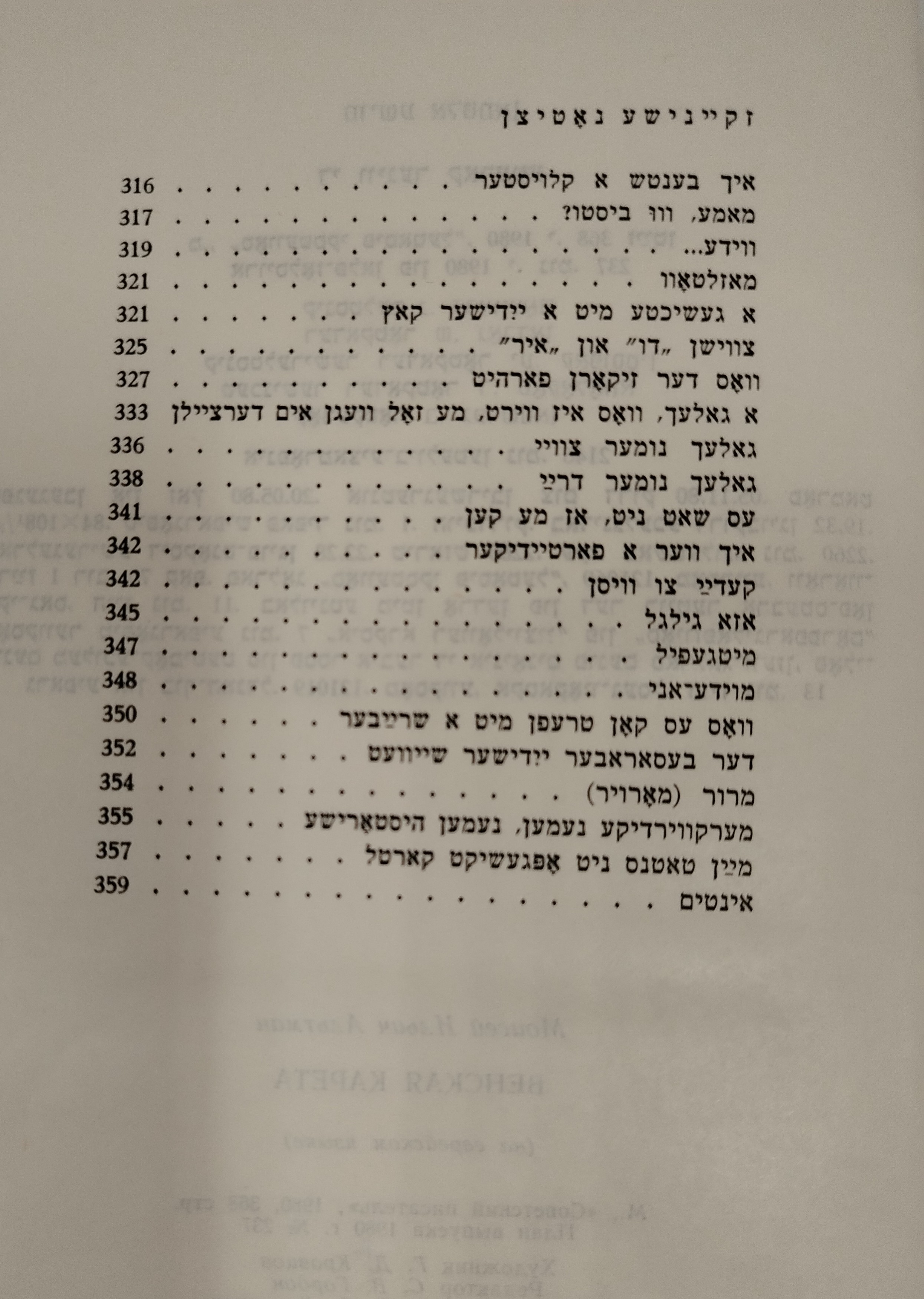
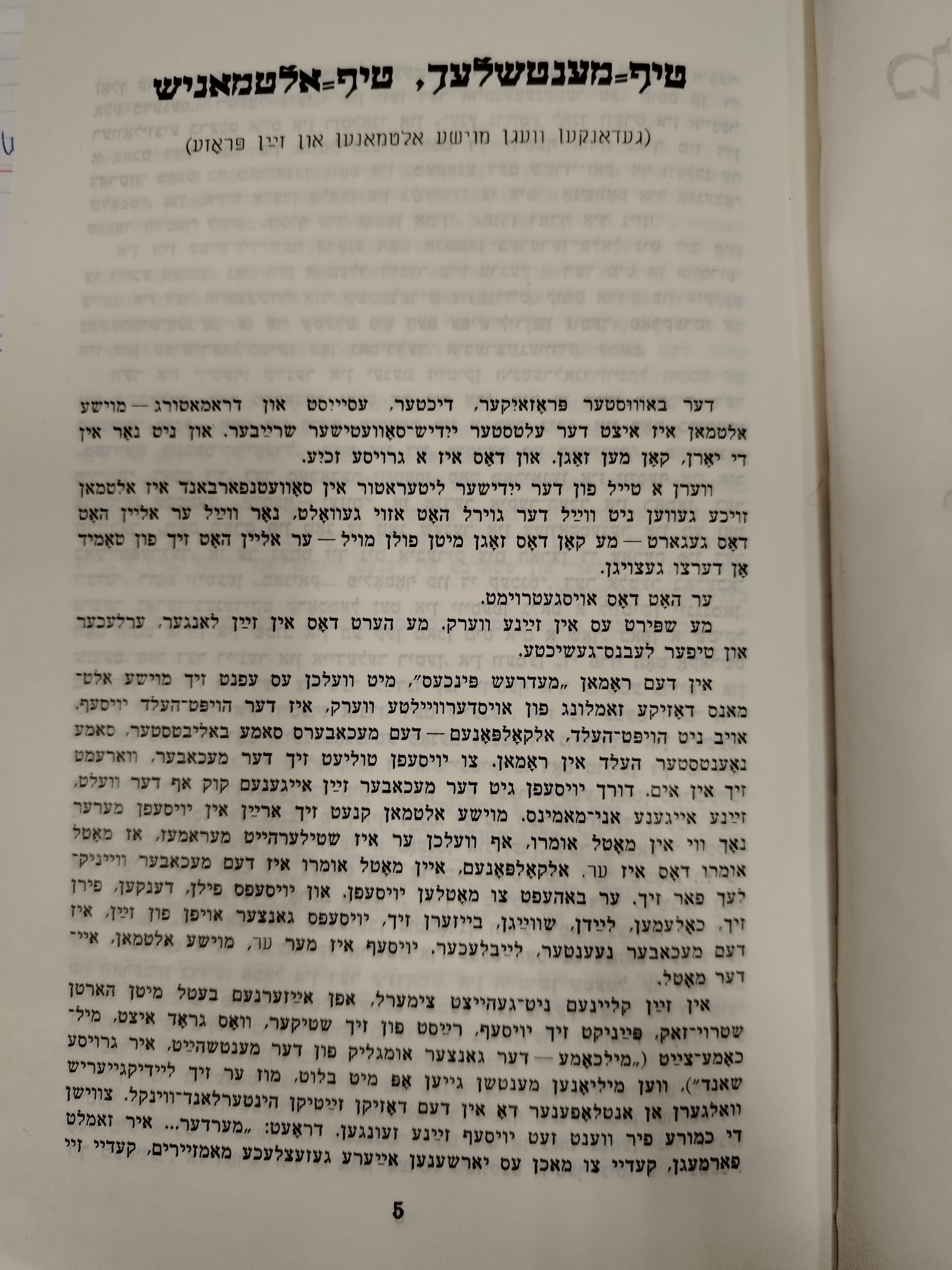
Medresh Pinkhes (Midrash according to Pinchas), a novel (Bucharest, 1936), 185 pp.;
Shmeterlingen (Butterflies) (Bucharest, 1939), 127 pp.;
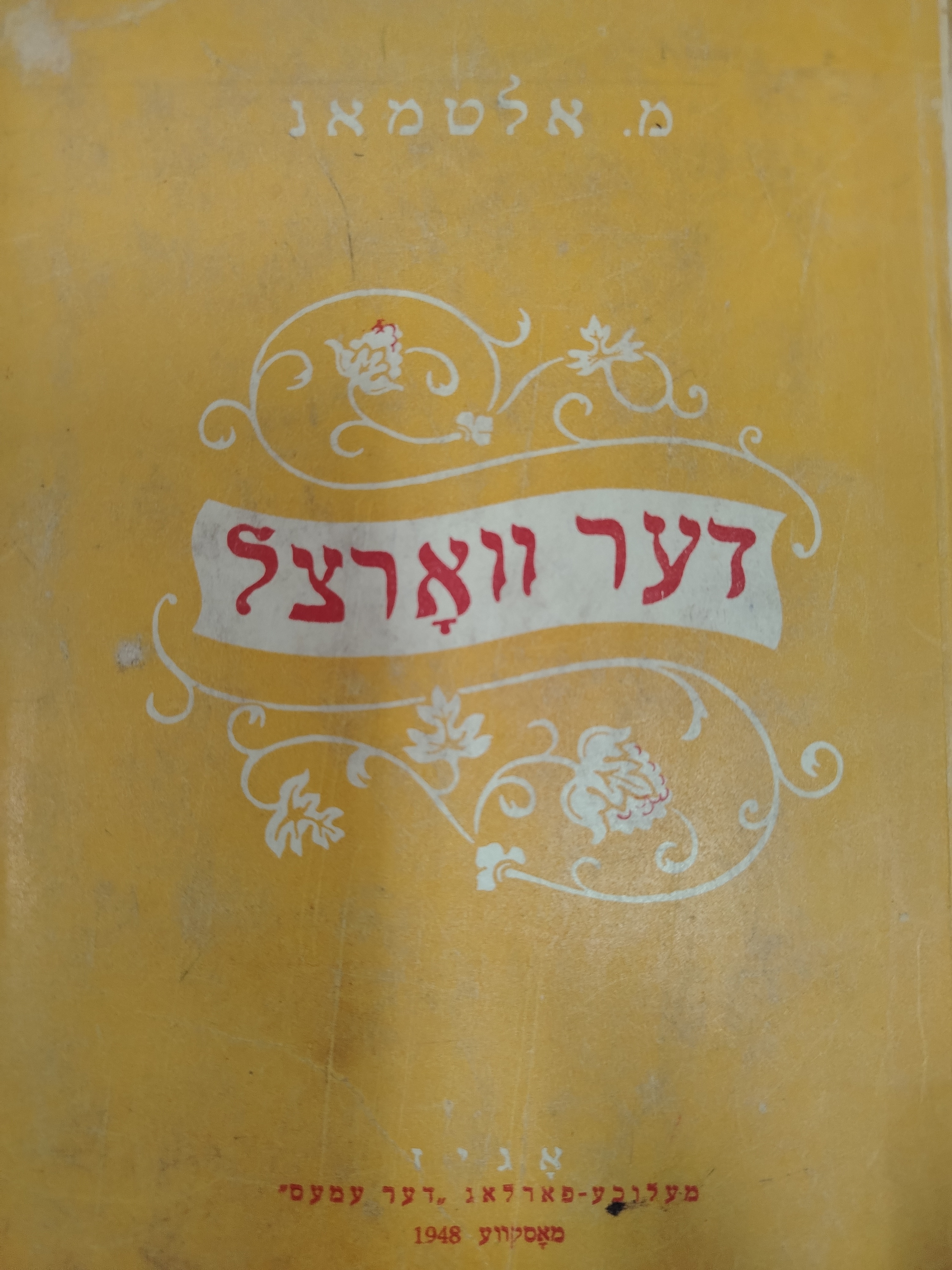
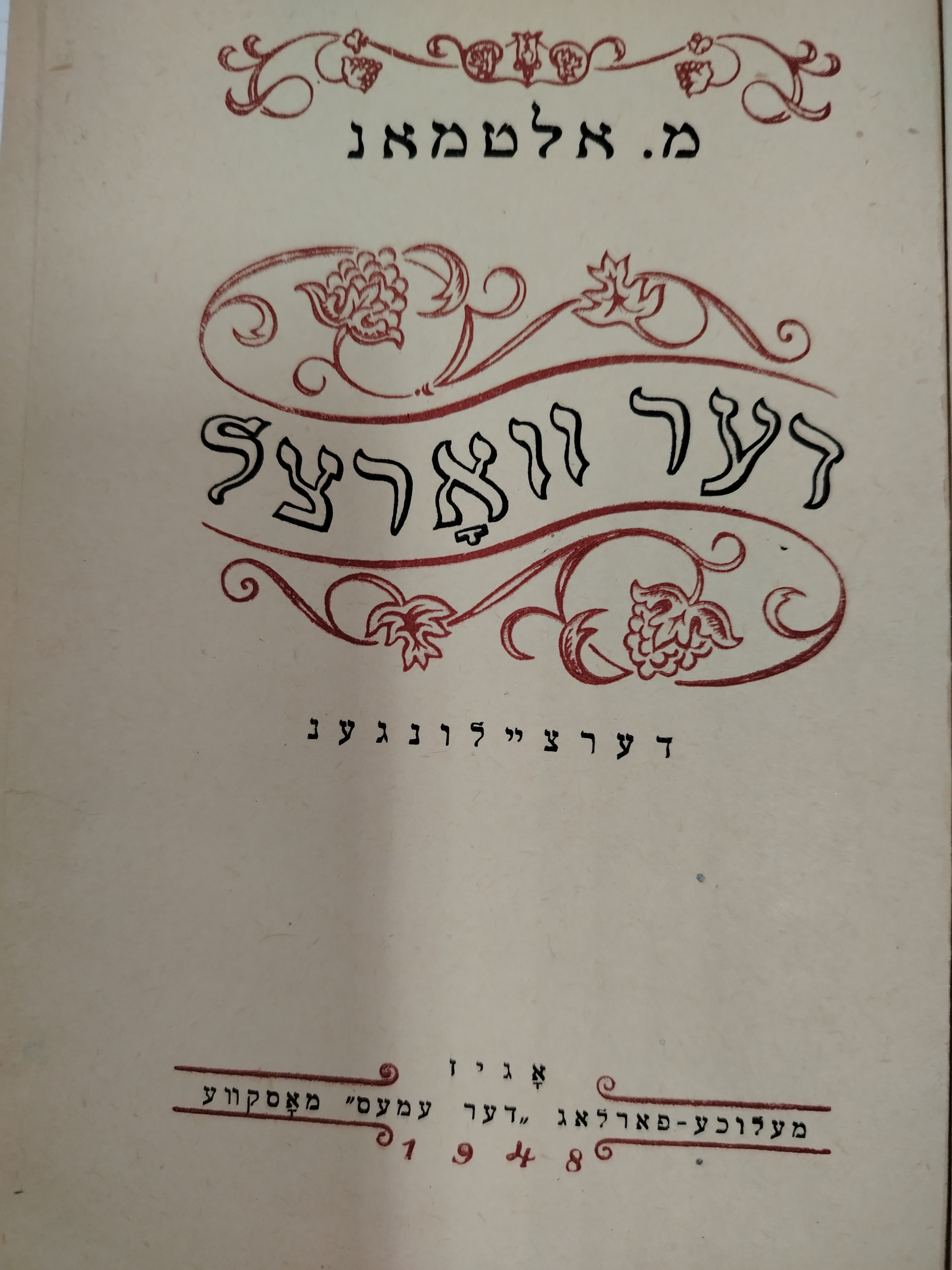
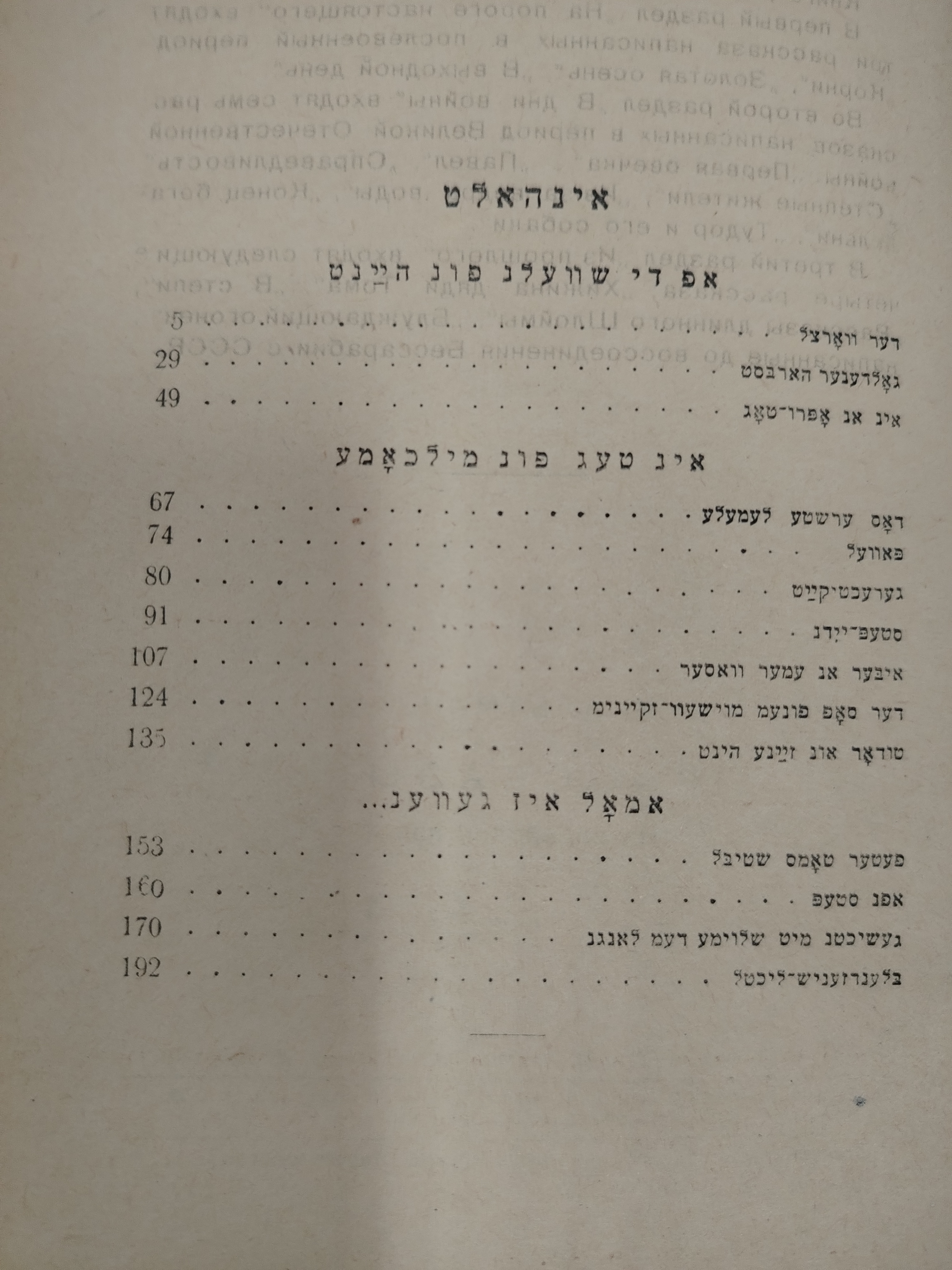
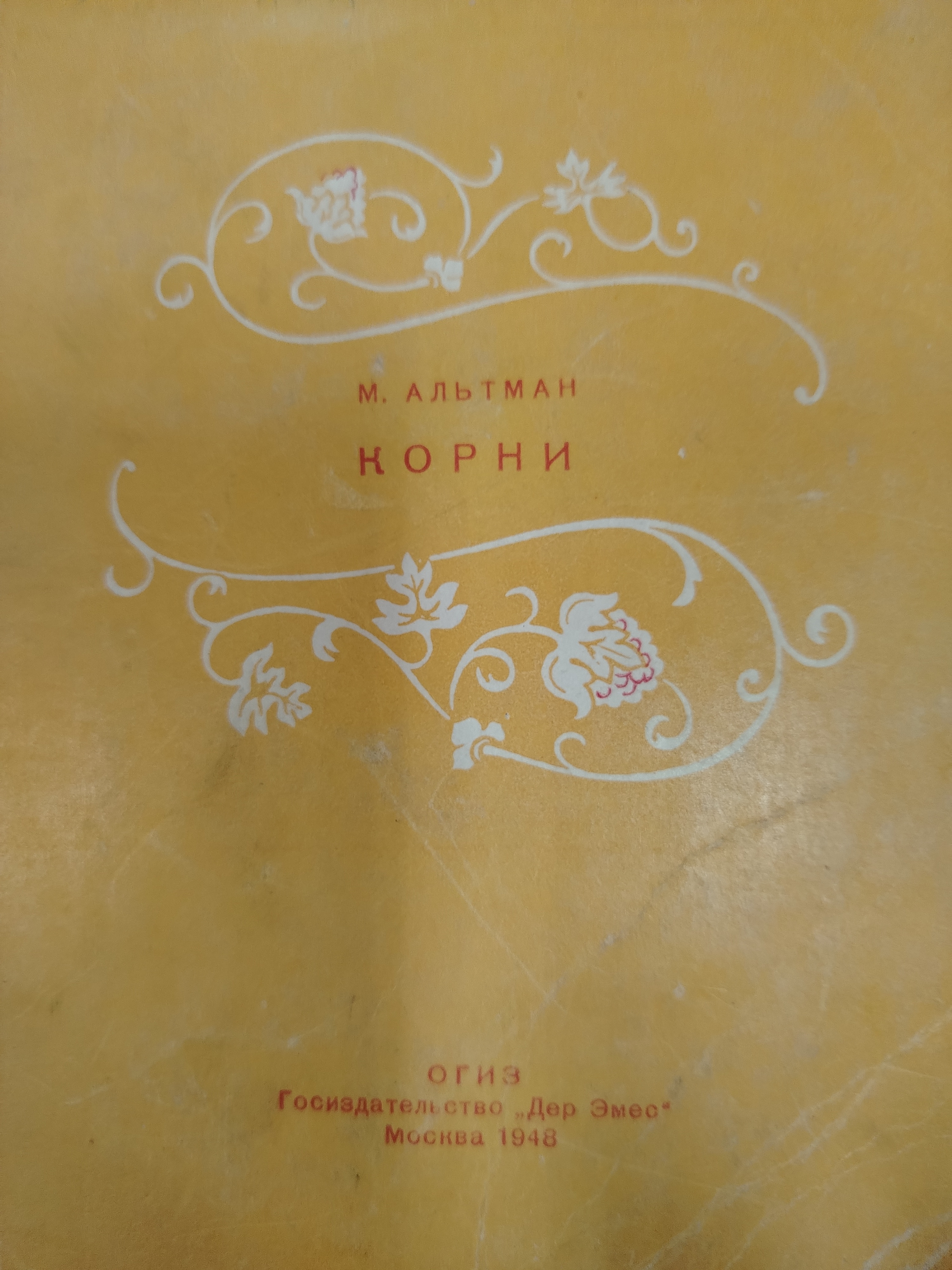
Der Vortsl (The Root) (Moscow, 1948);
Geklibene Verk (Collected Works), in the series L. M. Shteyn Folks-Biblyotek, with an introduction by Sh. Bikl (New York, 1955), 332 pp.;
Oysgeveytle Shriftn (Collected Writings) (Bucharest, 1980), 351 pp.;
Baym Fentster (At the Window) (Moscow, 1980).
Altman’s poetry remained dispersed throughout various and sundry serial publications. Also, his dramas, which he staged in Bucharest together with Y. Shternberg, were not issued in book form.
His work was included in the anthology In Undzere Teg (In Our Time) (Moscow: Sovetski Pisatel, 1983) 558 pp. edited by Arn Vergelis.
Literary critics never seemed to name Altman as a thoroughly original poet or fiction writer. “A successful mixture of Jewish youth and brilliance with a Russian moralistic problematic and a French subtlety of form,” wrote Shloyme Bikl.
Sources: Zalmen Reyzen, Leksikon, vol. 1; B. Tutshinski, in Bodn 1-2 (New York) (1934); Y. Shtern, in Haynt (Warsaw) (March 8, 1935); A. Shvarts, in Literarishe Bleter (November 4, 1935); Y. Rapoport, in Tsukunft (March 1937); Y. Boshever, in Tsukunft (August 1940); Sh. Rozhanski, Dos Yidishe Gedrukte Vort un Teater in Argentine (The Published Yiddish Word and Theater in Argentina) (Buenos Aires, 1941), p. 192; Sh. Bikl, Detaln un Sakhaklen (Details and Sum total) (New York, 1943), pp. 240-51; Tog (November 20, 1949); Y. Botoshanski, in Mame-Yidish (Mother Yiddish) (Buenos Aires, 1949), pp. 119, 127; Y. Yonasovitsh, in Ilustrirte Literatishe Bleter (Buenos Aires), no. 3-4 (1953); Tog-Zhurnal (New York) (December 15, 1955).