
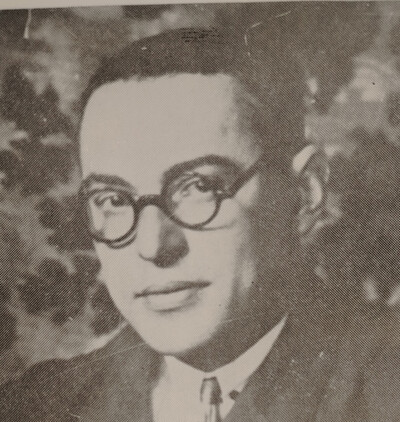
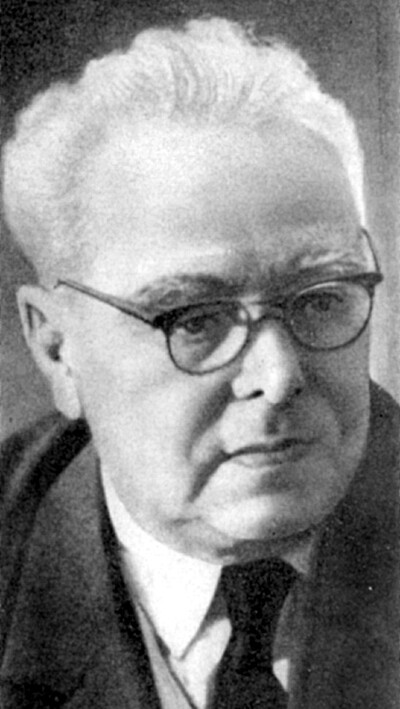
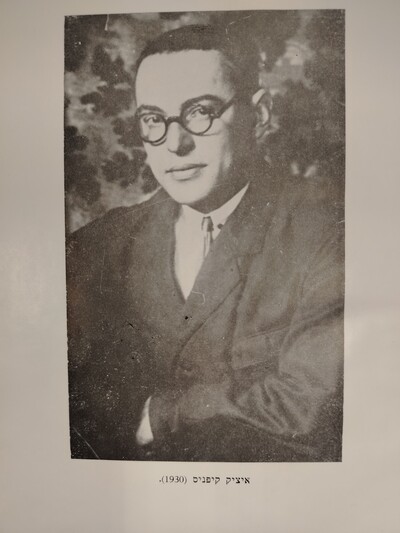
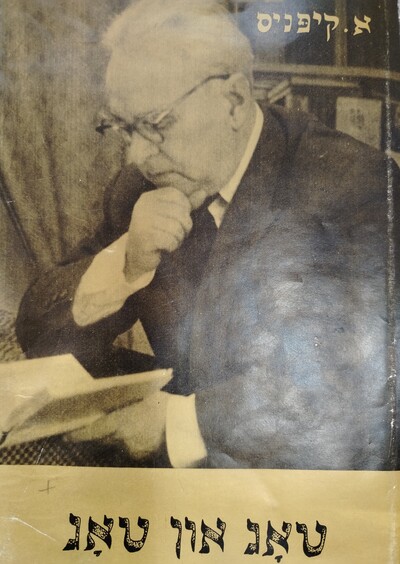
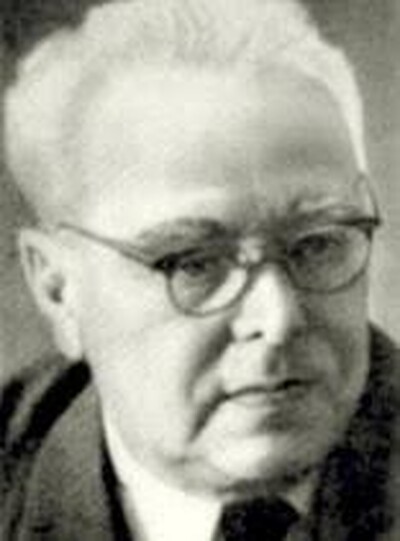
Kipnis, Itsik
December 12, 1896–April 16, 1974
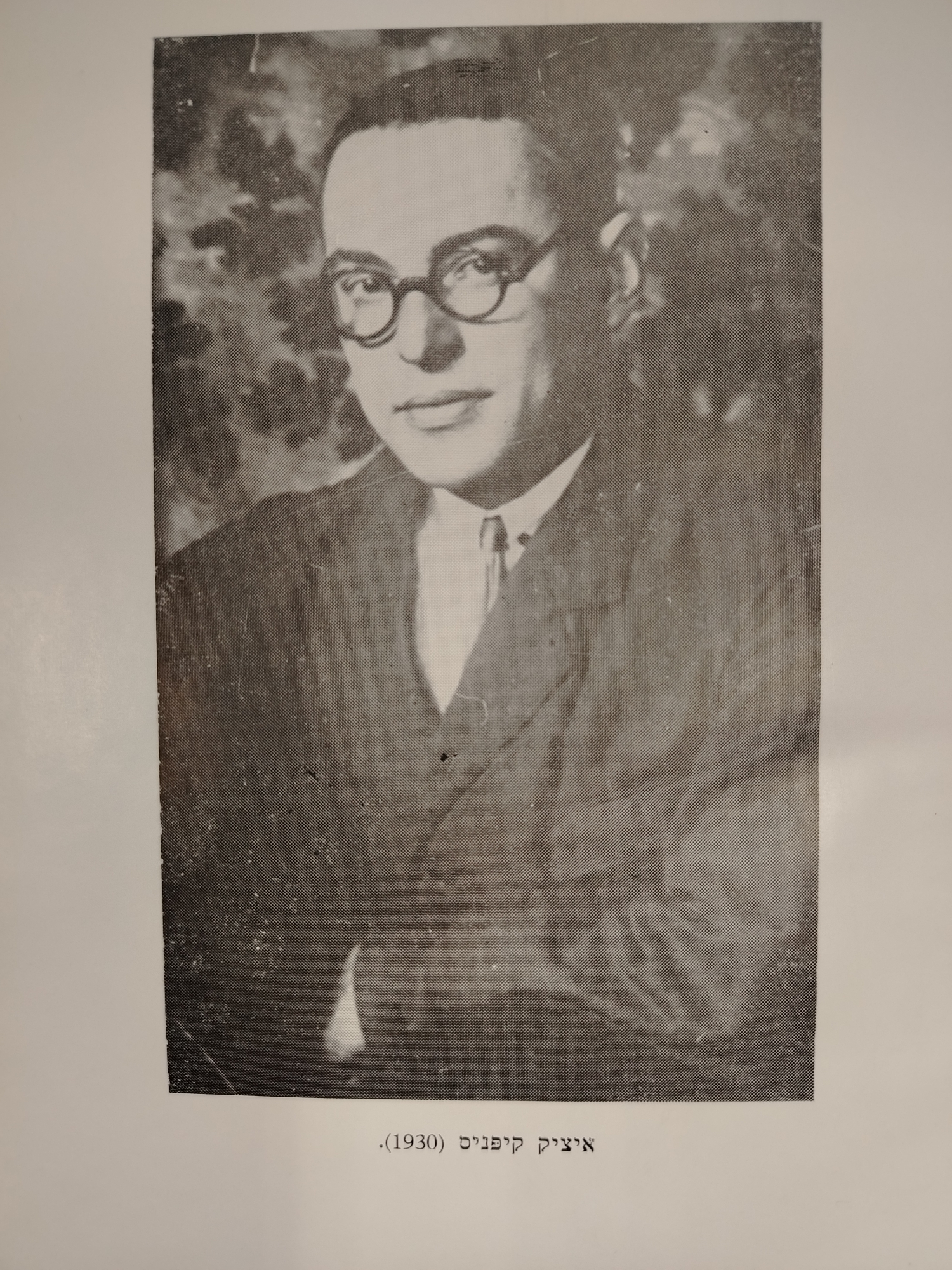
He was a prose writer, a poet, and a playwright, born in Sloveshne (Slovechne), Zhytomyr district, Volhynia. His father (Nokhum), a well-educated man and a follower of the Jewish Enlightenment, a man with a flair for music, a lover of violin playing, a tanner and son of a tanner by trade, had Itsik study in religious elementary school until his bar mitzvah and with private tutors at home. A year after his bar mitzvah, with short breaks, he worked with his father and also in other tanneries in the town and in the nearby environs.
In the early 1920s, he was sent by the leather association to Kiev to pursue his studies. There he befriended Dovid Hofshteyn, joined a circle of Yiddish writers, and began publishing.
He debuted in print in 1922 in the field of children’s literature in the Kiev monthly journal Freyd (Happiness) and Shtrom (Current) in Moscow. That same year he published his first prose booklet, Mayselekh far Kleyne Kinder (Stories for Small Children), and the following year his poetry collection Oksn (Oxen) (Kiev: Vidervuks, 1923), 23 pp.
The simplicity and folkish quality of his style made him one of the finest children’s writers in modern Yiddish literature. He published numerous children’s books, original, adapted, and translated.
After the publication of Oksn, he realized that prose was his genre. From the start he brought to Soviet Yiddish literature his own distinctive style, an approach to the life events—with apparent naïveté—with which his characters were endowed. It was done, to be sure, with a sincerity of the highest degree.
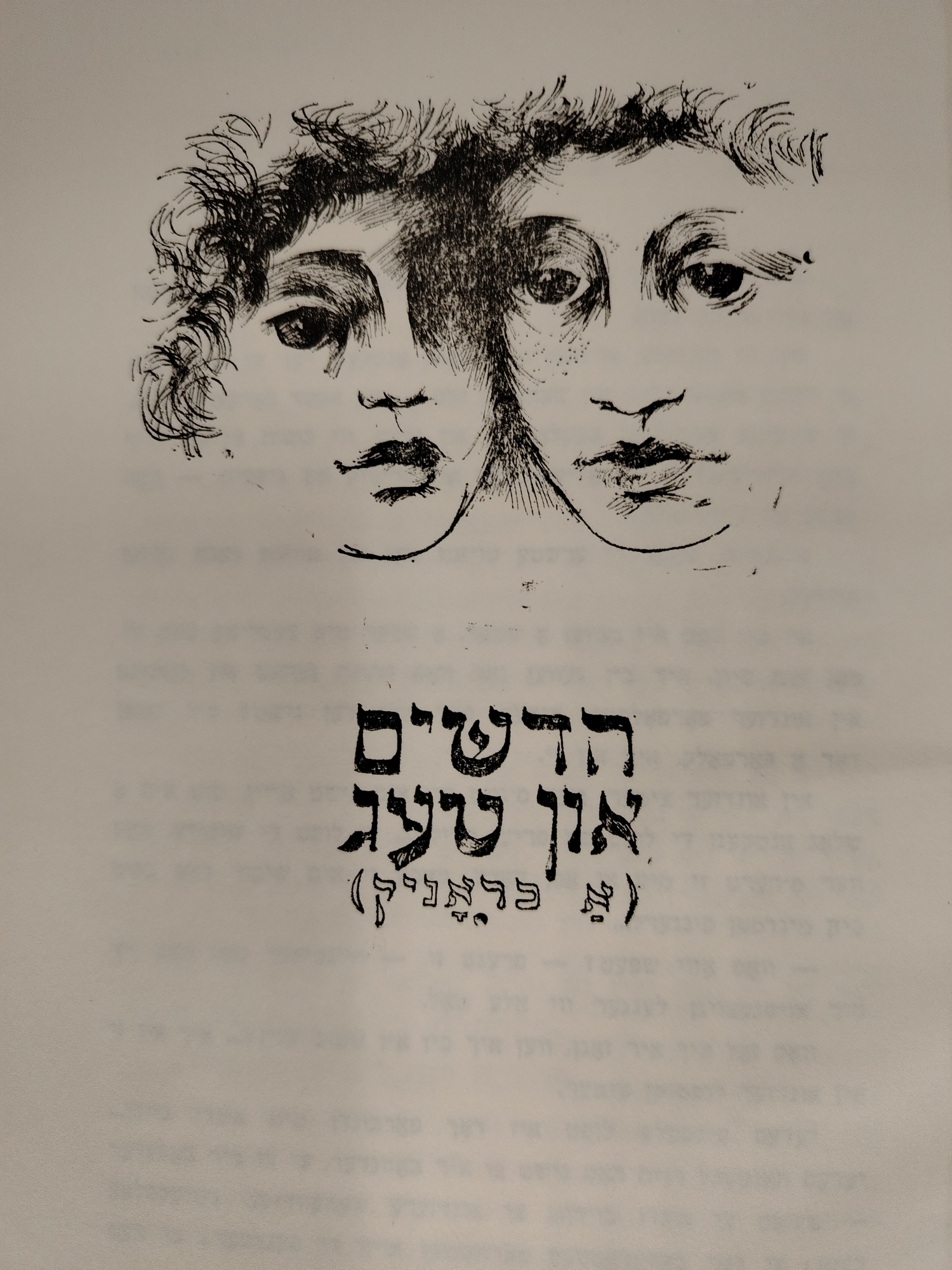
He made a great impact with his book Khadoshim un Teg, a Khronik (Months and Days, a Chronicle) (Kiev: Kultur-Lige, 1926), 249 pp. and drew the notice of readers and critics of the highest caliber both in the Soviet Union and abroad. It masterfully describes a Jewish life and in his own innovative manner, lyrically and with a folkish bent, with love for the simple common man.
In the words of Zalmen Reyzen: “In the style of the primitive, idyllic, Kipnis describes in his book the Ukrainian Jewish shtetl, the war, the distant revolution, the terrifying pogroms. The tone vacillates between chronicle and lyricism, and it is more a lyrical autobiographical story than a chronicle.”
In a foreword to the book, Yitskhok Nusinov took pains to justify Kipnis’s “non-proletarianism,” but he did not succeed in protecting him. Despite the impression made by the artistic vigor of his descriptions, the “proletarian,” leftist-disposed critics attacked him because of the “apolitical and petit bourgeois nature” of his lyricism and his idyllic sorrow. He was frequently criticized because he defended himself against the factional pressure on his writing, and several times he was expelled from the writers’ association. This was the beginning of a critique that hung over his head for many years thereafter. Whenever at public conferences and writers’ meetings, people were compelled to invoke instances of “bourgeois nationalism” or “petit bourgeois-ism,” without fail they brought up his name. He lived with this persecution throughout his life.
With the outbreak of the Soviet-German war, Kipnis left Kiev with the evacuation, returning with the liberation in 1944, and on the third anniversary of the massacre at Babi Yar wrote a moving lament and call to national revival—in Untervegns un Andere Dertseylungen (Under Way and Other Stories), pp. 347-52.
The last time he was expelled from the writers’ association (before his arrest on June 23, 1949) was the complaint linked to his story “On Khokhmes, on Khezhboynes” (Without Giving it a Thought). This was a Holocaust-related story of May 19, 1947, in which he wrote: “We wish that all Jews who are now waling about with a hearty, singing gait over the streets of Berlin should carry on their shoulders, side-by-side with their medals and decorations, a small, beautiful star of David as well. He [Hitler] wanted everyone to see that this is a Jew who suffered, was abused, and scorned by him. I feel as though everyone should see that I am a Jew, and my Jewish and human worth is among all freedom-loving citizens with nothing diminished.” (This citation is taken from the version in Dos Naye Velt [The New World] in Lodz; in Eynikeyt [Unity] in Moscow, they cut out this passage.) And for this he was expelled from the writers’ association.
In late 1948 Kipnis was arrested and exiled to a camp in the North. But, happily, Kipnis was not broken physically or spiritually in the camp to which he was sent. After Stalin’s death and his rehabilitation (exoneration), he was freed in 1956, but for a time he was not allowed to reside in Kiev, and so he lived in Boyarka, near the city. In 1958 he received permission to return to Kiev, where he died.
From 1922 he was contributing to: Shtrom in Moscow; both anthologies of Barg Aroyf (Uphill) in Kiev (1922, 1923); Kiev’s Komfon (Communist banner); Di Royte Velt (The Red World) and Shtern (Star) in Kharkov; Ukrayine (Ukraine) (Kiev, 1926); Lenin un di Kinder, Kinstlerishe Zamlung far Kinder (Lenin and the Children, Artistic Collection for Children) (Kharkov-Kiev: Ukrainian State Publishers for National Minorities, 1934); Almanakh, fun Yidishe Sovetishe Shrayber Tsum Alfarbandishn Shrayber-Tsuzamenfor (Almanac, from Soviet Jewish Writers to the All-Soviet Conference of Writers) (Kharkov: Ukrainian State Publishers for National Minorities, 1934), appearing in the journal Farmest (Competition) 5-6; Sovetishe Literatur (Soviet Literature); and other Soviet publications.
His stories were also published in various periodicals outside the USSR, such as: Literarishe Bleter (Literary Newspaper) and Khalyastre (The Gang) in Warsaw; Frayhayt (Freedom) and Morgn-Frayhayt (Morning Freedom) in New York; and elsewhere. His last work, published while he was still living, entitled “Amol iz Geven a Meylekh” (There Was Once a King), was published in Yidishe Kultur (Jewish Culture) (New York) 6, 7 (1973), 2, 4 (1974).
He translated a series of general works, mostly of children’s literature, such as:
Ernest Thompson Seton, Di Kleyninke Proim oder a Mayse (The Little Savages or a Story [original: Two Little Savages]) (Kiev: Kultur-Lige, 1925), 223 pp.;
Jack London, Bek (Goats [original: Call of the Wild]) (Kiev: Kultur-Lige, 1925), 94 pp.;
Arturo Carotti, Nina un Tshiko Kegn di Fashistn (Nina and Chico Against the Fascists) (Kiev: Kultur-Lige, 1925), 130 pp.;
Émile Zola, Dos Geviser (The Flood [original: L’Inondation]) (Kiev: Kultur-Lige, 1925), 30 pp.;
Fridtjof Nansen, In Nakht un Ayz (In Night and Ice) (Kiev: Kultur-Lige, 1925), 62 pp.;
Volodymyr Vynnychenko, Fedke Khalemitnik (Fedko the Troublemaker [original: Fedko-Khalamydnyk]) (Kiev: Kultur-Lige, 1926), 41 pp.;
A. Kuprin, Der Vayser Pudel (The White Poodle [original: Belyi Pudel']) (Kiev: Kultur-Lige, 1926), 52 pp.;
D. Grigorovich, Dos Gumene Ingele (The Rubber Boy [original: Guttaperchevyi mal'chik]) (Kiev: Kultur-Lige, 1927), 64 pp.;
M. N. Pokrovsky, 1905 (Kiev: Kultur-Lige, 1927), 62 pp.;
V. Dmitriev, Mayna Vira (Majna-Vira) and E. Yakhontov, Khabarda (Forward!) (Kiev: Kultur-Lige, 1927), 66 pp.;
Charles Dickens, Dovid Koperfield (David Copperfield) (Kiev: Kultur-Lige, 1928), 340 pp.;
Mark Twain, Hoklberi fin un zAyne Avantyures (Huckleberry Finn and his Adventures) (Kiev: Kultur-Lige, 1929), 349 pp.;
Ostap Vyshnia, Shmeykhlen (Smiles [original: Usmishki]) (Kharkov: Ukrainian State Publishers, 1929), 259 pp.;
Chekhov, Shlofn Vilt Zikh (I Want to Sleep [original: Spat khochetsya]) (Kharkov: Ukrainian State Publishers for National Minorities, 1930s), 31 pp.;
Kuzma Garbunov, Dos Ayz Geyt, Roman (The Thaw, a Novel [original: Ledolom]) (Kiev: Kultur-Lige, 1930), 287 pp.;
L. Vepritskaia, Tob Ivanovitsh in Kinder-Gortn (Tob Ivanovich in Kindergarten [original: Tiab Ivanovich u Ditiachomu Sadku]) (Kiev: Kultur-Lige, 1930), 26 pp.;
Yakov Kal'nitskii, Khushi (Khushi) (Kiev: Kultur-Lige, 1930), 47 pp.;
S. Bogdanovich, Pyoter Kropotkin (Pyotr Kropotkin) (Kiev: Kultur-Lige, 1930), 163 pp.;
V. Bianco, Afn Groysn Yam-Veg (On the Great Route) (Kiev: Kultur-Lige, 1930), 71 pp.;
Menukhe Bruk, Draytsn Undzere (Our Thirteen) (Kiev: Kultur-Lige, 1930), 71 pp.;
Nikolai Oleynikov, A Vunderlekher Yontev (A Wonderful Holiday) (Kiev: Kultur-Lige, 1930), 16 pp.; and
Oleynikov, Tankes Azelkhe, ober Shlitlekh Avelkhe (Such Tanks, but Such Sleds [original: Tanki i Sanki]) (Kiev: Kultur Lige, 1930), 19 pp.;
V. Shklovsky, Gardi der Tsveyter (Gardi II) (Kiev: Kultur-Lige, 1930), 19 pp.;
Miguel de Cervantes, Don Kikhot, Zayne Aventyures, un Alts, Vos Mit Im Hot Pasirt (Don Quixote, his Adventures and All That Happened to Him) (Kiev: Kultur-Lige, 1930), 413 pp.;
A. Serafimovich, Af der Ayznban (On the Train) (Kiev: Kultur-Lige, 1930), 39 pp.;
Serafimovich, Der Tsunoyfshliser (The Interlacer) (Kiev: Kultur-Lige, 1930), 31 pp.;
Feliks Kon, Unter der Fon fun Revolutsye (Under the Banner of Revolution [original: Pod Znamenem Revoliutsii, Vospominaniia (Under the Banner of Revolution, Memoirs)]) (Kharkov: Ukrainian State Publishers for National Minorities, 1933), 196 pp.;
Daniel Defoe, Robinzon Kruzo, Zayn Lebn un Ale Modne Umgeherṭe Pasirungen, Ṿos Hobn Zikh Miṭ Im Geṭrofn (Robinson Crusoe, his Life and All the Strange Surprising Adventures That Befell Him) (Kharkov: Ukrainian State Publishers for National Minorities, 1935), 245 pp.;
Aleksei Ivanovich Lebedev, Tsum Ayzin Harts fun der Arktik (To the Frozen Heart of the Arctic [original: K ledianomu serdtsu Arktiki]) (Kiev: Ukrainian State Publishers for National Minorities, 1936), 347 pp.;
Jules Verne, Dem Kapitan Grants Kinder (Captain Grant’s Children [original: Enfants du Capitaine Grant]) (Kharkov-Odessa: Kinder-Farlag, 1937), 639 pp.;
François Rabelais, Gargantyua un Pantagriel (Gargantua and Pantagruel [original: La vie de Gargantua et de Pantagruel] (Kiev: Ukrainian State Publishers for National Minorities, 1940), 290 pp.
We have no bibliographic information for Kipnis’s translation of Panait Istrati’s Mayne Vanderungen (My Wanderings).
His work also appeared in: Yugnt (Youth); Shlakhtn (Battles) (Kharkov-Kiev, 1932); Komsomolye (Communist Youth) (Kiev, 1938); Af Naye vegn (On New Roads) (New York, 1949); Lo amut ki eḥye (I Shall Not Die but Live on) (Merḥavya, 1957); Dertseylungen fun Yidishe Sovetishe Shrayber (Stories by Soviet Yiddish Writers) (Moscow: Sovetski Pisatel, 1969).
His own works, children’s stories:
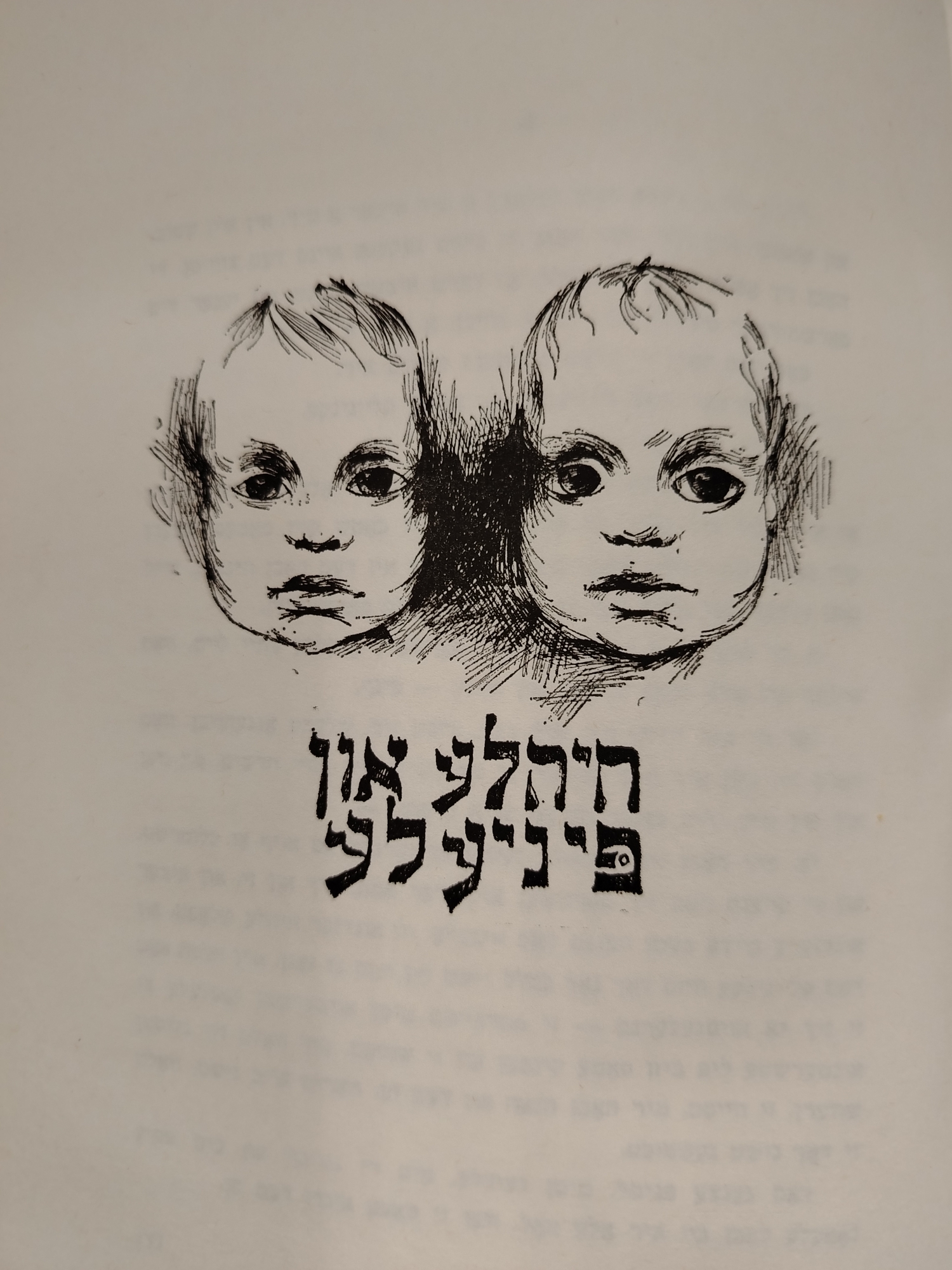
Mayselekh far kleyne kinder (Kiev: Kultur-Lige, 1922), 58 pp.; Hoyf khaveyrim (Courtyard friends) (Kiev: Kultur-Lige, 1923), 12 pp.; Hinde un hershele (Hinde and Hershele) (Kiev: Kultur-Lige, 1923), 12 pp.; Mayselekh (Stories) (Kiev: Kultur-Lige, 1923), 16 pp.; Dos tsigaynerl (The little Romani) (Kiev: Kultur-Lige, 1923), 64 pp.; Dos pantofele (The little slipper) (Kiev: Kultur-Lige, 1923), 12 pp.; A ber iz gefloygn (A bear was flying) (Kiev: Kultur-Lige, 1923), 37 pp.; Di farshterte khasene, kinder pyese in eyn akt (The spoiled wedding, a children’s play in one act) (Kiev: Kultur-Lige, 1924), 18 pp.; Rusishe mayselekh (Russian tales) (Kiev: Sorabkop, 1924), 50 pp.; Mayselakh (Stories) (Kiev: Kultur-Lige, 1924 [should be date: 1927]), 69 pp.; O a (OA) (Minsk: Central Publishers, 1929), 23 pp.; Undzer meydele lane (Our girl Lana) (Kiev: Kultur-Lige, 1929), 35 pp.; In klem (In a predicament) (Kiev: Kultur-Lige, 1929), 35 pp.; Tateshi, tateshi un andere mayselekh (Daddy, daddy, and other stories) (Minsk: Byelorussian State Publishers, 1929), 49 pp.; S’kert zikh a velt (The world turns), a play for young people (Minsk: Byelorussian State Publishers, 1929), 44 pp.; Ot ver mir iz haynt gefeln (Whom do I like today), poetry (Moscow-Minsk: Central People’s Publishers, USSR, 1930), 41 pp.; Dodl un shay-khali (Dodl and Shay-Khali), a poem (Moscow: Central People’s Publishers, USSR, 1930), 13 pp.; Mayselekh (Moscow: Central Publishers, 1930), 23 pp.; Shtendik greyt, a gegramte poeme far kinder (Always prepared, a rhymed poem for children) (Moscow: Central People’s Publishers, USSR, 1930), 26 pp.; Buru-muru, mayselekh far kleyne kinderlekh (Buru-Muru, stories for little children) (Kharkov-Odessa: Kinder-farlag, 1935), 17 pp.; A nomen vet shoyn zayn (A name will be there) (Kharkov-Odessa: Kinder-farlag, 1935), 28 pp.; Freyd, dertseylungen far kinder (Happiness, stories for children) (Minsk: Byelorussian State Publishers, 1935), 86 pp.; A sheyne ordenung (A lovely arrangement) (Moscow: Emes, 1936), 31 pp.; Durovs shul (Durov’s school), a poem (Moscow: Emes, 1937), 16 pp.; Kleyne dertseylungen (Short stories) (Kiev: Ukrainian State Publishers for National Minorities, 1937), 30 pp.; Az der zeyde iz geshlofn (When Grandfather slept) (Kiev: Ukrainian State Publishers for National Minorities, 1938), 28 pp.; Yung un alt (Young and old) (Odessa: Kinder-farlag, 1938), 81 pp.; Tsip, tsip, bobinke (Little, little, grandma) (Kiev: Ukrainian State Publishers for National Minorities, 1938), 72 pp.; Ver es lakht der letster (Who laughs last) (Moscow: Emes, 1939), 23 pp.; Der ershter trot (The first step) (Kiev: Ukrainian State Publishers for National Minorities, 1939), 148 pp.; Kleyn un groys (Little and big) (Kiev: Ukrainian State Publishers for National Minorities, 1939), 174 pp.; Far di kleyne kindervegs (For the little children’s ways) (Moscow: Emes, 1940), 43 pp.; Tog un tog (Day and day) (Tel Aviv: Perets Publ., 1980), 438 pp.; Yidishe mayselekh far kleyn un groys (Yiddish tales for young and old) (Jerusalem: Kind-un-keyt, 1980), 53 pp.
Other writings: Oksn (see above); Khadoshim un teg, a khronik (see above); Mayses un dertseylungen (Tales and stories) (Kharkov: Ukrainian State Publishers, 1929), 328 pp.; Dertseylungen (Stories) (Kharkov: Ukrainian State Publishers, 1930), 167 pp.; Zelik der radist un andere dertseylungen (Zelik the radio operator and other stories) (Moscow: Emes, 1933), 72 pp.; Khoreve nestn (Nests destroyed) (Kharkov-Kiev: Ukrainian State Publishers for National Minorities, 1933), 54 pp.; 12 dertseylungen (1922-1932) (Twelve stories, 1922-1932) (Kharkov-Kiev: Ukrainian State Publishers for National Minorities, 1933), 208 pp.; A land vos shaynt far der gantser velt (A land that shines before the entire world) (Kiev, 1937), 10 pp.; A kaylekhdik yor, dertseylungen (A circular year, stories) (Moscow: Emes, 1938), 41 pp.; Khane-rive geyt a tants, pyese in dray aktn (Khane-Rive goes dancing, a play in three acts) (Moscow: Emes, 1939), 61 pp.; Fun di yunge yorn (Of youthful years) (Kiev: Ukrainian State Publishers for National Minorities, 1939), 173 pp.; Di shtub (The house), a novel in three parts (Kiev: State Publishers, 1939), 244 pp.; Tsum nayem lebn (To a new life), stories (Kiev: State Publishers, 1940), 137 pp.; Di Tsayt geyt, bilder un dertseylungen (Time goes by, images and stories) (Kiev: Ukrainian State Publishers for National Minorities, 1940), 286 pp.; Untervegs un andere dertseylungen (Under way and other stories) (New York: IKUF, 1960), 352 pp.; Tsum lebn, dertseylungen (To life, stories) (Moscow: Sovetski Pisatel, 1969), 294 pp.; Mayn shtetele sloveshne (My small town, Slovechne) (Tel Aviv: Perets Publ., 1971), 465 pp. (In accordance with the wishes of the author, revisions were made in this publication, and several chapters were added from the first, unpublished variant of Afn vihon [In the pasture], of which small fragments were published in Royte velt [Red world] in 1927.)[1]
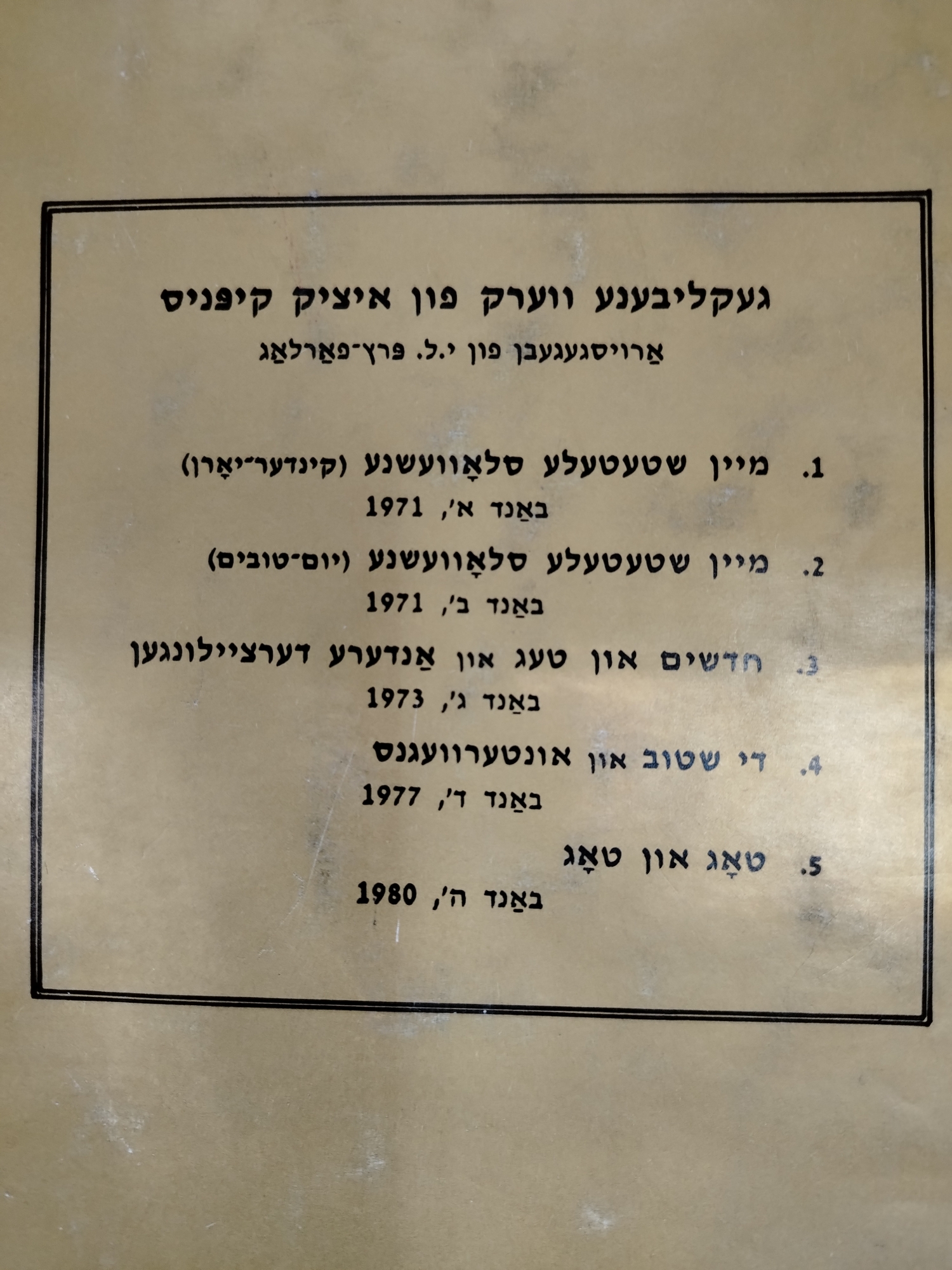
Five of his books were issued as a series by Y. L. Perets Farlag, as Geklibene Verk fun Itsik Kipnis:
Vol. 1. Mayn Shtetele Sloveshne (Kinder-Yorn) (My Dear Town Sloeshne - Childhood Years), 1971.
Vol. 2. Mayn Shtetele Sloveshne (Yun-Toyvim) (My Dear Town Sloeshne - Holidays), 1971.
Vol. 3. Khadoshim un Teg un Andere Dertseylungen (Months and Days and Other Short Stories), 1973.
Vol. 4. Di Shtub un Untervegns (The Dwelling and Underpasses), 1977.
Vol. 5. Tog un Tog (Day and Day), 1980.
— See selected images:
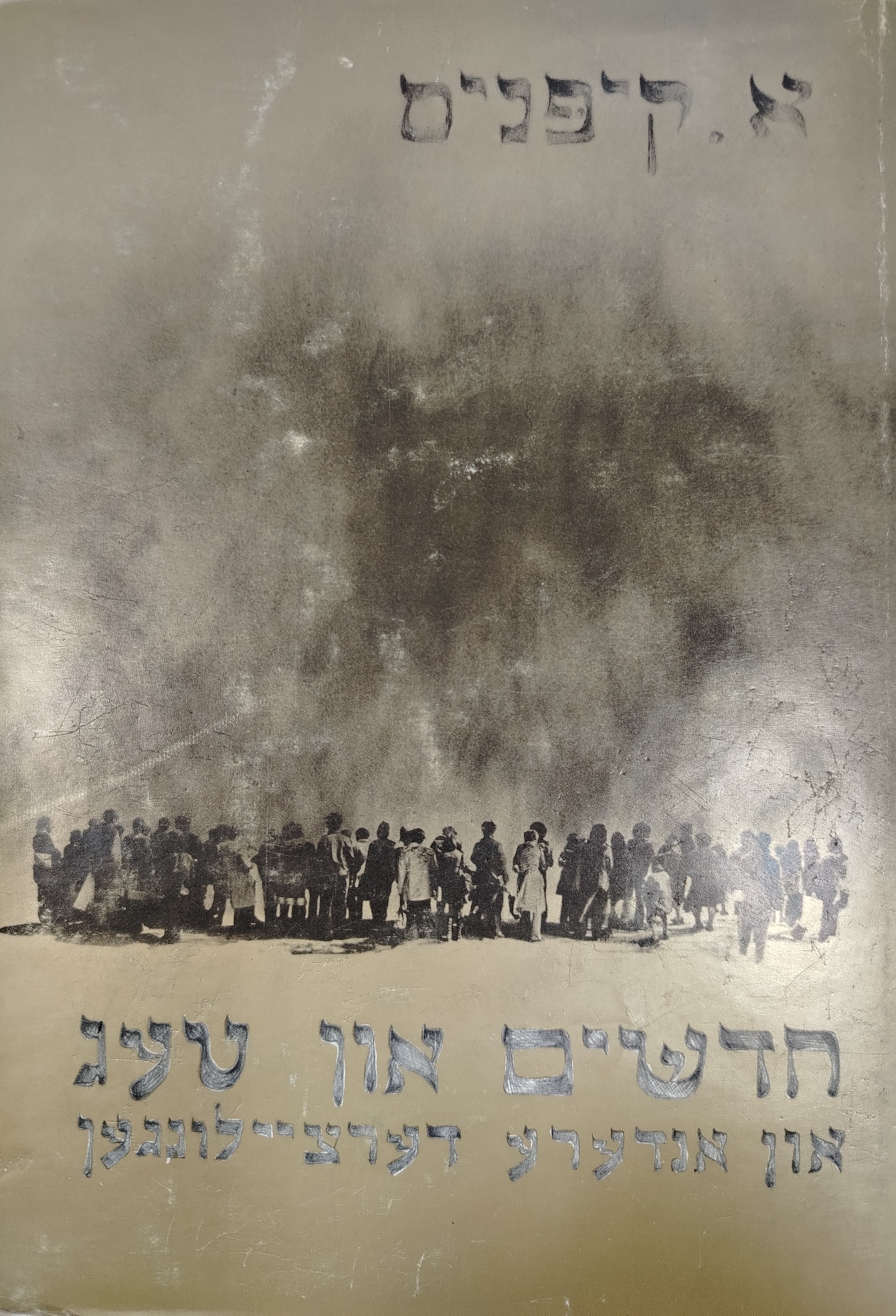
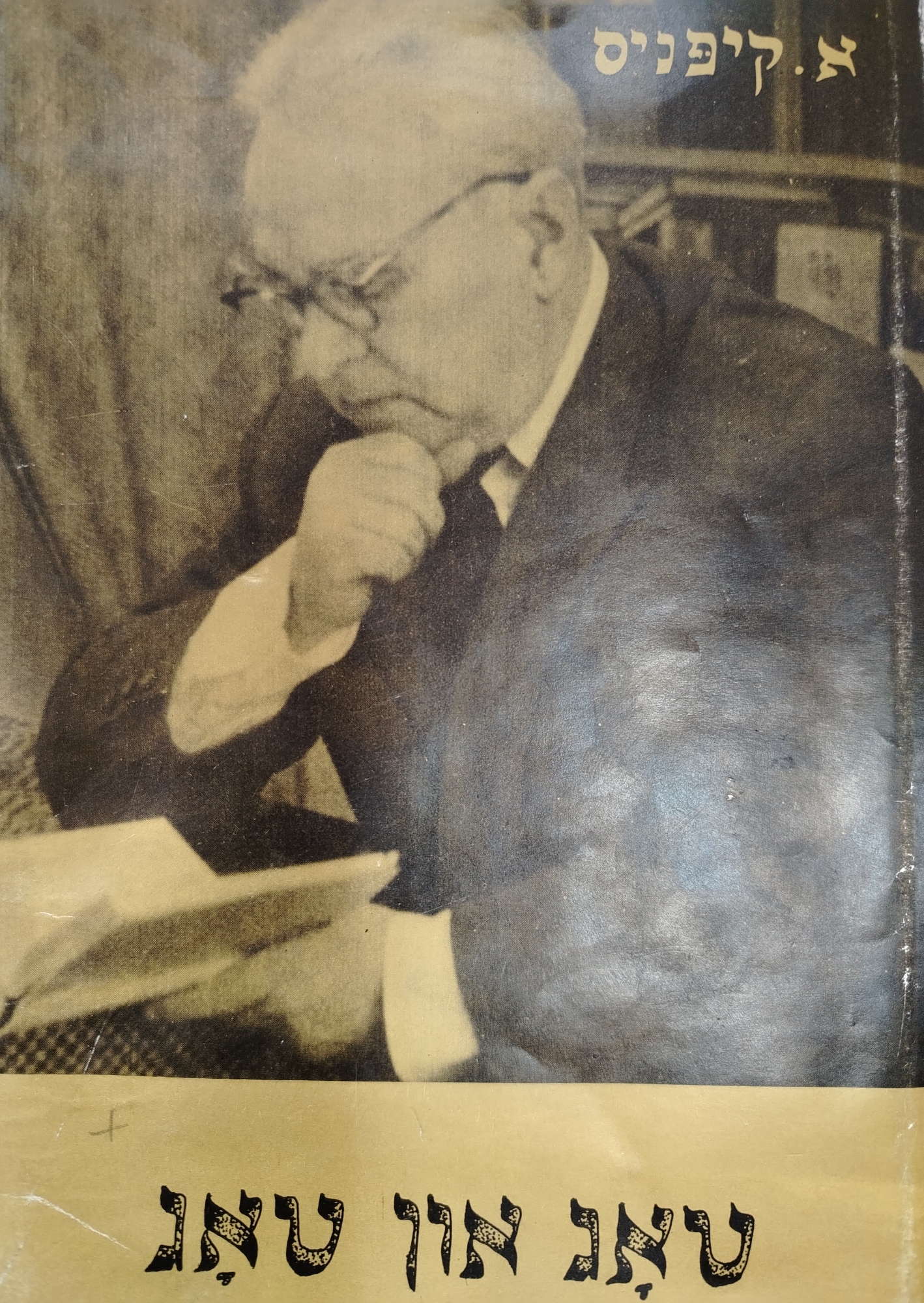
“Just as an aroma,” noted Dovid Bergelson, “reminds you that there is no comparable, similar one that you might have sensed, so the book Khadoshim un Teg reminds you in its fundamental tone of a comparably rare and great book. For a moment you will not believe your own eyes—so successful is the internal voice of this book to the voice of a beloved and heartfelt acquaintance. His name is: Motl Peysi the cantor’s son.”
“Without a doubt,” wrote Meyer Viner, “Kipnis is…one of the most talented and strongest writers of Soviet Yiddish prose. There are here points and pages of masterful [writing]. In certain artistic details, for example, for intimate lyricism—which for him is bound to a thoroughgoing method of realistic description—and for intensity, immediacy, and originality in painting of mood and genre (people, animals, landscape, items, conditions of nature, and the like)—he has assumed an independent place in Soviet Yiddish literature.”
“If in Khadoshim un Teg one can with more or less justification (more less than more) speak of an influence from Sholem-Aleichem on Kipnis,” noted Shloyme Bikl, “then in Untervegns (Under way) this is vivid and clear, as Dovid Bergelson, the author of Nokh Alemen (When All Is Said and Done) [Vilna, 1913] and Opgang (Sewage) [Kiev, 1920], has not had such a writerly close and devoted a pupil as Itsik Kipnis…. It is entirely possible that Bergelson’s healthy critical sensibility aroused in Kipnis’s manner of writing at the time the Bergelson scent, and Kipnis thus became fond of him, and he was extravagant with praise.”
Kipnis often wrote and demonstratively in the years following his release from the Gulag and detention as Yitskhok.
1] A lengthy bibliography of Kipnis’s dozens of original children’s books may be found in Chone Shmeruk, comp., Pirsumim yehudiim babrit-hamoatsot, 1917-1961 (Jewish Publications in the Soviet Union, 1917-1961) (Jerusalem, 1961), nos. 2672-2704.
[1] A lengthy bibliography of Kipnis’s dozens of original children’s books may be found in Chone Shmeruk, comp., Pirsumim yehudiim babrit-hamoatsot, 1917-1961 (Jewish Publications in the Soviet Union, 1917-1961) (Jerusalem, 1961), nos. 2672-2704.
Sources: Zalmen Reyzen, Leksikon, vol. 3; Chone Shmeruk, comp., Pirsumim yehudiim babrit-hamoatsot, 1917-1961 (Jewish Publications in the Soviet Union, 1917-1961) (Jerusalem, 1961), see index; Aleksander Pomerants, DI Sovetishe Haruge Malkhes (The [Jewish writers] Murdered by the Soviet Government) (Buenos Aires, 1961), pp. 17-18, 491; Dovid Bergelson, in Frayhayt (New York) (March 27, 1927); Bergelson, in Literarishe Bleter (Warsaw) 29 (1929); Yashe Bronshteyn, Atake (Attack) (Moscow-Minsk, 1931), pp. 306-18; Meyer Viner, foreword to Kipnis, 12 Dertseylungen (Twelve Stories) (Kharkov-Kiev: USSR state publishers for national minorities, 1933); Literarish-Kritishe Etyudn (Literary Critical Studies) (Kiev, 1940); Shmuel Niger, Yidishe Shrayber in Sovet-Rusland (Yiddish Writers in Soviet Russia) (New York, 1958), pp. 132-38; Nakhmen Mayzil, introduction to Kipnis, Untervegns (New York: IKUF, 1960); Yidishe Shriftn (Warsaw) 3 (1962); Shloyme Belis, Portretn un Problemen (Portraits and Problems) (Warsaw: Yidish Bukh, 1964), pp. 95-107; Shloyme Bikl, Shrayber fun Mayn Dor (Writers of My Generation), vol. 2 (Tel Aviv, 1965); Ester Rozental-Shnayderman, in Di Goldene Keyt (Tel Aviv) 61 (1967); A. Gilboa, in Moznaim (Tel Aviv) (April-May 1968); Gitl Mayzil, introduction to Kipnis, Mayn Shtetele Sloveshne (My Small Town, Slovechne) (Tel Aviv: Perets Publ., 1971); B. Grin, in Morgn-Frayhayt (New York) (June 2, 1974); Dovid Sfard, in Yisroel-Shtime (Tel Aviv) (June 12, 1974); M. Ḥizkuni (Moyshe Shtarkman), in Hadoar (New York) (Sivan 3 [= May 24], 1974); M. Altshuler, Yahadut berit-hamoatsot baaspaklarya shel itonut yidish bepolin, bibliyografya 1945-1970 (The Jews of the Soviet Union from the Perspective of the Yiddish Press in Poland, Bibliography) (Jerusalem, 1974/1975), pp. 163-64.
More information for Ver es lakht der letster (Who laughs last) (Moscow: Emes, 1939), 23 pp. :
The edition is illustrated by S. Kremer.
Contents :
1. װער עס לאכט דער לעצטער
2. אינ א פרײער שא
1. Ver es lakht der letster (Who laughs last)
2. In a frayer sho (In an early hour)
More information for A sheyne ordenung (A lovely arrangement).- Kharkov; Odes : Kinder-farlag bam Ts.K. L.K.Yu.F.U., 1936.- 30, [2] pp., [4] col. ill.
The edition is illustrated by G. Bondarenko = Бондаренко, Григорий Антонович (1892-1969)
געמעלנ פונ קינסטלער באנדארענקא
Contents :
1. א שײנע ארדענונג
2. א זיסנ שלאפ
3. נישט דערלױבט
4. דאס מאשינקעלע - לאנג מױל אונ לאנגע אױערנ
1. A sheyne ordenung (A lovely arrangement)
2. A zisn shlof (A sweet sleep/slumber)
3. Nisht derloybt (Not allowed)
4. Dos mashinkele - lang moyl un lange oyern (A small machine - long mouth and long ears) The story is about a telephone apparatus.
Correction : Gest (Guests)
More information for A nomen vet shoyn zayn (A name will be there) (Kharkov-Odessa: Kinder-farlag, 1935), 28 pp.:
The edition is illustrated by Yosef Dayts (1897-1954)
Contents :
1. א נאמענ װעט שױנ זײנ
2. געסט
3. דאס קירבעסל אונ דאס קאװנדל
1. A nomen vet shoyn zayn (A name will be there)
2. Gest (Guest)
3. Dos kirbesl un dos kavndl (A small pumpkin and a small watermelon)
There is an edition of In klem (In a predicament) (Kiev: Kultur-lige, 1929) that has 49, [1] pp. and one more story In vald (In forest). - Serie : Shul - un Pionern - bibliotek # 38.
אין קלעם; אין װאלד
י. קיפניס
Kipnis translated into Yiddish an extract from Bela Ilesh's roman - Der vint fun mizrekh (orig.: Ветер с востока = The wind from the East).- Kharkov; Kiev: Tsentrfarlag : Alukrainishe opteylung, 1931.-47, [1] pp.- ill.
דער װינט פונ מיזרעכ
בעלא אילעש ; יידיש - אי. ק-ס
כארקאװ; קיעװ: צענטרפארלאג :אלוקראינישע אפטײלונג
Der vint fun mizrekh
Bela Ilesh; yidish - I. K-s
The edition includes autobiographical notes by Bela Ilesh (1895-1974), a Hungarian writer.
Kipnis did free translation of Jonathan Swift's Lemyuel Gulivers rayzes iber eynike zeyer vayte velt-teyln :derzelber Lemyuel Guliver, vos iz fun onfang geven a khirurg un dernokhdem a kapitan fun etlekhe yam-shipn (orig. Travels into several remote nations of the world by Lemuel Gulliver, first a surgeon, and then a captain of several ships).- Odes ;Kharkov : Kinder-farlag bam Ts.K. L.K.Yu.F.U., 1937.- 307, [4] pp., ill., portr.
לעמיועל גוליװערס רײזעס איבער אײניקע זײער װײטע װעלט-טײלנדערזעלבער לעמיועל גוליװער, װאס איז פונ אנפאנג געװענ א כירורג אונ דערנאכדעמ א קאפיטאנ פונ עטלעכע יאמ-שיפנ
דזשאנאטאנ סװיפט ; פרײ איבערזעצט - אי. קיפניס
Kipnis translated from Russian into Yiddish and reworked Rusishe folks-mayselekh (orig.: Русские народные сказки = Russian folk tales).- Kiev : Melukhe-farlag far di natsionale minderhaytn in USSR, 1939.- 54, [2] pp.
רוסישע פאלקס-מײסעלעכ
איבערזעצט אונ באארבעט - אי. קיפניס
Rusishe folks-mayselekh
iberzetst un baarbet - I. Kipnis
Contents :
האנדעלע אונ הינדעלע
דאס האנדעלע מיטנ ארבעסל
דער װאלפ
דאס האנדעלע אונ דאס מילכנדל
דער נאר
דאס שנײ-פײגעלע
קעצל-קאטער, באק אונ שאפ-באק
די גענדז
די ציגעלעכ אונ דער װאלפ
דער בערישער פוס
לוטאשל
די קאצ אונ דאס האנדעלע
די דרײ אײדעמס
1. Hondele un hindele
2. Dos hondele mitn arbesl
3. Der volf
4. Dos hondele un dos milkhndl
5. Der nar
6. Dos shney-feygele
7. Ketsl-koter, bok un shof-bok
8. Di gendz
9. Di tsigelekh un der volf
10. Der berisher fus
11. Lutoshl
12. Di kats un dos hondele
13. Di dray eydems
Kipnis translated from Russian into Yiddish N. Sher's Dos naye hoyz (orig.: Новый дом = A new House).- Kharkov ; Kiev : Melukhisher natsmindfarlag bam prezidium fun Vutsik, 1932.- 44 pp.
דאס נײע הױז
נ. שער ; ײדיש - אי. קיפניס ; הילע - ע. אײדלמאנ
Dos naye hoyz
N. Sher ; yidish - I. Kipnis ; [hile - E. Eydelman]
Kipnis translated from Russian into Yiddish Victor Shklovsky's Marko Polo der oysshpirer (orig.: Марко Поло - разведчик = Marko Polo - a scout).- Kiev; Kharkov : Melukhe-farlag far di natsionale minderhaytn in USRR, 1933.- 57, [3] pp.
מארקא פאלא
דער אױסשפירער
װיקטאר שקלאװסקי ; ײדיש - אי. ק-ס
Marko Polo der oysshpirer
Viktor Shklovsky ; yidish - I. K-s
Mistake correction in the title of the book :
Kipnis translated from Russian into Yiddish Victor Shklovsky's NANDU der tsveyter (orig.: Нанду II (it's the name of an ostrich) = Nandu II).- Kiev : Kooperativer farlag "Kultur-Lige", 1930.- 19, [1] pp., ill.
נאנדו דער צװײטער
װיקטאר שקלאװסקי ; ײדיש - אי. ק-ס ; צײכענונגענ - נ. טירסא
Nandu der tsveyter
Viktor Shklovsky ; yidish - I. K-s ; [tsaykhenungen - N. Tirsa]
Kipnis translated from Russian into Yiddish Sergey Rozanov's Vos s'hot mit Grezelen pasirt :a groyse dertseylung far kleyninke kinder (orig.: Приключения Травки [Priklyucheniya Travki] = The adventures of Travka).- Kiev : Kooperativer farlag "Kultur-Lige", 1930.- 70,[1] pp.
װאס ס'האט מיט גרעזעלען פאסירט
א גרױסע דערצײלונג פאר קלײנינקע קינדער
ס. ראזאנאװ ; ײדיש - אי. ק-ס
Vos s'hot mit Grezelen pasirt :
a groyse dertseylung far kleyninke kinder
S. Rozanov ; yidish - I. K-s
Kipnis translated from Ukranian into Yiddish a collection of stories about nature and animals by A. Kopilenko In vald (orig.: У лiсi = In the forest).- Kiev : Melukhe-farlag far di natsionale minderhaytn in USSR, 1937.- 49, [3] pp., ill
אינ װאלד
א. קאפילענקא ; יידיש - אי. ק-ס
קיעװ : מעלוכע-פארלאג פאר די נאציאנאלע מינדערהײטנ אינ או.ס.ס.ר
Contents :
װאסיל סידאראװיטש אונ דער בלױער
דער װאלפ אונ די גליטשערס
פלוצעמדיקע שרעק
פאר פױגלענ א גארקיכ
א נעסט װאס איז געבליבנ פוסט
דער פױגל דער באלטאכלעס
האליע
די מײסע מיט דער שאפע
די װעװערקע
פאר גארניט אנטלױפט מענ ניט אזױ
1. Vasil Sidorovitsh un der bloyer
2. Der volf un di glitshers
3. Plutsemdike shrek
4. Far foyglen a gorkikh
5. A nest, vos iz geblibn pust
6. Der foygl der baltakhles
7. Halie
8. Di mayse mit der shafe
9. Di veverke
10. Far gornit antloyft men nit azoy
The author of Mayna vira (Majna-Vira) is DmitrievA Valentina Iovovna (Дмитриева, Валентина Иововна 1859-1947) a woman. (On the title page is written V. Dmitriev)
Kipnis translated from Russian into Yiddish M. Il'yin's stories about nature, Berg un mentshn: dertseylungen vegn dem, viazoy di natur vert ibergeboyt (orig.: Горы и люди :рассказы о перестройке природы / Gori i lyudi : rasskazi o perestroyke prirodi = Mountains and people/men : stories about the nature reconstruction).- Kiev;Kharkov : Melukhe-farlag far di natsionale minderhaytn in USRR, 1936.- 357, [1] pp., ill.
בערג אונ מענטשנ
דערצײלונגענ װעגנ דעמ, װיאזױ די נאטור װערט איבערגעבױט
מ. אילינ; יידיש - אי. קיפניס; צײכענונגענ פונ נ. לאפשינ
Маршак, Илья Яковлевич - Real name of Ilyin
Kipnis translated from Russian into Yiddish Konstantin Zolotovsky's novel Vaser-toykhers (orig.: Водолазы/ Vodolazi = Divers). - Kharkov : Ukrmelukhenatsmindfarlag, 1936.- 44, [4] pp.
װאסער-טרױכערס
קאנסטאנטינ זאלאטאװסקי; ײדיש - אי. קיפניס
כארקאװ : אוקרמעלוכענאצמינדפארלאג
Kipnis translated from Ukranian into Yiddish A. Kopilenko's collection of 10 stories In vald (orig. : У лiсi/ U lisi = In the forest).- Kiev : Melukhe-farlag far di natsionale minderhaytn in USSR, 1937. - 49, [3] pp. - ill.
אינ װאלד
א. קאפילענקא ; יידיש - אי. ק-ס
קיעװ : מעלוכע-פארלאג פאר די נאציאנאלע מינדערהײטנ אינ או.ס.ס.ר
װאסיל סידאראװיטש אונ דער בלױער
דער װאלפ אונ די גליטשערס
פלוצעמדיקע שרעק
פאר פױגלענ א גארקיכ
א נעסט װאס איז געבליבנ פוסט
דער פױגל דער באלטאכלעס
האליע
די מײסע מיט דער שאפע
די װעװערקע
פאר גארניט אנטלױפט מענ ניט אזױ
1. Vasil Sidorovitsh un der bloyer
2. Der volf un di glitshers
3. Plutsemdike shrek
4. Far foyglen a gorkikh
5. A nest, vos iz geblibn pust
6. Der foygl der baltakhles
7. Halie
8. Di mayse mit der shafe
9. Di veverke
10. Far gornit antloyft men nit azoy
Kipnis translated from Russian into Yiddish Boris Zhitkov's A mayse mit a malpele (orig.: Про обезьянку/ Pro obez'yanku = About a small monkey).- Kiev : Melukhe-farlag far di natsionale minderhaytn in USSR, 1937.- 26, [1] pp. - ill., portr.
א מײסע מיט א מאלפעלע
באריס זשיטקאװ; יידיש - אי. ק-ס
קיעװ : מעלוכע-פארלאג פאר די נאציאנאלע מינדערהײטנ אינ או.ס.ס.ר
Kipnis translated from Russian into Yiddish N.A. Sidorov's Der vyatker stolyar. Stepan Khalturin (orig.: Столяр из Вятки. Повесть о Степане Халтурине/Stolyar iz Vyatki. Povest' o Stepane Khalturine = Carpenter from Vyatka city. The story about Stepan Khalturin).- Kharkov-Kiev, 1932.- 127, [1] pp.
דער װיאטקער סטאליאר. סטעקאנ כאלטורינ
נ. סידאראװ; יידיש - אי. קיפניס
כארקאװ-קיעװ : מעלוכישער נאצמינדפארלאג באמ פרעזידיומ פונ װוציק
Der vyatker stolyar. Stepan Khalturin
N. Sidorov; yidish - I. Kipnis
Kharkov; Kiev : Melukhisher natsmindfarlag bam prezidium fun Vutsik
Kipnis translated Andersen's Mayselekh (Fairy Tales).- Kiev, 1940.- 137, [3] pp.
מײסעלעכ
ה. כ. אנדערסען ; ײדיש- אי. קיפניס ; קינסטלער - װ. ג. ליטװינענקא
קיעװ : אוקרמעלוכענאצמינדפארלאג
Mayselekh
H.K. Andersen, Yiddish - I. Kipnis, [kinstler - V.G. Litvinenko]
Kiev : Ukrmelukhenatsmindfarlag
דאס שטאנדהאפטיק צינערן סאלדאטעלע
די פרינצעסן אפן ארבעסל
די גראבע נאדל
דער כאזײרימ-פאסטעך
דאס יונג, העסלעך קאטשערל
דעם קײסערס נײע קלײד
דער סאלאװײ
דער פליענדיקער קאסטן
דאס פײער-געצײג
דױמעלע
די װילדע שװאנען
Dos shtandhaftik tsinern soldatele. Di printsesn afn arbesl. Di grobe nodl/ Der khazeyrim-pasteh. Dos yung, heslekh katsherl. Dem keyzers naye kleyd. Der solovey. Der fliendiker kastn. Dos fayer-getsayg. Duymele. Di vilde shvanen.
Kipnis translated from Russian into Yiddish V. Petrov's Geshikhte fun a lager (orig.: История одного лагеря/Istoriya odnogo lagerya = The history of one camp. - Kharkov-Kiev, 1932.- 109, [1] pp.
געשיכטע פונ א לאגער
װ. פעטראװ ; געמעלנ אינ טעקסט - נ. סװינענקא אונ װ. יערמאלאיעװא ; הילע געצײכנט - אי. פלעשטשינסקי ; יידיש - אי. קיפניס
כארקאװ-קיעװ : מעלוכע-פארלאג פאר די נאציאנאלע מינדערהײטנ אינ או.ס.ר.ר
Geshikhte fun a lager
V. Petrov ; gemeln in tekst - N. Svinenko un V. Ermolayeva ; hile getsaykhnt - Yi. Pleshtshinski ; yidish - I. Kipnis
Kharkov; Kiev : Melukhe farlag far di natsionale minderkhaytn in USRR
Kipnis translated fron Russian into Yiddish V. Garshin's "A frosh - a rayzndern" (Kiev: Melukhe-farlag far di natsionale minderhaytn in USRR, 1937) 14, [2] pp.
א פראש - א רײזנדערנ
װ. גארשינ; פונ רוסיש - אי. קיפניס
Kipnis translated fron Russian into Yiddish Sh. Hekht's Di freylekhe yugnt (Весёлое отрочество) (Kharkov-Kiev: USSR state publishers for national minorities, 1933) 98, [1] pp.
די פרײלעכע יוגנט
ש. העכט; יידיש - א. קיפניס; געמעלנ - מ. אקסעלראד
Бианки, Виталий Валентинович (1894-1959) Vitali Bianki װיטאלי ביאנקי
is the author of Afn groysn yam-veg (На великом морском пути/Великим морским шляхом)
אפן גרױסן יאם-װעג
װיטאלי ביאנקי; יידיש - י. קיפניס